Vatican City rewards travellers who look beyond a short list of landmarks. The country or territory combines a tiny walled enclave within Rome centred on St Peter's Basilica, the Apostolic Palace, Vatican Museums, gardens and administrative buildings, and those physical settings help explain settlement, architecture, food, transport and regional identity. A strong itinerary mixes the main urban centre with smaller communities and at least one landscape region rather than treating the capital as the whole destination.
This Videuro guide is designed as a country-level hub for Vatican City. It connects history, culture, science, famous people, practical planning and deeper destination notes so future city, region, map and video pages can link back to one substantial reference article.
Vatican City a colpo d'occhio
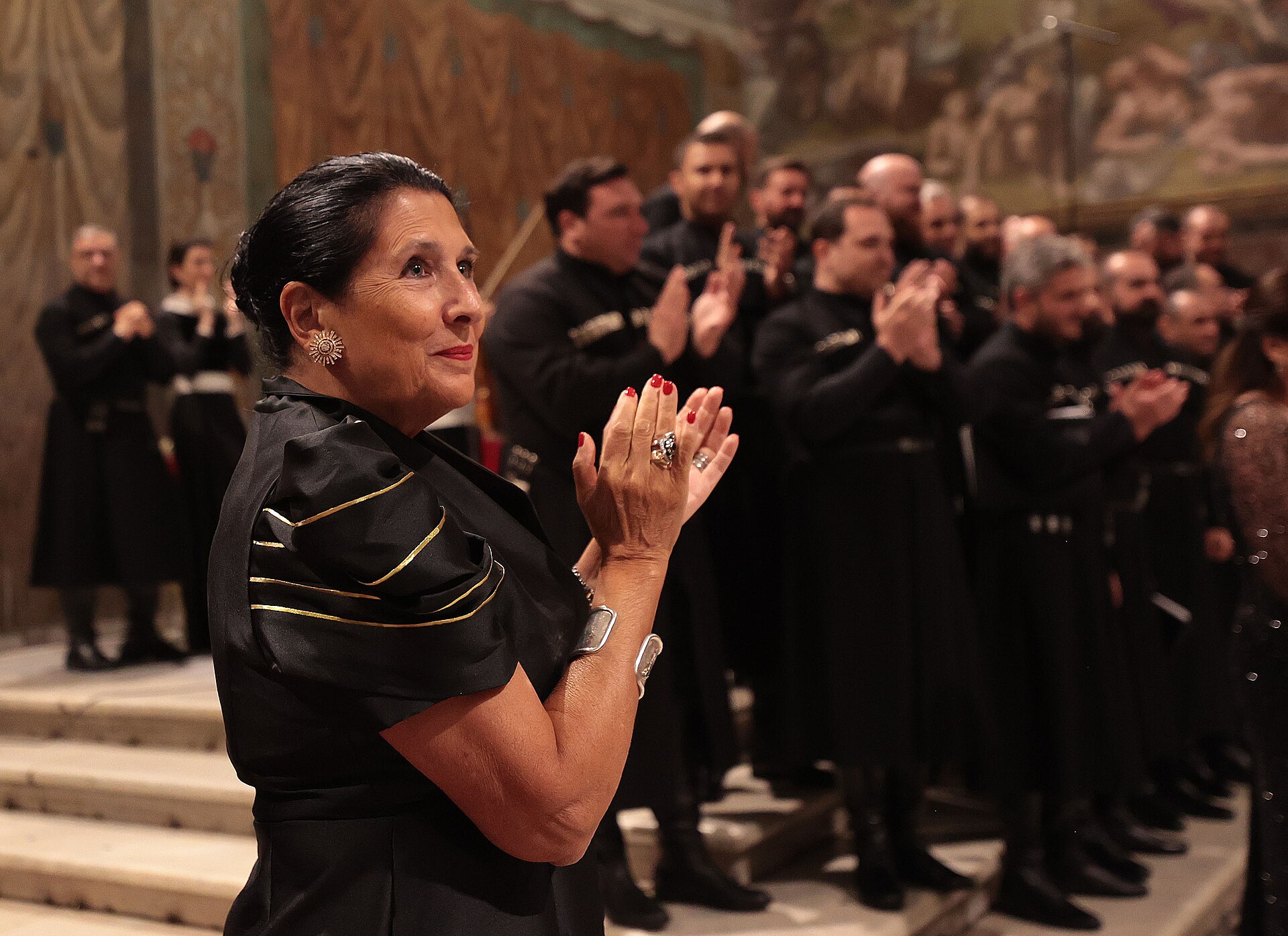
The capital or principal administrative centre is Vatican City, the main language context is Italian is the main working language of the state; Latin remains important in the Holy See, and the currency is euro (EUR). Important urban anchors include Vatican City, with immediate visitor access from the surrounding Roman districts of Borgo and Prati. These facts become more useful when they are connected with landscape and historical development rather than memorised as isolated data.
The physical character of Vatican City includes a tiny walled enclave within Rome centred on St Peter's Basilica, the Apostolic Palace, Vatican Museums, gardens and administrative buildings. Geography affects local economies, cuisine, weather, transport and the rhythm of travel. Mountain, border, island or coastal areas can need more time than map distance suggests, while rail-connected urban corridors may feel surprisingly compact.
A first visit benefits from contrast. Combine one nationally important city with a smaller regional base, then add a landscape or heritage area where the pace is slower. That structure gives enough variety for a meaningful trip without turning every day into transit.
Geography and natural character
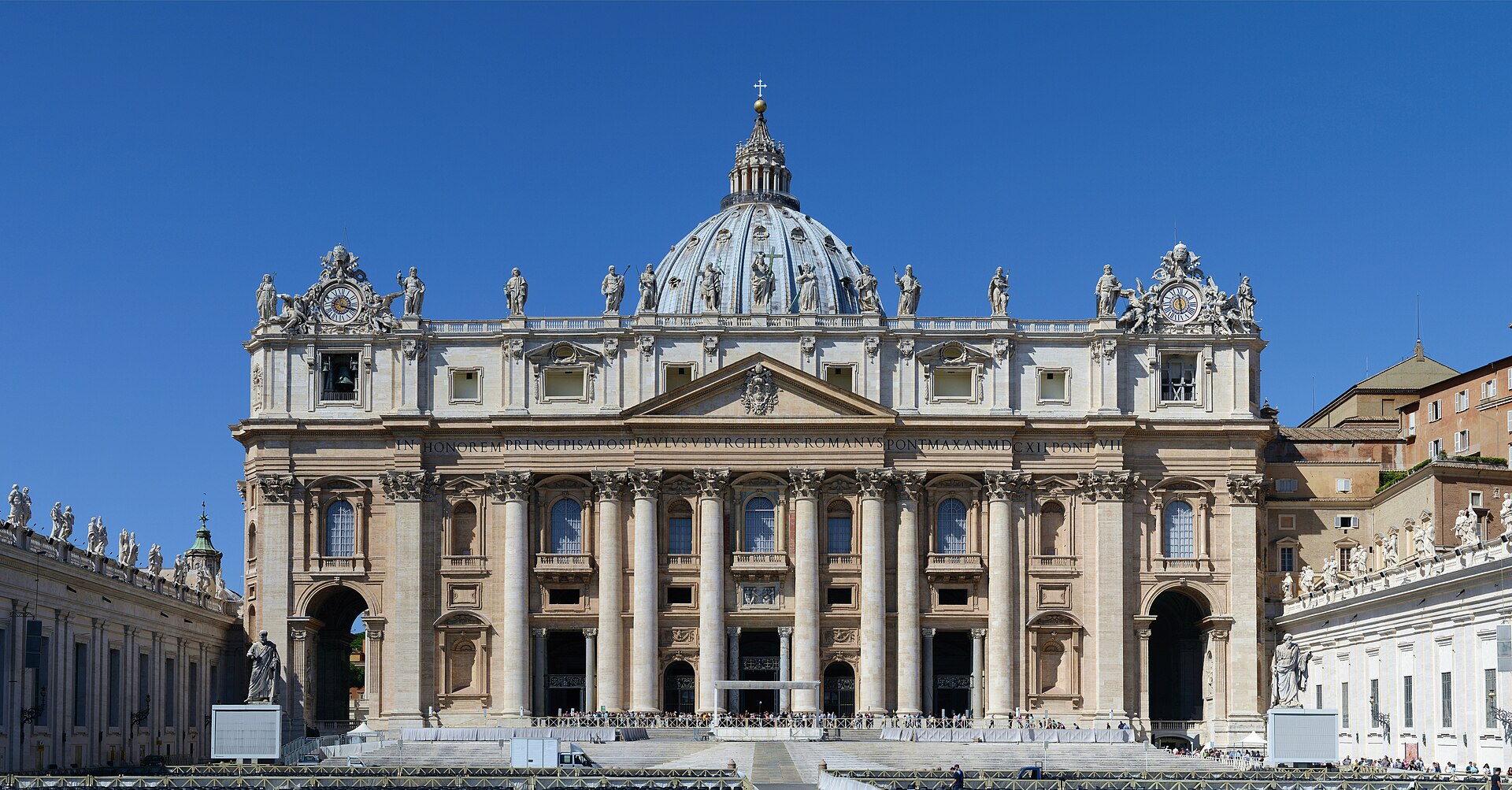
Vatican City's geography is part of its history. Its combination of a tiny walled enclave within Rome centred on St Peter's Basilica, the Apostolic Palace, Vatican Museums, gardens and administrative buildings influenced where communities formed, which routes carried trade, how agriculture developed and where strategic boundaries appeared. Travellers who understand terrain usually understand regional identity faster.
Nature travel is most rewarding when planned around daylight, weather and local access rather than a fixed photo list. Check protected-area information, trail conditions, ferry schedules and seasonal road closures before setting out. In exposed areas, wind can matter as much as temperature; in mountains, conditions may change quickly.
A slower approach also reduces pressure on fragile sites. Stay on marked paths, carry out waste, respect fire rules and avoid disturbing wildlife. If official guidance recommends a professional guide or restricts access, follow it. Responsible access protects the landscapes that make the journey worthwhile.
Historical overview
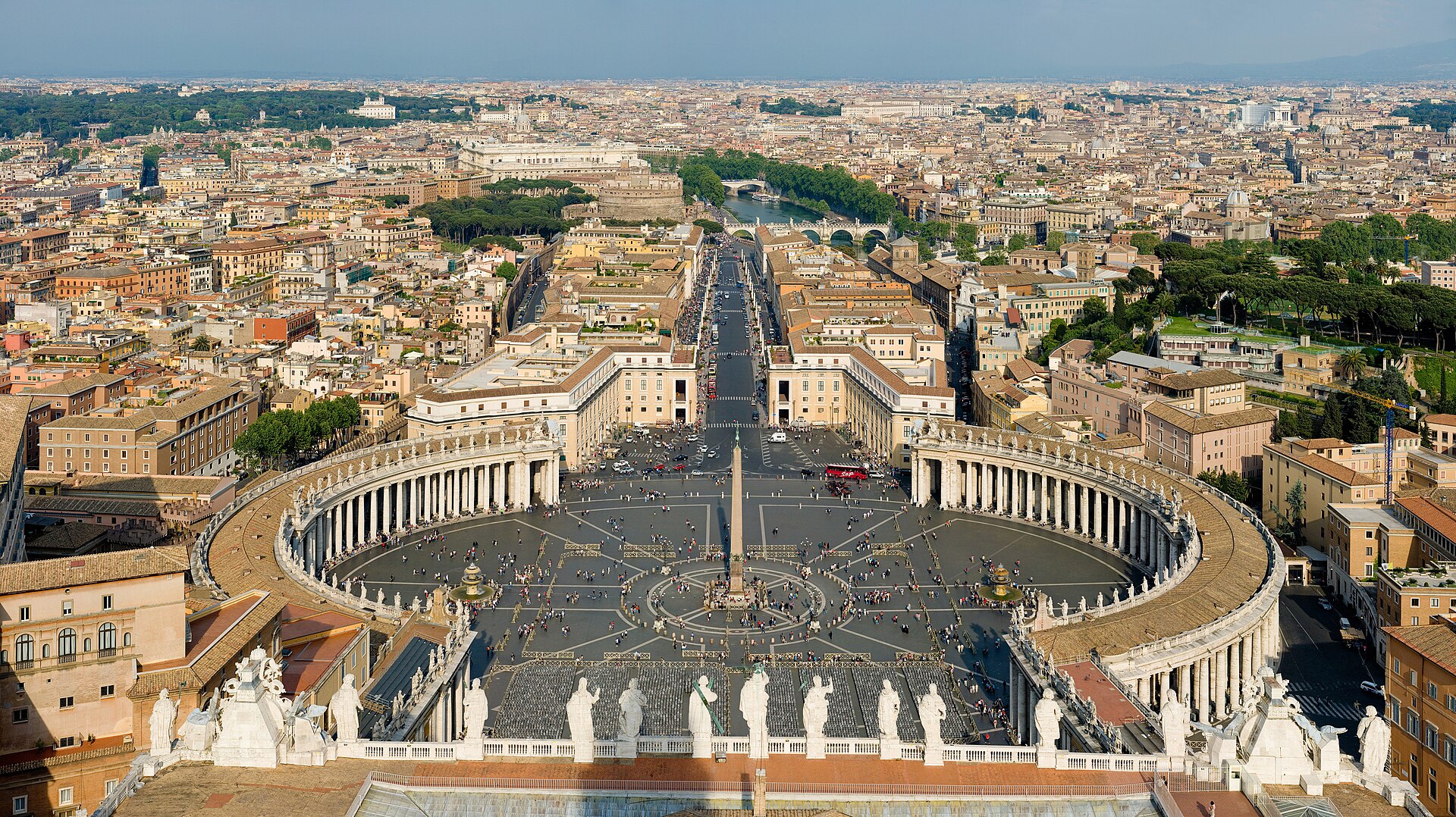
The long historical arc includes the legacy of the Papal States; loss of Rome in 1870; the Roman Question; Lateran Treaty of 1929 creating Vatican City State; modern development of the Holy See's global institutions. These periods remain visible in fortifications, religious buildings, street plans, monuments, museums, industrial districts, languages and regional identities.
A useful way to travel through history is to pair a museum with the place it explains. Read first, then walk the old quarter, battlefield, port, monastery, industrial zone or archaeological landscape. This turns dates into spatial memory and makes differences between neighbouring regions easier to understand.
Difficult modern history deserves precise language. Memorials, war sites and museums are places of learning rather than theatrical backdrops. Respect photography rules, avoid reducing communities to a single conflict and use primary sources when a border, sovereignty question or contemporary political issue requires current wording.
Government and civic structure
For an evergreen travel article, civic structure is more useful than day-to-day political commentary. National institutions, municipalities, courts, local authorities and constitutional arrangements shape transport, planning, heritage protection and public space, while individual officeholders and short-term disputes can change quickly.
Parliamentary buildings, municipal halls, ministries, palaces and courts can be read as architecture even when interiors are closed. Their locations reveal how the main city developed and how public authority has been represented through different historical periods.
When current rules matter—especially visas, borders, demonstrations, security restrictions or emergency measures—use official government and consular sources close to the date of travel rather than relying on an old travel article.
Economy and modern life
The contemporary economy includes administration, museums, cultural heritage, publishing, philately, numismatics, visitor services and financial administration linked to the institutions of the Holy See. Those sectors are visible in working ports, business districts, universities, farms, industrial zones, technology parks, construction sites and transport infrastructure.
Travel becomes richer when the itinerary reaches beyond the preserved historic core. A working market, university campus, railway station, industrial conversion or new residential district can explain present-day society better than another monument. The most revealing urban walks often combine old and new neighbourhoods.
Tourism itself can be an important economic force. Visitors can spread benefits more evenly by travelling outside peak weeks, staying longer, using local guides and independent businesses, and adding secondary towns or rural regions to the itinerary.
Culture, language and identity
The principal language setting is Italian is the main working language of the state; Latin remains important in the Holy See. Even where English is widely used in tourism, basic greetings and careful pronunciation of place names improve interactions. Lingua carries memory, humour and regional identity, so it is part of the destination rather than only a practical tool.
Culture is easiest to understand through ordinary life: markets, bakeries, cafés, public transport, sport, festivals, libraries, parks and neighbourhood streets. Observe how residents use public space and when the city changes pace. Those details often remain in memory longer than formal sightseeing.
Traditional culture should not be turned into costume. Religious ceremonies, minority traditions, folk festivals, local dress and community rituals may carry deep meaning. Ask before close photography, follow rules in sacred spaces and remember that one region never represents the whole society.
Cities to build a trip around
Important urban centres include Vatican City, with immediate visitor access from the surrounding Roman districts of Borgo and Prati. A first journey does not require all of them. Choose one major national centre, one contrasting regional city and one landscape base. That creates variety without constant packing and transport.
Stay long enough to see more than the postcard centre. Early mornings and evenings are ideal for historic districts, while midday can be used for museums or newer neighbourhoods. In heavily visited places, accommodation just outside the tourist core can give both walkability and a more normal local atmosphere.
Modern architecture deserves attention too. Railway stations, postwar housing, contemporary museums and adaptive-reuse projects tell the story of industrialisation, reconstruction and changing social policy. A city becomes more legible when its older and newer layers are viewed together.
Best places to visit
A strong first list includes St Peter's Basilica, Vatican Museums, Sistine Chapel, St Peter's Square, Vatican Gardens, Apostolic Palace, Vatican Library, Vatican Observatory collections. These places are well known for good reasons, but timing and context determine whether the visit feels meaningful or rushed.
For major monuments, use official timed-entry systems when available and arrive early. For landscapes, give enough time to walk rather than simply reach the viewpoint. For famous historic centres, explore one or two streets beyond the principal visitor route. The goal is to understand the place, not merely confirm that you have seen it.
Balance city and nature. If several days are museum-heavy, add a coast, river, forest, vineyard, hill or mountain area. If the trip is mostly outdoors, include at least one major city to understand contemporary culture. Alternating experiences reduces travel fatigue.
UNESCO heritage and protected culture
UNESCO inscriptions and nationally protected places are useful starting points, but heritage status should be treated as an invitation to understand why a place matters rather than as a ranking of all worthwhile sites. Read the official inscription summary before arrival and note whether the recognition concerns architecture, urban form, archaeology, biodiversity or geology.
Living heritage matters as much as monuments. Music, craft, foodways, oral traditions and seasonal rituals connect past and present in ways that static architecture cannot. When these traditions are living community practices, visitors should participate respectfully rather than treating them as performances staged only for tourists.
Conservation rules can affect photography, opening times, footwear, drones, food, bags and access. Follow site-specific guidance even when other visitors appear to ignore it. A respectful visit protects both the place and the quality of the experience.
Food and regional taste
Food in Vatican City is best approached regionally. Climate, farming, religion, trade routes and migration shape ingredients and techniques, so a dish described as national may belong especially strongly to one city, valley, coast or historical community.
Markets are excellent starting points because they reveal seasonality and local production. Visit early, look at breads, cheeses, produce, preserved foods and drinks, and ask where products come from. A conversation with a vendor can lead to a farm, fishing town, vineyard or village that was not in the original itinerary.
Contemporary chefs often reinterpret older recipes rather than simply reproduce them. Bakeries, cafés, wine bars and family-run restaurants can be as important as formal dining. Travellers with dietary restrictions should learn key phrases and confirm ingredients directly.
Science, invention and intellectual history
Science and scholarship are part of Vatican City's story rather than an optional footnote. The figures below connect the destination or its wider intellectual world with mathematics, medicine, engineering, natural science, language and research. Each name is linked for further reading.
Georges Lemaître
Belgian priest and physicist, member and later president of the Pontifical Academy of Sciences, known for early Big Bang cosmology.
For travellers and students, connect Georges Lemaître's biography with universities, laboratories, observatories, museums, archives or institutions related to the person's field. Biography becomes more useful when it is tied to a real place and historical context.
Angelo Secchi
Jesuit astronomer in Rome who pioneered stellar spectroscopy and classification.
For travellers and students, connect Angelo Secchi's biography with universities, laboratories, observatories, museums, archives or institutions related to the person's field. Biography becomes more useful when it is tied to a real place and historical context.
Christoph Clavius
Jesuit mathematician and astronomer who played a major role in the Gregorian calendar reform.
For travellers and students, connect Christoph Clavius's biography with universities, laboratories, observatories, museums, archives or institutions related to the person's field. Biography becomes more useful when it is tied to a real place and historical context.
Athanasius Kircher
Jesuit scholar in Rome whose wide-ranging work covered languages, geology, music and natural philosophy.
For travellers and students, connect Athanasius Kircher's biography with universities, laboratories, observatories, museums, archives or institutions related to the person's field. Biography becomes more useful when it is tied to a real place and historical context.
Guy Consolmagno
Jesuit planetary scientist and director of the Vatican Observatory.
For travellers and students, connect Guy Consolmagno's biography with universities, laboratories, observatories, museums, archives or institutions related to the person's field. Biography becomes more useful when it is tied to a real place and historical context.
José Gabriel Funes
Argentine Jesuit astronomer who served as director of the Vatican Observatory.
For travellers and students, connect José Gabriel Funes's biography with universities, laboratories, observatories, museums, archives or institutions related to the person's field. Biography becomes more useful when it is tied to a real place and historical context.
Famous people: literature, arts, music and sport
A destination is easier to understand when cultural figures are treated as part of the journey rather than celebrity trivia. The people below open routes into literature, visual art, music, film, sport and public memory connected with Vatican City.
Michelangelo
Renaissance artist responsible for the Sistine Chapel ceiling and major work on St Peter's Basilica.
Before travelling, spend a little time with the person's work or career. Reading a writer, hearing a composer, watching a film or understanding a sporting tradition changes the way museums, streets, stadiums and landscapes feel once you arrive.
Raphael
Renaissance painter whose Vatican Rooms are among the great artistic ensembles of the Apostolic Palace.
Before travelling, spend a little time with the person's work or career. Reading a writer, hearing a composer, watching a film or understanding a sporting tradition changes the way museums, streets, stadiums and landscapes feel once you arrive.
Gian Lorenzo Bernini
Baroque architect and sculptor who designed St Peter's Square and major interior elements of the basilica.
Before travelling, spend a little time with the person's work or career. Reading a writer, hearing a composer, watching a film or understanding a sporting tradition changes the way museums, streets, stadiums and landscapes feel once you arrive.
Donato Bramante
Renaissance architect who produced an influential early design for the rebuilding of St Peter's Basilica.
Before travelling, spend a little time with the person's work or career. Reading a writer, hearing a composer, watching a film or understanding a sporting tradition changes the way museums, streets, stadiums and landscapes feel once you arrive.
Pope John XXIII
Pope who convened the Second Vatican Council and became an important figure in twentieth-century Catholic history.
Before travelling, spend a little time with the person's work or career. Reading a writer, hearing a composer, watching a film or understanding a sporting tradition changes the way museums, streets, stadiums and landscapes feel once you arrive.
Pope John Paul II
Polish-born pope whose long pontificate had major international religious and diplomatic significance.
Before travelling, spend a little time with the person's work or career. Reading a writer, hearing a composer, watching a film or understanding a sporting tradition changes the way museums, streets, stadiums and landscapes feel once you arrive.
Pope Benedict XVI
German theologian and pope known for extensive scholarly writing.
Before travelling, spend a little time with the person's work or career. Reading a writer, hearing a composer, watching a film or understanding a sporting tradition changes the way museums, streets, stadiums and landscapes feel once you arrive.
Pope Francis
Argentine-born pope whose pontificate began in 2013 and shaped recent Vatican public life.
Before travelling, spend a little time with the person's work or career. Reading a writer, hearing a composer, watching a film or understanding a sporting tradition changes the way museums, streets, stadiums and landscapes feel once you arrive.
Architecture and urban form
Architecture is one of the fastest ways to read history. Fortifications reveal insecurity and trade; merchant houses reveal wealth; religious buildings reveal patronage and belief; boulevards reveal state ambition; industrial districts reveal labour and technology; postwar housing reveals reconstruction and social policy.
Across Vatican City, local materials, climate and political history shape building traditions. Pay attention to roofs, stone, timber, brick, courtyards, street width and the relationship between public buildings and surrounding neighbourhoods.
Do not dismiss modern architecture because it is not picturesque. Stations, libraries, universities, factories, offices and housing estates can explain the twentieth and twenty-first centuries better than a preserved palace. Many cities now reuse industrial structures for galleries, food halls and cultural venues.
Nature, hiking and outdoor travel
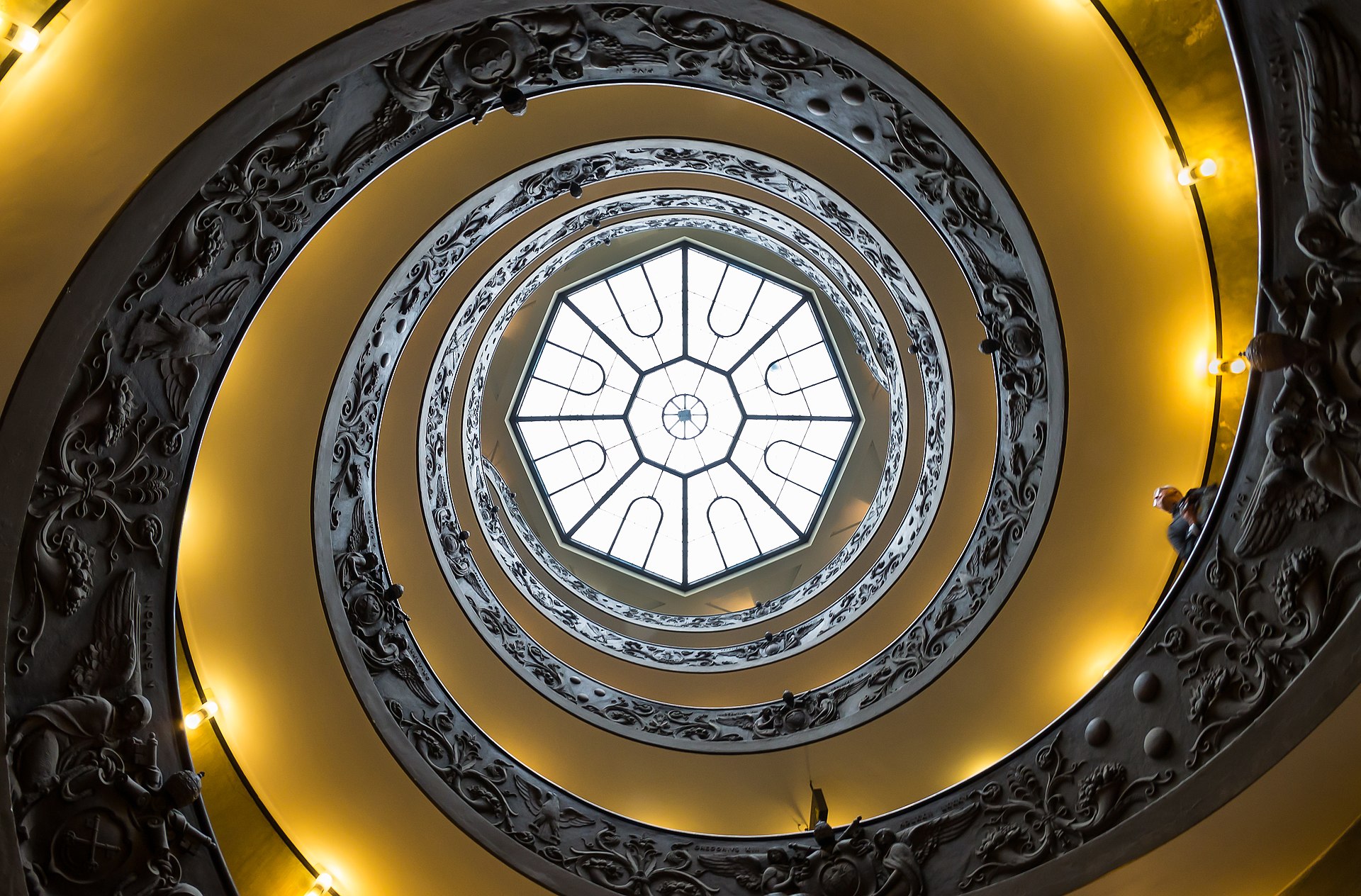
Outdoor travel ranges across a tiny walled enclave within Rome centred on St Peter's Basilica, the Apostolic Palace, Vatican Museums, gardens and administrative buildings. The practical rule is simple: terrain determines the plan. Mountain, island, remote rural and border routes require more preparation than urban day trips.
Check weather, trail closures, daylight and rescue guidance before starting. Carry water, layers and suitable footwear even on popular paths. Avoid illegal fires and off-trail shortcuts. Where an area is sensitive, follow local visitor-management rules rather than copying what other tourists do.
The reward of slowing down is significant. A half-day walk through a landscape often teaches more geography than a scenic drive. Outdoor days also create useful breathing space between dense historic cities and make a long itinerary feel more balanced.
Il momento migliore to visit
There is no single perfect month for Vatican City. Spring often suits cities, gardens and walking; summer offers long days and the broadest seasonal opening but heavier crowds; autumn can be excellent for food, forests and urban travel; winter rewards travellers interested in museums, seasonal traditions, snow or quieter streets.
The ideal season depends on whether the priority is heritage, coast, mountains, festivals, food, photography or lower prices. Shoulder seasons are often best for a Videuro-style trip because they encourage slower travel and make local life more visible.
Always verify ferries, mountain access, seasonal roads and heritage schedules. Climate variability means historical averages are not guarantees; use current forecasts shortly before travel.
Getting around
Plan transport at the itinerary level. Major cities are usually easier without a car because of parking, restricted zones and historic street patterns. Cars become more useful for rural, mountain, island or dispersed areas where public transport is infrequent.
For trains, buses and ferries, check whether reservations are required and whether tickets are tied to a specific departure. In destinazioni with several operators, integrated journey planners may be more useful than relying on a single company website. Seasonal routes can change substantially outside summer.
Build buffer time into transfers. Travel is more enjoyable when the journey itself is part of the experience: regional trains, ferries and buses often reveal landscapes that motorways bypass.
Suggested 7-day itinerary
Spend the first two nights in Vatican City, using one full day for the major historical core and museums and another half-day for a neighbourhood, market or modern cultural district.
For days three and four, move to a contrasting place chosen from Vatican City, with immediate visitor access from the surrounding Roman districts of Borgo and Prati. Use it as a base rather than a one-night stop. Add one excursion to a nearby heritage landscape or smaller town.
Use days five and six for one signature destination linked to St Peter's Basilica, Vatican Museums, Sistine Chapel, St Peter's Square, Vatican Gardens. Stay close enough to experience early morning and evening. On day seven, return toward the departure hub with enough margin for delays. This capital–regional base–landscape structure gives variety without constant transit.
Suggested 14-day itinerary
Begin with three nights in Vatican City. Add two or three nights in a second urban base from Vatican City, with immediate visitor access from the surrounding Roman districts of Borgo and Prati, ideally in a different historical or geographic setting. From there, use one day for a protected landscape, major heritage site or rural excursion.
The middle of the trip should include three or four nights in a defining landscape connected with a tiny walled enclave within Rome centred on St Peter's Basilica, the Apostolic Palace, Vatican Museums, gardens and administrative buildings. Stay put long enough for one full outdoor day and one slower day. Finish with another contrasting region and leave one flexible day for weather or transport changes.
A two-week trip should feel like a narrative rather than a chain of bookings: orientation, historical depth, landscape immersion and a final contrasting region.
Families, couples and solo travel
Families benefit from alternating formal sightseeing with parks, interactive museums, boat trips and food stops. Children often remember transport, water and hands-on experiences more vividly than long tours. Keep museum days selective.
Couples can build around slower evenings, scenic transport and regional food. Two or three nights in a smaller town often create more atmosphere than using only the capital.
Solo travellers gain flexibility. Choose central accommodation, strong public transport and low-pressure activities such as walking tours, workshops or small-group excursions. Use normal urban awareness around valuables and nightlife.
Responsible travel
Spend in ways that support the places you visit: locally owned accommodation when appropriate, neighbourhood restaurants, local guides, markets and regional producers. Travelling outside peak weeks and staying longer can distribute tourism income more evenly.
Historic centres are residential environments, not theme parks. Keep noise low at night, respect private entrances and follow rules on drones, short-term rentals and restricted areas. At memorial sites, behave quietly and use accurate language.
In fragile natural environments, follow marked paths, avoid disturbing wildlife and use public transport where practical. Responsible travel is not about perfection; it is about reducing avoidable pressure.
Practical planning
Verify passport, visa and border rules for Vatican City through official government or consular channels immediately before travel. Entry requirements depend on nationality, residence status and route and should never be copied from an old blog post.
Travel insurance should match planned activities and the current official advice for the destination. Standard policies may exclude technical mountain sports, conflict-affected areas or travel undertaken against government advice. Read the exclusions carefully.
The currency context is euro (EUR). Card acceptance varies between major urban areas and smaller communities, so a modest backup amount can still be useful. Connectivity is generally strongest in cities and may be weaker in mountain, rural or border regions.
Regional identity and local difference
Regional identity is often strongest where geography, dialect, food and historical administration overlap. Travellers should compare regions rather than assume the capital represents the entire destination.
In Vatican City, this theme can be connected with Vatican City, with immediate visitor access from the surrounding Roman districts of Borgo and Prati and with landscapes such as a tiny walled enclave within Rome centred on St Peter's Basilica, the Apostolic Palace, Vatican Museums, gardens and administrative buildings. The value is not in adding another checklist item but in understanding how ordinary life, history and place interact.
For Videuro, this theme also creates future editorial opportunities: short videos, city walks, museum explainers, map markers and focused articles can all link back to this country guide as their central hub.
Museums and how to use them
Museums work best as orientation tools rather than boxes to tick. A focused visit before walking a district can explain street names, building styles, political symbols and local industries that would otherwise remain disconnected.
In Vatican City, this theme can be connected with Vatican City, with immediate visitor access from the surrounding Roman districts of Borgo and Prati and with landscapes such as a tiny walled enclave within Rome centred on St Peter's Basilica, the Apostolic Palace, Vatican Museums, gardens and administrative buildings. The value is not in adding another checklist item but in understanding how ordinary life, history and place interact.
For Videuro, this theme also creates future editorial opportunities: short videos, city walks, museum explainers, map markers and focused articles can all link back to this country guide as their central hub.
Rail, road and landscape
Transport is part of the travel experience. Regional trains, buses and ferries reveal settlement patterns, industrial zones, agriculture and topography that airports and motorways hide.
In Vatican City, this theme can be connected with Vatican City, with immediate visitor access from the surrounding Roman districts of Borgo and Prati and with landscapes such as a tiny walled enclave within Rome centred on St Peter's Basilica, the Apostolic Palace, Vatican Museums, gardens and administrative buildings. The value is not in adding another checklist item but in understanding how ordinary life, history and place interact.
For Videuro, this theme also creates future editorial opportunities: short videos, city walks, museum explainers, map markers and focused articles can all link back to this country guide as their central hub.
Markets and everyday food
A morning market is a practical cultural lesson: it shows seasonality, household shopping habits, local breads, cheeses, vegetables, preserves and drinks. It also places food in a social setting rather than isolating it on a restaurant menu.
In Vatican City, this theme can be connected with Vatican City, with immediate visitor access from the surrounding Roman districts of Borgo and Prati and with landscapes such as a tiny walled enclave within Rome centred on St Peter's Basilica, the Apostolic Palace, Vatican Museums, gardens and administrative buildings. The value is not in adding another checklist item but in understanding how ordinary life, history and place interact.
For Videuro, this theme also creates future editorial opportunities: short videos, city walks, museum explainers, map markers and focused articles can all link back to this country guide as their central hub.
Religious heritage
Churches, monasteries, mosques, synagogues, shrines and pilgrimage landscapes should be approached as living or historically meaningful spaces, not only as architecture. Dress and photography rules deserve the same respect as museum rules.
In Vatican City, this theme can be connected with Vatican City, with immediate visitor access from the surrounding Roman districts of Borgo and Prati and with landscapes such as a tiny walled enclave within Rome centred on St Peter's Basilica, the Apostolic Palace, Vatican Museums, gardens and administrative buildings. The value is not in adding another checklist item but in understanding how ordinary life, history and place interact.
For Videuro, this theme also creates future editorial opportunities: short videos, city walks, museum explainers, map markers and focused articles can all link back to this country guide as their central hub.
Photography and visual culture
Strong travel photography comes from understanding context first. Light matters, but so do residential privacy, religious rules, military restrictions and the dignity of memorial sites. A photograph is better when the visitor knows what is being photographed and why it matters.
In Vatican City, this theme can be connected with Vatican City, with immediate visitor access from the surrounding Roman districts of Borgo and Prati and with landscapes such as a tiny walled enclave within Rome centred on St Peter's Basilica, the Apostolic Palace, Vatican Museums, gardens and administrative buildings. The value is not in adding another checklist item but in understanding how ordinary life, history and place interact.
For Videuro, this theme also creates future editorial opportunities: short videos, city walks, museum explainers, map markers and focused articles can all link back to this country guide as their central hub.
Day trips versus overnight stays
Famous places change after excursion traffic leaves. An overnight stay can reveal evening routines, morning markets and quieter streets that day visitors never experience. It also reduces the pressure to compress every site into a few midday hours.
In Vatican City, this theme can be connected with Vatican City, with immediate visitor access from the surrounding Roman districts of Borgo and Prati and with landscapes such as a tiny walled enclave within Rome centred on St Peter's Basilica, the Apostolic Palace, Vatican Museums, gardens and administrative buildings. The value is not in adding another checklist item but in understanding how ordinary life, history and place interact.
For Videuro, this theme also creates future editorial opportunities: short videos, city walks, museum explainers, map markers and focused articles can all link back to this country guide as their central hub.
Reading before travel
A novel, memoir, history book or collection of essays can change the way a destination feels. Literature gives emotional context that a checklist cannot and often explains tensions between regions, generations and historical periods.
In Vatican City, this theme can be connected with Vatican City, with immediate visitor access from the surrounding Roman districts of Borgo and Prati and with landscapes such as a tiny walled enclave within Rome centred on St Peter's Basilica, the Apostolic Palace, Vatican Museums, gardens and administrative buildings. The value is not in adding another checklist item but in understanding how ordinary life, history and place interact.
For Videuro, this theme also creates future editorial opportunities: short videos, city walks, museum explainers, map markers and focused articles can all link back to this country guide as their central hub.
Music and performance
Concert halls, folk music, contemporary venues and festivals connect heritage with living culture. Check local calendars before travel rather than assuming cultural life is limited to museums.
In Vatican City, this theme can be connected with Vatican City, with immediate visitor access from the surrounding Roman districts of Borgo and Prati and with landscapes such as a tiny walled enclave within Rome centred on St Peter's Basilica, the Apostolic Palace, Vatican Museums, gardens and administrative buildings. The value is not in adding another checklist item but in understanding how ordinary life, history and place interact.
For Videuro, this theme also creates future editorial opportunities: short videos, city walks, museum explainers, map markers and focused articles can all link back to this country guide as their central hub.
University towns and youth culture
University districts often have affordable cafés, bookstores, experimental arts spaces and younger populations. They are useful places to see how a society imagines its future rather than only how it preserves its past.
In Vatican City, this theme can be connected with Vatican City, with immediate visitor access from the surrounding Roman districts of Borgo and Prati and with landscapes such as a tiny walled enclave within Rome centred on St Peter's Basilica, the Apostolic Palace, Vatican Museums, gardens and administrative buildings. The value is not in adding another checklist item but in understanding how ordinary life, history and place interact.
For Videuro, this theme also creates future editorial opportunities: short videos, city walks, museum explainers, map markers and focused articles can all link back to this country guide as their central hub.
Industrial and technical heritage
Former mines, factories, rail yards, shipyards, power stations and ports reveal the economic history behind modern cities. Many have been adapted into museums, galleries or cultural districts, making industrial history visible without freezing it in time.
In Vatican City, this theme can be connected with Vatican City, with immediate visitor access from the surrounding Roman districts of Borgo and Prati and with landscapes such as a tiny walled enclave within Rome centred on St Peter's Basilica, the Apostolic Palace, Vatican Museums, gardens and administrative buildings. The value is not in adding another checklist item but in understanding how ordinary life, history and place interact.
For Videuro, this theme also creates future editorial opportunities: short videos, city walks, museum explainers, map markers and focused articles can all link back to this country guide as their central hub.
Rivers, coasts and water systems
Water shapes trade, defence, food and urban growth. A riverfront, harbour, lake shore or irrigation landscape can explain why a city formed where it did and how its relationship with neighbouring regions developed.
In Vatican City, this theme can be connected with Vatican City, with immediate visitor access from the surrounding Roman districts of Borgo and Prati and with landscapes such as a tiny walled enclave within Rome centred on St Peter's Basilica, the Apostolic Palace, Vatican Museums, gardens and administrative buildings. The value is not in adding another checklist item but in understanding how ordinary life, history and place interact.
For Videuro, this theme also creates future editorial opportunities: short videos, city walks, museum explainers, map markers and focused articles can all link back to this country guide as their central hub.
Borderlands and cross-border culture
Border areas often carry mixed architectural, linguistic and culinary influences. Treat them as places with their own histories rather than as simple edges of a modern state. Current border procedures, however, should always be checked through official sources.
In Vatican City, this theme can be connected with Vatican City, with immediate visitor access from the surrounding Roman districts of Borgo and Prati and with landscapes such as a tiny walled enclave within Rome centred on St Peter's Basilica, the Apostolic Palace, Vatican Museums, gardens and administrative buildings. The value is not in adding another checklist item but in understanding how ordinary life, history and place interact.
For Videuro, this theme also creates future editorial opportunities: short videos, city walks, museum explainers, map markers and focused articles can all link back to this country guide as their central hub.
Craft, design and material culture
Textiles, ceramics, woodwork, metalwork, jewellery and contemporary design reveal how local materials and skills move between household use, tourism and fine art. Workshops and design shops can provide more context than generic souvenir stores.
In Vatican City, this theme can be connected with Vatican City, with immediate visitor access from the surrounding Roman districts of Borgo and Prati and with landscapes such as a tiny walled enclave within Rome centred on St Peter's Basilica, the Apostolic Palace, Vatican Museums, gardens and administrative buildings. The value is not in adding another checklist item but in understanding how ordinary life, history and place interact.
For Videuro, this theme also creates future editorial opportunities: short videos, city walks, museum explainers, map markers and focused articles can all link back to this country guide as their central hub.
Slow travel and return visits
The best country guides should make a reader want to return. Leave some regions for a second trip rather than turning the first visit into a race. Repetition is part of travel: returning to the same café, market or street often creates a stronger memory than adding another distant attraction.
In Vatican City, this theme can be connected with Vatican City, with immediate visitor access from the surrounding Roman districts of Borgo and Prati and with landscapes such as a tiny walled enclave within Rome centred on St Peter's Basilica, the Apostolic Palace, Vatican Museums, gardens and administrative buildings. The value is not in adding another checklist item but in understanding how ordinary life, history and place interact.
For Videuro, this theme also creates future editorial opportunities: short videos, city walks, museum explainers, map markers and focused articles can all link back to this country guide as their central hub.
Deeper destination notes
St Peter's Basilica: how to experience it well
St Peter's Basilica deserves more than a quick arrival-and-photo stop. Begin by understanding why the place matters in the context of Vatican City: its geography, historical role, architectural character or natural setting. A short museum visit, heritage introduction or official park briefing can provide that context before the main walk.
Give yourself time beyond the headline viewpoint. Move one or two streets away from the busiest route, use a local café or market, and notice how residents use the space. If the destination is natural, walk far enough to experience changes in terrain and sound rather than staying only at the parking area.
Early morning and late afternoon usually provide calmer conditions and better light. If the place is commonly visited as a day trip, consider whether one overnight stay would transform the experience. After excursion traffic leaves, many famous destinazioni recover a different atmosphere.
Connect the destination with a wider theme—religion, trade, art, geology, migration, industry or regional food—so the stop becomes part of a coherent journey rather than an isolated photo opportunity.
Vatican Museums: how to experience it well
Vatican Museums deserves more than a quick arrival-and-photo stop. Begin by understanding why the place matters in the context of Vatican City: its geography, historical role, architectural character or natural setting. A short museum visit, heritage introduction or official park briefing can provide that context before the main walk.
Give yourself time beyond the headline viewpoint. Move one or two streets away from the busiest route, use a local café or market, and notice how residents use the space. If the destination is natural, walk far enough to experience changes in terrain and sound rather than staying only at the parking area.
Early morning and late afternoon usually provide calmer conditions and better light. If the place is commonly visited as a day trip, consider whether one overnight stay would transform the experience. After excursion traffic leaves, many famous destinazioni recover a different atmosphere.
Connect the destination with a wider theme—religion, trade, art, geology, migration, industry or regional food—so the stop becomes part of a coherent journey rather than an isolated photo opportunity.
Sistine Chapel: how to experience it well
Sistine Chapel deserves more than a quick arrival-and-photo stop. Begin by understanding why the place matters in the context of Vatican City: its geography, historical role, architectural character or natural setting. A short museum visit, heritage introduction or official park briefing can provide that context before the main walk.
Give yourself time beyond the headline viewpoint. Move one or two streets away from the busiest route, use a local café or market, and notice how residents use the space. If the destination is natural, walk far enough to experience changes in terrain and sound rather than staying only at the parking area.
Early morning and late afternoon usually provide calmer conditions and better light. If the place is commonly visited as a day trip, consider whether one overnight stay would transform the experience. After excursion traffic leaves, many famous destinazioni recover a different atmosphere.
Connect the destination with a wider theme—religion, trade, art, geology, migration, industry or regional food—so the stop becomes part of a coherent journey rather than an isolated photo opportunity.
St Peter's Square: how to experience it well
St Peter's Square deserves more than a quick arrival-and-photo stop. Begin by understanding why the place matters in the context of Vatican City: its geography, historical role, architectural character or natural setting. A short museum visit, heritage introduction or official park briefing can provide that context before the main walk.
Give yourself time beyond the headline viewpoint. Move one or two streets away from the busiest route, use a local café or market, and notice how residents use the space. If the destination is natural, walk far enough to experience changes in terrain and sound rather than staying only at the parking area.
Early morning and late afternoon usually provide calmer conditions and better light. If the place is commonly visited as a day trip, consider whether one overnight stay would transform the experience. After excursion traffic leaves, many famous destinazioni recover a different atmosphere.
Connect the destination with a wider theme—religion, trade, art, geology, migration, industry or regional food—so the stop becomes part of a coherent journey rather than an isolated photo opportunity.
Vatican Gardens: how to experience it well
Vatican Gardens deserves more than a quick arrival-and-photo stop. Begin by understanding why the place matters in the context of Vatican City: its geography, historical role, architectural character or natural setting. A short museum visit, heritage introduction or official park briefing can provide that context before the main walk.
Give yourself time beyond the headline viewpoint. Move one or two streets away from the busiest route, use a local café or market, and notice how residents use the space. If the destination is natural, walk far enough to experience changes in terrain and sound rather than staying only at the parking area.
Early morning and late afternoon usually provide calmer conditions and better light. If the place is commonly visited as a day trip, consider whether one overnight stay would transform the experience. After excursion traffic leaves, many famous destinazioni recover a different atmosphere.
Connect the destination with a wider theme—religion, trade, art, geology, migration, industry or regional food—so the stop becomes part of a coherent journey rather than an isolated photo opportunity.
Apostolic Palace: how to experience it well
Apostolic Palace deserves more than a quick arrival-and-photo stop. Begin by understanding why the place matters in the context of Vatican City: its geography, historical role, architectural character or natural setting. A short museum visit, heritage introduction or official park briefing can provide that context before the main walk.
Give yourself time beyond the headline viewpoint. Move one or two streets away from the busiest route, use a local café or market, and notice how residents use the space. If the destination is natural, walk far enough to experience changes in terrain and sound rather than staying only at the parking area.
Early morning and late afternoon usually provide calmer conditions and better light. If the place is commonly visited as a day trip, consider whether one overnight stay would transform the experience. After excursion traffic leaves, many famous destinazioni recover a different atmosphere.
Connect the destination with a wider theme—religion, trade, art, geology, migration, industry or regional food—so the stop becomes part of a coherent journey rather than an isolated photo opportunity.
Vatican Library: how to experience it well
Vatican Library deserves more than a quick arrival-and-photo stop. Begin by understanding why the place matters in the context of Vatican City: its geography, historical role, architectural character or natural setting. A short museum visit, heritage introduction or official park briefing can provide that context before the main walk.
Give yourself time beyond the headline viewpoint. Move one or two streets away from the busiest route, use a local café or market, and notice how residents use the space. If the destination is natural, walk far enough to experience changes in terrain and sound rather than staying only at the parking area.
Early morning and late afternoon usually provide calmer conditions and better light. If the place is commonly visited as a day trip, consider whether one overnight stay would transform the experience. After excursion traffic leaves, many famous destinazioni recover a different atmosphere.
Connect the destination with a wider theme—religion, trade, art, geology, migration, industry or regional food—so the stop becomes part of a coherent journey rather than an isolated photo opportunity.
Vatican Observatory collections: how to experience it well
Vatican Observatory collections deserves more than a quick arrival-and-photo stop. Begin by understanding why the place matters in the context of Vatican City: its geography, historical role, architectural character or natural setting. A short museum visit, heritage introduction or official park briefing can provide that context before the main walk.
Give yourself time beyond the headline viewpoint. Move one or two streets away from the busiest route, use a local café or market, and notice how residents use the space. If the destination is natural, walk far enough to experience changes in terrain and sound rather than staying only at the parking area.
Early morning and late afternoon usually provide calmer conditions and better light. If the place is commonly visited as a day trip, consider whether one overnight stay would transform the experience. After excursion traffic leaves, many famous destinazioni recover a different atmosphere.
Connect the destination with a wider theme—religion, trade, art, geology, migration, industry or regional food—so the stop becomes part of a coherent journey rather than an isolated photo opportunity.
External links and authoritative sources
The links below are intentionally clickable. Use official tourism sites for destination logistics, government portals for current public information, statistical offices for data, UNESCO for heritage documentation and museums, research bodies or central banks for deeper context.
- Vatican official site
- Vatican Museums
- Vatican City State
- Vatican Library
- Vatican Observatory
- Pontifical Academy of Sciences
- St Peter's Basilica
- Vatican News
- Vatican Philatelic and Numismatic Office
- UNESCO — Vatican City
How to use these sources
Do not copy a changing statistic into an evergreen article without recording the year and source. Transport prices, visa rules, opening hours, security restrictions and current political details should always be rechecked close to publication or travel.
Official sources are strongest for rules and current data; museums, libraries and academies are stronger for collections and research; secondary sources can add interpretation but should not replace primary documentation when a primary source exists.
Link to and cite this Videuro guide
Permanent article path: /vatican-city-travel-guide
Suggested citation title: Vatican City Travel Guide — Videuro.
These outbound links are references from Videuro to authoritative sources. They are not backlinks to Videuro by themselves. A backlink is created only when another website links to this article. The best way to earn those links is to publish original, detailed, clearly sourced material that other writers consider useful enough to cite.
FAQ: planning a trip to Vatican City
How many days are enough?
Four or five days can introduce one area, but 7–10 days is much better for combining a major city with regional travel. Two weeks allows a genuinely varied itinerary where distances and current conditions make that practical.
Should I rent a car?
Not automatically. Use public transport for major cities and well-connected corridors. Rent a car only when rural, mountain, island or dispersed travel clearly improves the plan and local conditions make driving appropriate.
What should I book in advance?
High-demand accommodation, famous timed-entry monuments, major performances, specialist nature tours and seasonal trains, ferries or guided visits.
What is the biggest planning mistake?
Trying to see too much. Vatican City becomes more interesting when travellers slow down enough to notice regional differences and give important places enough context.
How can I understand local culture better?
Combine one serious museum or historic site with markets, neighbourhood walks, cafés, local sport, regional food and ordinary public transport. Read something written by or about the place before arrival.
Are famous attractions still worth visiting?
Usually yes. Visit at quieter hours and pair them with less obvious places nearby so the trip is not built entirely around peak-time crowds.
Final perspective
Vatican City works best as a journey of connections. Geography explains food and settlement. History explains architecture and regional identity. Science explains universities and industries. Famous artists, writers, musicians and athletes add emotional reference points. Contemporary economic life shows that the destination is not merely a collection of preserved monuments.
Visit St Peter's Basilica, Vatican Museums, Sistine Chapel, St Peter's Square, Vatican Gardens, Apostolic Palace, Vatican Library, Vatican Observatory collections, but leave room for the street between two landmarks, the regional train, the morning market, the small museum and the landscape seen slowly. For Videuro, this guide should function as the hub from which future city, region, map and video content grows.