Sweden is best understood as a set of connected stories rather than a checklist. Its geography, cities, food, architecture, institutions, scientific history, famous cultural figures and regional differences all help explain what a visitor sees on the ground. This guide is designed as a long-form country dossier for Videuro: detailed enough to serve search readers, structured enough to support internal linking, and broad enough to become the hub for future city, region and thematic articles.
The capital is Stockholm, the main language context is Swedish, and the currency is Swedish krona (SEK). Across the country, visitors encounter dense forests, thousands of lakes, Baltic and North Sea coasts, large archipelagos, southern plains, mountains and Arctic landscapes. Those physical conditions shaped settlement, trade, agriculture, transport, defensive geography, industry and regional identity. A strong itinerary therefore combines cities with at least one landscape region rather than treating scenery as a short excursion from the urban core.
This article also deliberately includes sections that many travel guides omit: government and civic structure, economic life, science and invention, notable scientists, writers, artists, musicians and sports figures. These subjects make a destination feel like a living society rather than a museum. They also create excellent opportunities for future Videuro internal links, short videos, map markers and themed editorial series.
> Research note: This guide contains dedicated scientist, famous-person and authoritative-source sections. External references are clickable and are intended for verification and further reading.
Sweden i korthet
The country can be approached through Stockholm and central Sweden; Gothenburg and the west coast; Skåne and the south; Småland; Dalarna; Baltic islands; Norrland; Swedish Lapland. These regions are useful for itinerary planning because they often correspond to different landscapes, building traditions, foods, accents and historical experiences. Even when administrative boundaries are invisible to a visitor, the cultural shift between regions can be obvious.
The main urban anchors are Stockholm, Gothenburg, Malmö, Uppsala, Lund, Visby, Umeå and Kiruna. A first visit does not require all of them. Choose one major national centre, one regional city and one landscape base. That creates contrast without turning the trip into continuous packing and transport.
The physical character of Sweden includes dense forests, thousands of lakes, Baltic and North Sea coasts, large archipelagos, southern plains, mountains and Arctic landscapes. Geography is not just background scenery: it affects local economies, cuisine, architecture, weather and the rhythm of travel. Coastal, island and mountain areas often need more time than map distance suggests, while rail-connected urban corridors can feel surprisingly compact.
Geography and natural character
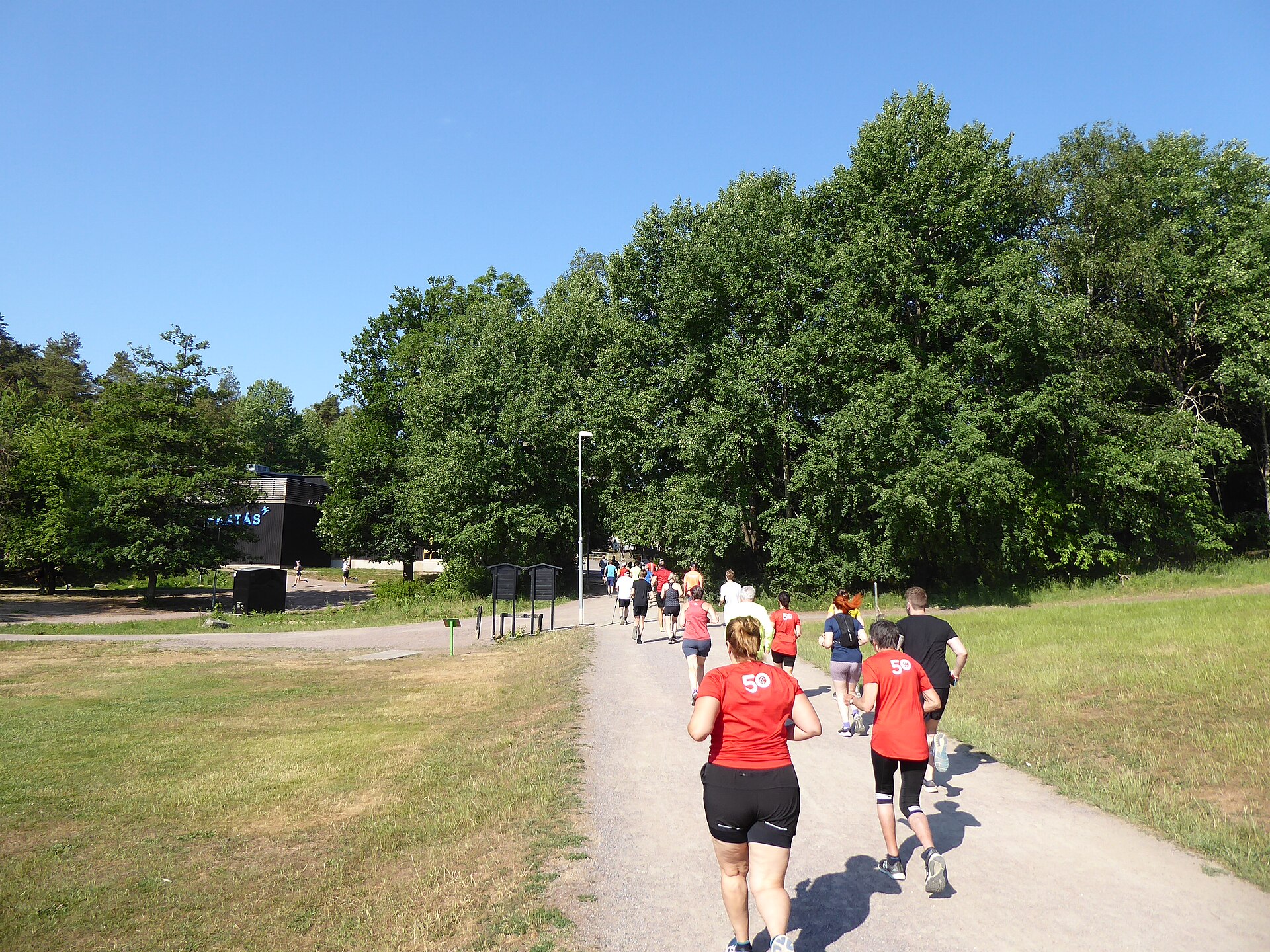
Sweden's landscape should be read as part of its history. Its mix of dense forests, thousands of lakes, Baltic and North Sea coasts, large archipelagos, southern plains, mountains and Arctic landscapes influenced where towns formed, which regions traded with neighbours, what crops and industries developed and where borders became strategically important. Travellers who understand terrain usually understand local culture faster.
Nature travel is most rewarding when planned around daylight, weather and local access rather than a fixed photo list. Check national-park information, trail conditions, ferry schedules and seasonal road closures before setting out. In exposed areas, wind can matter as much as temperature; in mountain and northern regions, conditions can change quickly.
A slower approach also reduces pressure on fragile sites. Stay on marked paths, carry out waste, respect fire rules and avoid disturbing wildlife. If local guidance recommends a professional guide for glaciers, winter terrain, caves or technical routes, follow it. Responsible access protects the very landscapes that make the journey worthwhile.
Historical overview
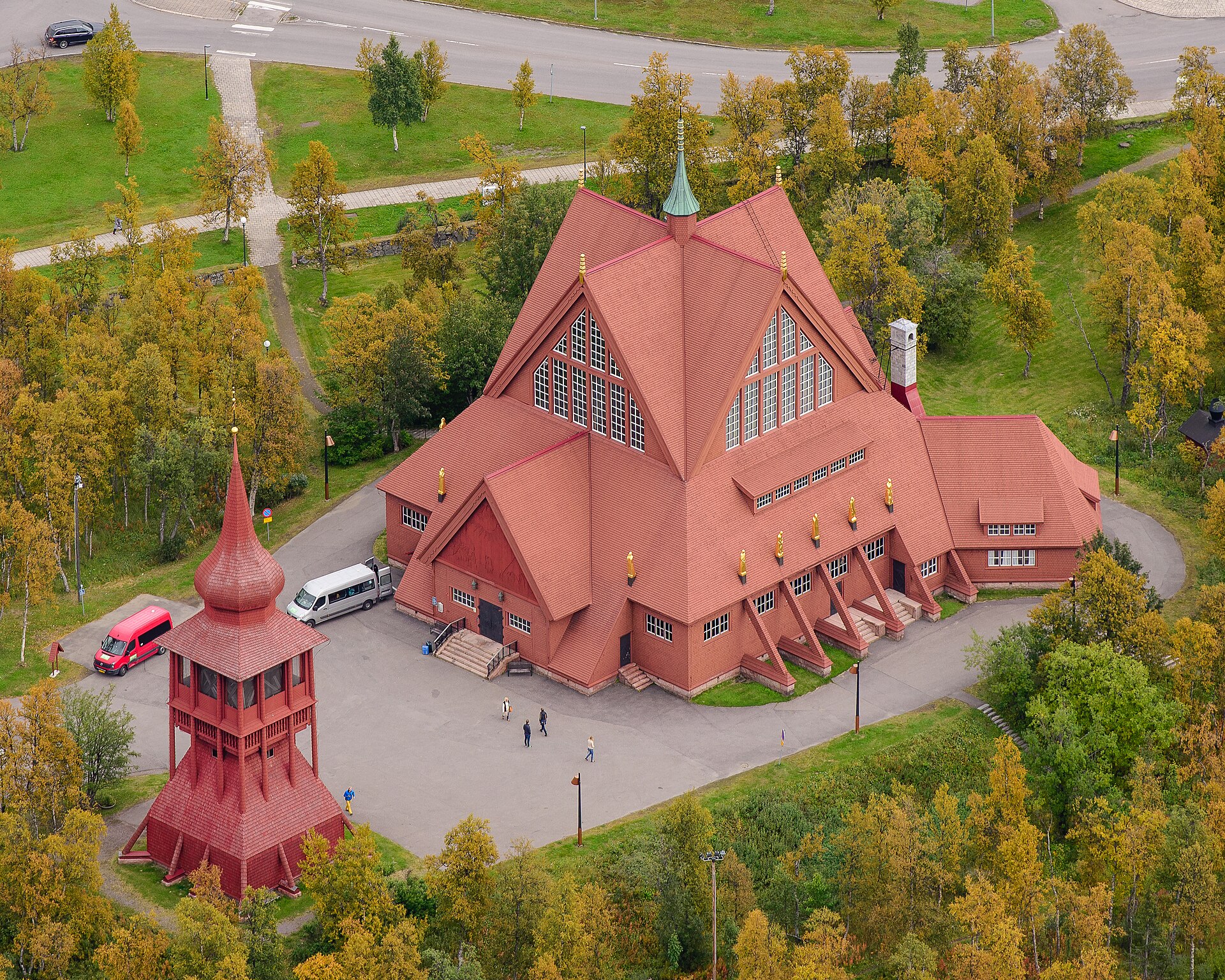
The long historical arc includes Viking-age trade and expansion; medieval kingdom-building; the Kalmar Union; seventeenth-century great-power history; constitutional and parliamentary development; industrialisation; mass emigration; twentieth-century neutrality traditions; welfare-state expansion; and modern engineering, design and technology. These periods remain visible in fortifications, religious buildings, street plans, monuments, museums, industrial districts, memorial sites and regional identities.
A useful way to travel through history is to pair a museum with the place it explains. Read first, then walk the old quarter, battlefield, port, monastery, industrial zone or archaeological landscape. This turns dates into spatial memory. It also helps visitors understand why neighbouring regions can have very different architectural and cultural references.
Difficult twentieth-century history deserves careful treatment. Memorials, former camps, war sites and museums are places of learning, not theatrical backdrops. Use precise language, respect photography rules and avoid reducing communities to a single conflict. The deeper story is usually one of continuity as well as rupture: families, languages and urban life often outlast political systems.
Government and civic structure
Sweden is a parliamentary democracy and constitutional monarchy. The Riksdag exercises legislative authority, the government implements parliamentary decisions and proposes legislation, and the monarch has no political power under the modern constitutional settlement.
This section is intentionally structural rather than partisan. Governments and officeholders change; constitutions, parliaments, courts and regional institutions provide the more durable framework for an evergreen travel article. Where current political details matter, readers should use official government and parliamentary sources.
Civic institutions can be visited physically. Parliamentary buildings, municipal halls, courts, royal or presidential sites and ministries often occupy historically important urban districts. Even when interiors are closed, these buildings help explain how the capital developed and how state power is represented architecturally.
Economy and modern life
The contemporary economy includes advanced manufacturing, automotive and heavy engineering, telecommunications, pharmaceuticals, forestry, mining, music and creative industries, finance, gaming and technology startups. These sectors shape the neighbourhoods visitors see: ports, university districts, industrial heritage, technology corridors, business centres and transport infrastructure all reveal the modern country.
Travel becomes richer when the itinerary reaches beyond the preserved historic core. A working harbour, former factory converted into a cultural space, university campus, market hall or new transit line can explain more about present-day society than another monument. The best urban walks therefore combine old and new districts.
Tourism itself can be a major economic force. Visitors can spread benefits more evenly by travelling outside peak weeks, staying longer, using locally owned businesses and including secondary cities or rural regions. This reduces pressure on the most famous centres while creating more varied experiences.
Culture, language and identity
The principal language setting is Swedish. Even where English is widely used in tourism, basic greetings and correct pronunciation of place names improve interactions. Språk carries humour, memory and regional identity, so it should be treated as part of the destination rather than a practical inconvenience.
Culture is easiest to understand through ordinary life: markets, bakeries, cafés, public transport, sport, festivals, libraries, parks and neighbourhood streets. Observe how people use public space and when the city changes pace. These small details often remain in memory longer than formal sightseeing.
Visitors should avoid turning traditional culture into costume. Religious ceremonies, folk festivals, regional dress and minority traditions can carry deep community meaning. Ask before close photography, follow rules in sacred spaces and remember that one region never represents the entire country.
Cities to build a trip around

Important urban centres include Stockholm, Gothenburg, Malmö, Uppsala, Lund, Visby, Umeå and Kiruna. Each serves a different travel function: national museums and institutions, regional food, architecture, nightlife, university culture or access to surrounding landscapes.
Stay long enough to see more than the postcard centre. Early mornings and evenings are ideal for old towns, while midday can be used for museums or newer districts. In heavily visited cities, accommodation just outside the tourist core often gives both walkability and a more normal local atmosphere.
Modern architecture deserves attention too. Railway stations, postwar housing, contemporary museums and adaptive-reuse projects tell the story of industrialisation, reconstruction and changing social policy. A city is most interesting when its medieval, nineteenth-century, modern and contemporary layers are read together.
Best places to visit
A strong first list includes Stockholm and its archipelago, Gothenburg, Malmö, Gotland, Dalarna, Abisko, Swedish Lapland, High Coast, Uppsala, Lund, west-coast islands. These places are well known for good reasons, but timing and context determine whether the visit feels meaningful or rushed.
For major monuments, use official timed-entry systems when available and arrive early. For landscapes, give enough time to walk rather than simply reach the viewpoint. For famous old towns, explore one or two streets beyond the principal visitor route. The goal is to understand the place, not only confirm that you have seen it.
Balance city and nature. If several days are museum-heavy, add a coast, lake, vineyard, forest or mountain area. If the trip is mostly outdoors, include at least one major city to understand contemporary culture. Alternating these experiences prevents travel fatigue.
UNESCO heritage
Major UNESCO-connected heritage includes Drottningholm; Birka and Hovgården; Engelsberg Ironworks; Rock Carvings in Tanum; Skogskyrkogården; Visby; Laponian Area; High Coast/Kvarken Archipelago. UNESCO status identifies places of exceptional cultural or natural value, but it should be treated as an invitation to learn rather than a ranking of all worthwhile sites.
Before arrival, read the official inscription summary. A site may be recognised for urban form, industrial history, artistic achievement, biodiversity or geology. Knowing the reason changes how you look at it. It also helps visitors respect boundaries, conservation rules and local management.
Living heritage matters as much as monuments. Music, craft, foodways, oral traditions and seasonal rituals may be protected through intangible-heritage programmes. These forms of culture connect past and present in ways that static architecture cannot.
Food and regional taste
The food story includes meatballs, gravlax, herring, cinnamon buns, crispbread, cloudberries, seafood, game, fika culture and contemporary Nordic cooking. The most important principle is regionality. A dish described as “national” may belong especially strongly to one area, while another region uses different ingredients and techniques.
Markets are excellent starting points because they reveal seasonality and local production. Visit early, look at breads, cheeses, produce and preserved foods, and ask where products come from. A conversation with a vendor can lead to a farm, vineyard, fishing town or village that was not in the original itinerary.
Contemporary chefs often reinterpret older recipes rather than simply reproduce them. Bakeries, cafés, wine bars and family-run restaurants can be as important as formal dining. Travellers with dietary restrictions should learn key phrases and confirm ingredients directly.
Science, invention and intellectual history
Science is part of Sweden’s national story, not an optional footnote. The figures below connect the country to major developments in mathematics, physics, chemistry, medicine, engineering and the study of nature. Each name is linked to further reading so readers can move directly from the Videuro overview to a deeper external source.
Carl Linnaeus
naturalist whose binomial system of biological classification profoundly influenced taxonomy; Uppsala retains major sites connected to his life and work.
For travellers and students, the useful next step is to connect biography with place: universities, laboratories, observatories, museums, memorial houses or archives associated with Carl Linnaeus can turn scientific history into a real itinerary. Where historical borders or identities were different from today, the context should be explained rather than simplified.
Anders Celsius
astronomer associated with the Celsius temperature scale and with observations of the aurora and Earth’s shape.
For travellers and students, the useful next step is to connect biography with place: universities, laboratories, observatories, museums, memorial houses or archives associated with Anders Celsius can turn scientific history into a real itinerary. Where historical borders or identities were different from today, the context should be explained rather than simplified.
Alfred Nobel
chemist, engineer and inventor whose fortune established the Nobel Prizes, creating one of Sweden’s most visible global institutions.
For travellers and students, the useful next step is to connect biography with place: universities, laboratories, observatories, museums, memorial houses or archives associated with Alfred Nobel can turn scientific history into a real itinerary. Where historical borders or identities were different from today, the context should be explained rather than simplified.
Svante Arrhenius
physical chemist and Nobel laureate known for work on electrolytic dissociation and early quantitative discussion of atmospheric carbon dioxide and temperature.
For travellers and students, the useful next step is to connect biography with place: universities, laboratories, observatories, museums, memorial houses or archives associated with Svante Arrhenius can turn scientific history into a real itinerary. Where historical borders or identities were different from today, the context should be explained rather than simplified.
Jöns Jacob Berzelius
chemist who helped develop modern chemical notation and atomic-weight measurement.
For travellers and students, the useful next step is to connect biography with place: universities, laboratories, observatories, museums, memorial houses or archives associated with Jöns Jacob Berzelius can turn scientific history into a real itinerary. Where historical borders or identities were different from today, the context should be explained rather than simplified.
Hannes Alfvén
physicist and Nobel laureate known for foundational work in magnetohydrodynamics and plasma physics.
For travellers and students, the useful next step is to connect biography with place: universities, laboratories, observatories, museums, memorial houses or archives associated with Hannes Alfvén can turn scientific history into a real itinerary. Where historical borders or identities were different from today, the context should be explained rather than simplified.
Science museums, universities and research culture in Sweden
A science-focused visit adds depth to a conventional itinerary. University cities often preserve botanical gardens, observatories, anatomical collections, technical museums and archives. National museums may also explain industrialisation, transport, energy, medicine and computing. Check university and museum websites before travel because specialist collections can have limited opening hours.
For families, these places provide an excellent counterbalance to palaces and churches. For writers and researchers, they also offer more authoritative context than unsourced travel summaries. The academic and museum links in the external-resources section below are good starting points.
Famous people: literature, arts, music and sport
A country is easier to understand when its cultural figures are treated as part of the journey rather than as celebrity trivia. The people below open routes into literature, visual art, music, film, sport and public memory. Each name is clickable for further reading.
Astrid Lindgren
author of *Pippi Longstocking* and one of the most widely translated Swedish writers.
Before travelling, spend a little time with the person’s work or career. Reading a writer, hearing a composer, watching a film or understanding a sporting tradition changes the way museums, streets, stadiums and landscapes feel once you arrive.
Ingmar Bergman
film and theatre director whose work had enormous influence on world cinema.
Before travelling, spend a little time with the person’s work or career. Reading a writer, hearing a composer, watching a film or understanding a sporting tradition changes the way museums, streets, stadiums and landscapes feel once you arrive.
Greta Garbo
Stockholm-born film star and one of classic Hollywood’s most recognisable actors.
Before travelling, spend a little time with the person’s work or career. Reading a writer, hearing a composer, watching a film or understanding a sporting tradition changes the way museums, streets, stadiums and landscapes feel once you arrive.
ABBA
pop group whose songwriting and recordings became globally influential and remain a major part of Sweden’s music identity.
Before travelling, spend a little time with the person’s work or career. Reading a writer, hearing a composer, watching a film or understanding a sporting tradition changes the way museums, streets, stadiums and landscapes feel once you arrive.
Avicii
DJ and producer whose work helped shape global electronic dance music.
Before travelling, spend a little time with the person’s work or career. Reading a writer, hearing a composer, watching a film or understanding a sporting tradition changes the way museums, streets, stadiums and landscapes feel once you arrive.
Zlatan Ibrahimović
footballer and one of Sweden’s most internationally recognised athletes.
Before travelling, spend a little time with the person’s work or career. Reading a writer, hearing a composer, watching a film or understanding a sporting tradition changes the way museums, streets, stadiums and landscapes feel once you arrive.
Stieg Larsson
author of the *Millennium* crime novels, which brought Swedish crime fiction to a huge global audience.
Before travelling, spend a little time with the person’s work or career. Reading a writer, hearing a composer, watching a film or understanding a sporting tradition changes the way museums, streets, stadiums and landscapes feel once you arrive.
Sarah Sjöström
Olympic swimming champion and one of Sweden’s most successful modern athletes.
Before travelling, spend a little time with the person’s work or career. Reading a writer, hearing a composer, watching a film or understanding a sporting tradition changes the way museums, streets, stadiums and landscapes feel once you arrive.
Turning biography into a travel route
Biographical museums vary in quality, so the strongest connection is sometimes a concert hall, literary walk, archive exhibition, stadium, birthplace, university or neighbourhood rather than a dedicated museum. Link people to places and historical context instead of listing names without explanation. That approach makes the article more useful to travellers and more valuable to students, teachers and publishers looking for a reliable overview of Sweden.
Architecture and urban form
Architecture is one of the fastest ways to read history. Fortifications reveal insecurity and trade; merchant houses reveal wealth; religious buildings reveal patronage and belief; nineteenth-century boulevards reveal state ambition; industrial districts reveal labour and technology; postwar housing reveals reconstruction and social policy.
Across Sweden, local materials and climate shape building traditions. Coastal regions, mountain zones, river towns and agricultural plains often use different forms and materials. Pay attention to roofs, stone, timber, brick, courtyards and street width.
Do not dismiss modern architecture because it is not picturesque. Stations, libraries, university buildings, factories and housing estates can explain the twentieth century better than a preserved palace. Many cities now reuse industrial structures for galleries, food halls and cultural venues, creating a visible conversation between old and new.
Nature, hiking and outdoor travel
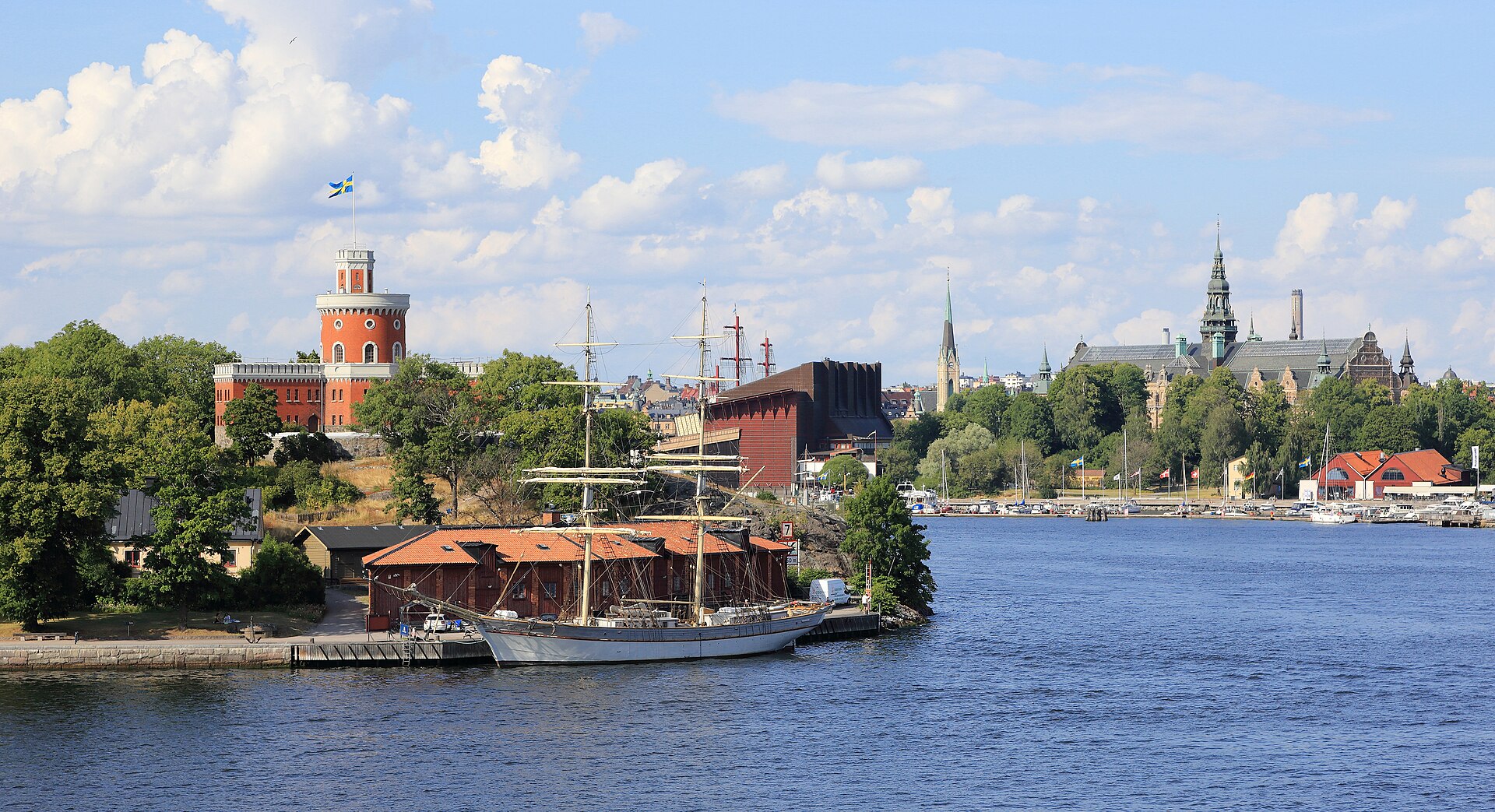
Outdoor travel ranges across dense forests, thousands of lakes, Baltic and North Sea coasts, large archipelagos, southern plains, mountains and Arctic landscapes. The practical rule is simple: terrain determines the plan. Mountain, island and remote rural routes require more preparation than urban day trips.
Check weather, trail closures, daylight and rescue guidance before starting. Carry water, layers and suitable footwear even on popular paths. Avoid illegal fires and off-trail shortcuts. Where an area is sensitive, follow local visitor-management rules rather than copying what other tourists do.
The reward of slowing down is significant. A half-day walk through a landscape often teaches more geography than a scenic drive. Outdoor days also create useful breathing space between dense historic cities and make a long itinerary feel more balanced.
Bästa tiden to visit
There is no single perfect month. Spring often suits cities, gardens and walking; summer offers long days and the broadest seasonal opening but heavier crowds; autumn can be excellent for food, forests and urban travel; winter rewards travellers interested in museums, seasonal traditions, snow or quieter streets.
The ideal season in Sweden depends on whether the priority is heritage, coast, mountains, festivals, food, photography or lower prices. Shoulder seasons are often best for a Videuro-style trip because they encourage slower travel and make local life more visible.
Always verify ferry, mountain and heritage schedules. Climate variability means historical averages are not guarantees. Use current forecasts and official safety information shortly before travel.
Getting around
Plan transport at the itinerary level. Major cities are usually easier without a car because of parking, restricted zones and historic street patterns. Cars become more useful for rural, mountain, island or dispersed coastal areas where public transport is infrequent.
For trains and buses, check whether seat reservations are required and whether tickets are tied to a specific departure. In countries with several operators, integrated journey planners are more useful than relying on a single company website. Seasonal routes can change dramatically outside summer.
Build buffer time into transfers. European travel is more enjoyable when the journey itself is part of the experience: regional trains, ferries and buses often reveal landscapes that motorways bypass.
Suggested 7-day itinerary
Spend the first two nights in Stockholm, using one full day for the major historical core and national museums and another half-day for a neighbourhood, market or modern cultural district.
For days three and four, move to a contrasting city chosen from Stockholm, Gothenburg, Malmö, Uppsala, Lund, Visby, Umeå and Kiruna. Use it as a base rather than a one-night stop. Add one excursion to a nearby heritage landscape or smaller town.
Use days five and six for one signature landscape linked to Stockholm and its archipelago, Gothenburg, Malmö, Gotland, Dalarna. Stay close enough to experience early morning and evening. On day seven, return toward the departure hub with enough margin for delays. This capital–regional city–landscape structure gives variety without constant transit.
Suggested 14-day itinerary
Begin with three nights in Stockholm. Add two or three nights in a second urban base from Stockholm, Gothenburg, Malmö, Uppsala, Lund, Visby, Umeå and Kiruna, ideally in a different historical or geographic region. From there, use one day for a UNESCO site or rural excursion.
The middle of the trip should include three or four nights in the country's defining landscape: dense forests, thousands of lakes, Baltic and North Sea coasts, large archipelagos, southern plains, mountains and Arctic landscapes. Stay put long enough for one full outdoor day and one slower day. Finish with another region and leave one flexible day for weather or transport changes.
A two-week trip should feel like a narrative rather than a chain of bookings: orientation, historical depth, landscape immersion and a final contrasting region.
Families, couples and solo travel
Families benefit from alternating formal sightseeing with parks, interactive museums, boat trips and food stops. Children often remember ferries, trams and funiculars more vividly than long tours. Keep museum days selective.
Couples can build around slower evenings, scenic transport and regional food. Two or three nights in a smaller town often create more atmosphere than using only the capital.
Solo travellers gain flexibility. Choose central accommodation, strong public transport and low-pressure activities such as walking tours, workshops or small-group excursions. Normal urban awareness around valuables and nightlife is sufficient in most tourist settings.
Responsible travel
Spend in ways that support the places you visit: locally owned accommodation when appropriate, neighbourhood restaurants, local guides, markets and regional producers. Travelling outside peak weeks and staying longer can distribute tourism income more evenly.
Historic centres are residential environments, not theme parks. Keep noise low at night, respect private entrances and follow rules on drones, short-term rentals and restricted areas. At memorial sites, behave quietly and use accurate language.
In fragile natural environments, follow marked paths, avoid disturbing wildlife and use public transport where practical. Responsible travel is not about perfection; it is about reducing avoidable pressure.
Practical planning
Verify passport and visa rules through official government or consular channels immediately before travel. Entry requirements depend on nationality and residence status and should never be copied from an old blog post.
Travel insurance should match planned activities. Standard policies may exclude technical mountain sports, winter backcountry travel or specific rental-car situations. Read the exclusions.
The currency is Swedish krona (SEK). Cashless payment is common in many European settings, but a small backup amount remains useful for markets, rural transport or small businesses. Connectivity is generally strong in cities, though remote regions may have weaker mobile coverage.
Deeper destination notes
Stockholm and its archipelago: how to experience it well
Stockholm and its archipelago deserves more than a quick arrival-and-photo stop. Begin by understanding why the place matters in the context of Sweden: its geography, historical role, architectural character or natural setting. A short museum visit, heritage introduction or official park briefing can provide that context before the main walk.
Give yourself time beyond the headline viewpoint. Move one or two streets away from the busiest route, use a local café or market, and notice how residents use the space. If the destination is natural, walk far enough to experience changes in terrain and sound rather than staying only at the parking area.
Early morning and late afternoon usually provide calmer conditions and better light. If the place is commonly visited as a day trip, consider whether one overnight stay would transform the experience. After excursion traffic leaves, many famous resmål recover a completely different atmosphere.
For Videuro, this location can later become its own map marker, short video, local story or dedicated article, linked back to this country guide as the central hub.
Gothenburg: how to experience it well
Gothenburg deserves more than a quick arrival-and-photo stop. Begin by understanding why the place matters in the context of Sweden: its geography, historical role, architectural character or natural setting. A short museum visit, heritage introduction or official park briefing can provide that context before the main walk.
Give yourself time beyond the headline viewpoint. Move one or two streets away from the busiest route, use a local café or market, and notice how residents use the space. If the destination is natural, walk far enough to experience changes in terrain and sound rather than staying only at the parking area.
Early morning and late afternoon usually provide calmer conditions and better light. If the place is commonly visited as a day trip, consider whether one overnight stay would transform the experience. After excursion traffic leaves, many famous resmål recover a completely different atmosphere.
For Videuro, this location can later become its own map marker, short video, local story or dedicated article, linked back to this country guide as the central hub.
Malmö: how to experience it well
Malmö deserves more than a quick arrival-and-photo stop. Begin by understanding why the place matters in the context of Sweden: its geography, historical role, architectural character or natural setting. A short museum visit, heritage introduction or official park briefing can provide that context before the main walk.
Give yourself time beyond the headline viewpoint. Move one or two streets away from the busiest route, use a local café or market, and notice how residents use the space. If the destination is natural, walk far enough to experience changes in terrain and sound rather than staying only at the parking area.
Early morning and late afternoon usually provide calmer conditions and better light. If the place is commonly visited as a day trip, consider whether one overnight stay would transform the experience. After excursion traffic leaves, many famous resmål recover a completely different atmosphere.
For Videuro, this location can later become its own map marker, short video, local story or dedicated article, linked back to this country guide as the central hub.
Gotland: how to experience it well
Gotland deserves more than a quick arrival-and-photo stop. Begin by understanding why the place matters in the context of Sweden: its geography, historical role, architectural character or natural setting. A short museum visit, heritage introduction or official park briefing can provide that context before the main walk.
Give yourself time beyond the headline viewpoint. Move one or two streets away from the busiest route, use a local café or market, and notice how residents use the space. If the destination is natural, walk far enough to experience changes in terrain and sound rather than staying only at the parking area.
Early morning and late afternoon usually provide calmer conditions and better light. If the place is commonly visited as a day trip, consider whether one overnight stay would transform the experience. After excursion traffic leaves, many famous resmål recover a completely different atmosphere.
For Videuro, this location can later become its own map marker, short video, local story or dedicated article, linked back to this country guide as the central hub.
Dalarna: how to experience it well
Dalarna deserves more than a quick arrival-and-photo stop. Begin by understanding why the place matters in the context of Sweden: its geography, historical role, architectural character or natural setting. A short museum visit, heritage introduction or official park briefing can provide that context before the main walk.
Give yourself time beyond the headline viewpoint. Move one or two streets away from the busiest route, use a local café or market, and notice how residents use the space. If the destination is natural, walk far enough to experience changes in terrain and sound rather than staying only at the parking area.
Early morning and late afternoon usually provide calmer conditions and better light. If the place is commonly visited as a day trip, consider whether one overnight stay would transform the experience. After excursion traffic leaves, many famous resmål recover a completely different atmosphere.
For Videuro, this location can later become its own map marker, short video, local story or dedicated article, linked back to this country guide as the central hub.
Abisko: how to experience it well
Abisko deserves more than a quick arrival-and-photo stop. Begin by understanding why the place matters in the context of Sweden: its geography, historical role, architectural character or natural setting. A short museum visit, heritage introduction or official park briefing can provide that context before the main walk.
Give yourself time beyond the headline viewpoint. Move one or two streets away from the busiest route, use a local café or market, and notice how residents use the space. If the destination is natural, walk far enough to experience changes in terrain and sound rather than staying only at the parking area.
Early morning and late afternoon usually provide calmer conditions and better light. If the place is commonly visited as a day trip, consider whether one overnight stay would transform the experience. After excursion traffic leaves, many famous resmål recover a completely different atmosphere.
For Videuro, this location can later become its own map marker, short video, local story or dedicated article, linked back to this country guide as the central hub.
Swedish Lapland: how to experience it well
Swedish Lapland deserves more than a quick arrival-and-photo stop. Begin by understanding why the place matters in the context of Sweden: its geography, historical role, architectural character or natural setting. A short museum visit, heritage introduction or official park briefing can provide that context before the main walk.
Give yourself time beyond the headline viewpoint. Move one or two streets away from the busiest route, use a local café or market, and notice how residents use the space. If the destination is natural, walk far enough to experience changes in terrain and sound rather than staying only at the parking area.
Early morning and late afternoon usually provide calmer conditions and better light. If the place is commonly visited as a day trip, consider whether one overnight stay would transform the experience. After excursion traffic leaves, many famous resmål recover a completely different atmosphere.
For Videuro, this location can later become its own map marker, short video, local story or dedicated article, linked back to this country guide as the central hub.
High Coast: how to experience it well
High Coast deserves more than a quick arrival-and-photo stop. Begin by understanding why the place matters in the context of Sweden: its geography, historical role, architectural character or natural setting. A short museum visit, heritage introduction or official park briefing can provide that context before the main walk.
Give yourself time beyond the headline viewpoint. Move one or two streets away from the busiest route, use a local café or market, and notice how residents use the space. If the destination is natural, walk far enough to experience changes in terrain and sound rather than staying only at the parking area.
Early morning and late afternoon usually provide calmer conditions and better light. If the place is commonly visited as a day trip, consider whether one overnight stay would transform the experience. After excursion traffic leaves, many famous resmål recover a completely different atmosphere.
For Videuro, this location can later become its own map marker, short video, local story or dedicated article, linked back to this country guide as the central hub.
Uppsala: how to experience it well
Uppsala deserves more than a quick arrival-and-photo stop. Begin by understanding why the place matters in the context of Sweden: its geography, historical role, architectural character or natural setting. A short museum visit, heritage introduction or official park briefing can provide that context before the main walk.
Give yourself time beyond the headline viewpoint. Move one or two streets away from the busiest route, use a local café or market, and notice how residents use the space. If the destination is natural, walk far enough to experience changes in terrain and sound rather than staying only at the parking area.
Early morning and late afternoon usually provide calmer conditions and better light. If the place is commonly visited as a day trip, consider whether one overnight stay would transform the experience. After excursion traffic leaves, many famous resmål recover a completely different atmosphere.
For Videuro, this location can later become its own map marker, short video, local story or dedicated article, linked back to this country guide as the central hub.
Lund: how to experience it well
Lund deserves more than a quick arrival-and-photo stop. Begin by understanding why the place matters in the context of Sweden: its geography, historical role, architectural character or natural setting. A short museum visit, heritage introduction or official park briefing can provide that context before the main walk.
Give yourself time beyond the headline viewpoint. Move one or two streets away from the busiest route, use a local café or market, and notice how residents use the space. If the destination is natural, walk far enough to experience changes in terrain and sound rather than staying only at the parking area.
Early morning and late afternoon usually provide calmer conditions and better light. If the place is commonly visited as a day trip, consider whether one overnight stay would transform the experience. After excursion traffic leaves, many famous resmål recover a completely different atmosphere.
For Videuro, this location can later become its own map marker, short video, local story or dedicated article, linked back to this country guide as the central hub.
west-coast islands: how to experience it well
west-coast islands deserves more than a quick arrival-and-photo stop. Begin by understanding why the place matters in the context of Sweden: its geography, historical role, architectural character or natural setting. A short museum visit, heritage introduction or official park briefing can provide that context before the main walk.
Give yourself time beyond the headline viewpoint. Move one or two streets away from the busiest route, use a local café or market, and notice how residents use the space. If the destination is natural, walk far enough to experience changes in terrain and sound rather than staying only at the parking area.
Early morning and late afternoon usually provide calmer conditions and better light. If the place is commonly visited as a day trip, consider whether one overnight stay would transform the experience. After excursion traffic leaves, many famous resmål recover a completely different atmosphere.
For Videuro, this location can later become its own map marker, short video, local story or dedicated article, linked back to this country guide as the central hub.
External links and authoritative sources
The links below are intentionally clickable. Use them to verify current travel information, government facts, statistics, heritage status, museums and academic material. Official or primary sources are preferred for time-sensitive information.
- Visit Sweden
- Government of Sweden
- Statistics Sweden
- Swedish Environmental Protection Agency
- UNESCO – Sweden
- UNESCO World Heritage Centre – Sweden
- Nationalmuseum Sweden
- Uppsala University
- Nobel Prize
How to use these sources
Use official tourism sites for destination logistics and regional inspiration; government portals for current public information; statistical offices for population, tourism and economic data; UNESCO for heritage documentation; and museums, academies and universities for deeper historical or scientific research.
Do not copy a changing statistic into an evergreen article without recording the year and source. Transport prices, visa rules, opening hours and officeholders should always be rechecked close to publication or travel.
Link to and cite this Videuro guide
Permanent article URL: https://videuro.com/sweden-travel-guide
Suggested citation title: Sweden Travel Guide — Videuro.
These outbound links are references from Videuro to authoritative sources. They are not backlinks to Videuro by themselves. A backlink is created only when another website links to this article. The best way to earn those links is to publish original, detailed, clearly sourced material that journalists, bloggers, students and other publishers consider useful enough to cite.
Editorial source policy
For factual claims about heritage, statistics, institutions and science, prefer the linked primary or official source. Secondary sources can add interpretation, but they should not replace primary documentation when a primary source exists. This keeps the article useful for readers and makes it easier for other websites to reference with confidence.
FAQ: planning a trip to Sweden
How many days are enough?
Four or five days can introduce one region, but 7–10 days is much better for combining a major city with regional travel. Two weeks allows a genuinely varied itinerary.
Should I rent a car?
Not automatically. Use public transport for major cities and rail-connected corridors. Rent a car only when rural, mountain or coastal flexibility clearly improves the plan.
What should I book in advance?
High-demand accommodation, famous timed-entry monuments, major performances, specialist nature tours and seasonal ferries or trains.
What is the biggest planning mistake?
Trying to see too much. Sweden becomes more interesting when travellers slow down enough to notice regional differences.
How can I understand local culture better?
Combine one serious museum or historic site with markets, neighbourhood walks, cafés, local sport, regional food and ordinary public transport.
Are the famous attractions still worth visiting?
Usually yes. Visit at quieter hours and pair them with less obvious places nearby so the trip is not built entirely around peak-time crowds.
Final perspective
Sweden works best as a journey of connections. Geography explains food and settlement. History explains architecture and regional identity. Science explains universities and industries. Famous artists, writers, musicians and athletes add emotional reference points. Contemporary economic life shows that the country is not merely a collection of preserved monuments.
Visit Stockholm and its archipelago, Gothenburg, Malmö, Gotland, Dalarna, Abisko, Swedish Lapland, High Coast, but leave room for the street between two landmarks, the regional train, the morning market, the small museum and the landscape seen slowly. For Videuro, this guide should function as the hub from which future city, region, map and video content grows.