Slovenia rewards travellers who look beyond a checklist. The country can be read through its landscapes, cities, food, architecture, scientific traditions and regional identities. The physical setting includes a compact meeting point of the Alps, Dinaric karst, Pannonian plain and Mediterranean world, with forests, caves, short Adriatic coastline, alpine lakes and fast-changing landscapes. Those conditions influenced where people settled, which routes became important, how local economies developed and why neighbouring regions can feel surprisingly different.
This long-form Videuro guide is designed to work both as travel planning and as a cultural introduction. It connects practical decisions—where to base yourself, how to move, what to book and how much time to allow—with the historical and social context that makes those choices meaningful. Rather than treating famous attractions as isolated photo stops, it places them inside the wider story of Slovenia: Roman and medieval Центральна Європаan heritage; centuries under Habsburg rule; South Slav state formation after the First World War; Yugoslav period; independence in 1991; transition to democracy and market economy; EU, euro and Schengen integration.
The guide also includes science, invention, literature, music, sport and authoritative external sources. Those sections matter because a country is not only scenery. Universities, laboratories, studios, stadiums, ports, markets and ordinary neighbourhoods reveal how people have worked, created and adapted over time. Use the article as a hub, then connect it with the destination page at /slovenia and future Videuro city and regional stories.
Slovenia коротко
The European Union country profile lists the capital as Ljubljana, the 2025 population as 2,130,850, geographical size as 20,273 km², the political system as a parliamentary democratic republic, and the currency as euro (€).
Slovenian is the official language, with constitutionally recognised Italian and Hungarian language use in designated areas. Administratively, the country is organised around 212 municipalities and no administrative regions in the EU country profile. In European terms, EU member since 2004, euro-area member since 2007 and part of Schengen. These facts are more than trivia: language policy affects signs and museums; administrative boundaries often line up with regional identity; and currency, border arrangements and transport integration shape practical travel.
A useful first trip should combine the capital, at least one regional city and one landscape area. The main urban anchors are Ljubljana, Maribor, Koper, Celje, Kranj, Ptuj, Piran and Nova Gorica. The strongest first-time напрямки include Ljubljana; Lake Bled; Triglav National Park and Bohinj; Piran; Škocjan Caves; Postojna Cave; Soča Valley; Maribor and wine country; Ptuj; Velika Planina. Trying to cover all of them in a week usually creates a trip dominated by luggage and transit, so choose contrasts rather than quantity.
Geography and natural character
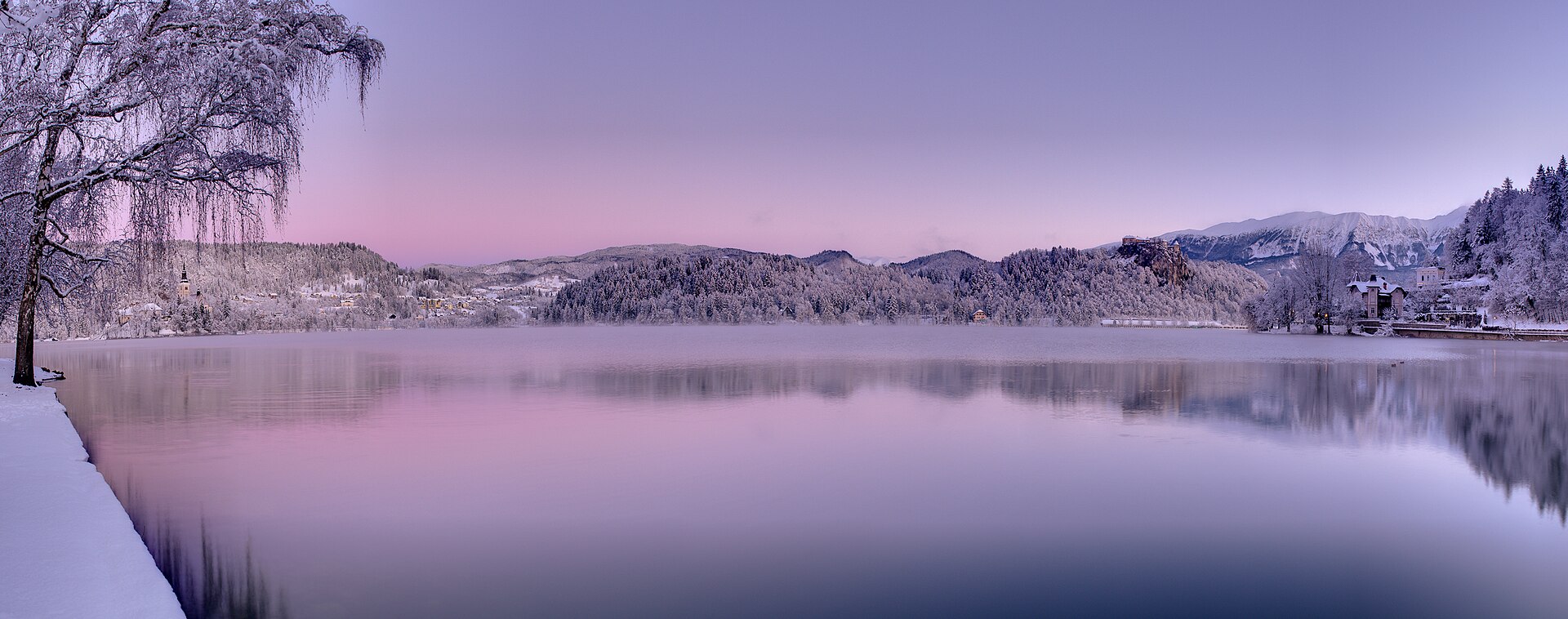
Slovenia's physical character is defined by a compact meeting point of the Alps, Dinaric karst, Pannonian plain and Mediterranean world, with forests, caves, short Adriatic coastline, alpine lakes and fast-changing landscapes. Geography explains far more than the view from a train window. Rivers and coasts shaped trade; mountain passes determined strategic routes; fertile plains supported dense settlement; forests supplied fuel and building materials; islands and remote valleys protected distinctive local traditions.
The climate is best described as a varied climate shaped by alpine, continental and Mediterranean influences, creating large local differences over short distances. Travellers should plan by region and elevation instead of assuming one national weather pattern. A coastal weekend, an inland city break and a mountain hike can require different clothing during the same week. Daylight also matters at northern latitudes and in winter, while Mediterranean напрямки may be shaped more by midday heat than by rain.
Nature travel ranges across Julian Alps, Soča River, karst caves, forests, wetlands, alpine lakes, Mediterranean coast and compact hiking and cycling landscapes. Give landscapes enough time. A national park reached at noon and left two hours later rarely communicates much about place; an early start, a longer walk and one night nearby often changes the experience completely. Check current trail conditions, fire rules, ferry schedules and protected-area guidance before departure.
Historical overview
A useful historical outline includes Roman and medieval Центральна Європаan heritage; centuries under Habsburg rule; South Slav state formation after the First World War; Yugoslav period; independence in 1991; transition to democracy and market economy; EU, euro and Schengen integration. The sequence matters because modern borders and national identities are relatively recent compared with the much older movement of empires, trading networks, religions and languages across the region.
Travellers can read these historical layers in the built environment. Fortifications show periods of insecurity and border control. Merchant houses and warehouses reveal commercial networks. Religious buildings record patronage, demographic change and competing traditions. Railway stations, factories and workers' districts explain industrialisation, while postwar housing and civic buildings reveal twentieth-century reconstruction and social policy.
The strongest way to experience history is to pair museums with streets and landscapes. Read about a period before walking the district it shaped. At memorials, former prisons, battle sites and places connected with mass violence, use precise language and follow local guidance. History is not decorative background, and respectful travel avoids turning difficult memory into spectacle.
Government and civic structure
The European Union country profile cited in the opening section provides the current institutional framework used for this summary.
For travel purposes, the useful point is institutional geography rather than personalities. Slovenia is organised around 212 municipalities and no administrative regions in the EU country profile. Local and regional bodies influence transport, land use, heritage protection, cultural institutions and public space. That helps explain why services, signage, tourism policy and cultural priorities can vary between regions.
This guide deliberately avoids naming current officeholders because those details change faster than an evergreen country article. Readers who need current laws, election results or government leadership should use official institutional sources and check the date of the information.
Economy and modern life
The contemporary economy includes advanced manufacturing, pharmaceuticals, automotive components, electrical equipment, logistics, tourism, information technology, food production and high-value export industries. These sectors are visible to visitors even when they never enter an office or factory. Ports explain warehouses and migrant districts; industrial regions explain rail yards, technical museums and company towns; university centres create younger neighbourhoods; tourism reshapes housing, retail and seasonal employment.
Do not limit a city to its preserved centre. Modern stations, campuses, business districts, markets, adaptive-reuse projects and residential areas show how the country functions now. In Slovenia, cities such as Ljubljana, Maribor, Koper, Celje, Kranj, Ptuj, Piran and Nova Gorica play different economic roles, so a multi-city journey can reveal more about contemporary society than a route built only around monuments.
Tourism is itself an economic force. Travelling outside peak periods, staying longer, using local businesses and adding secondary напрямки can distribute spending more widely. It also produces a better trip: fewer queues, more ordinary street life and more time to understand regional differences.
Culture, language and identity
Slovenian is the official language, with constitutionally recognised Italian and Hungarian language use in designated areas. Мова is not only practical; it carries humour, memory, regional identity and assumptions about place. Learning greetings and pronouncing city names carefully is a small gesture that often improves interactions.
Culture is easiest to understand through ordinary routines: bakeries in the morning, markets, public transport, sports grounds, parks, libraries and evening streets. Formal museums provide context, but everyday life shows how inherited traditions are adapted by younger generations, migration, technology and global popular culture.
Regional identity can be especially strong where geography once limited movement or where borders changed repeatedly. Avoid presenting one folk costume, dish or dialect as representative of the whole country. A good guide leaves room for local variation and for identities that do not fit a simple national stereotype.
Cities to build a trip around
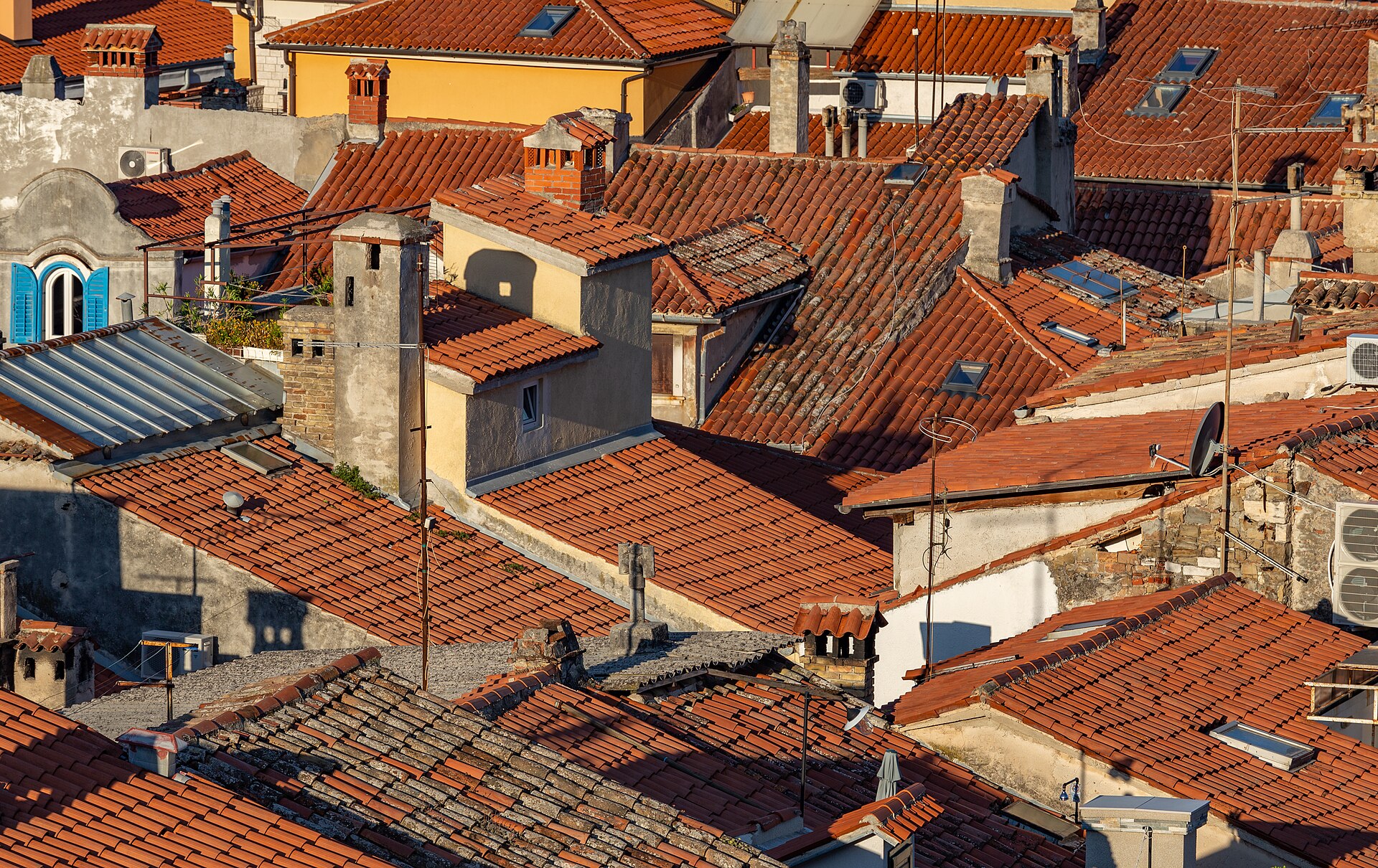
The main urban anchors are Ljubljana, Maribor, Koper, Celje, Kranj, Ptuj, Piran and Nova Gorica. Choose cities for contrast. The capital usually concentrates national museums, institutions and transport, while regional centres may reveal distinctive architecture, food, industrial history, language patterns or access to landscapes.
Stay at least two nights in a major regional city whenever possible. One-night stops create the illusion of seeing more while reducing every place to a station, hotel and central square. A second morning makes room for neighbourhoods, markets and museums that are often more memorable than the headline attraction.
Urban travel also works best by layers. Start with the historic core, then add one nineteenth- or twentieth-century district, one contemporary cultural space and one ordinary residential or market area. That sequence turns a city into a story rather than a collection of façades.
Best places to visit
A strong first list includes Ljubljana; Lake Bled; Triglav National Park and Bohinj; Piran; Škocjan Caves; Postojna Cave; Soča Valley; Maribor and wine country; Ptuj; Velika Planina. These напрямки work because together they show different sides of Slovenia: national institutions, regional cities, heritage, landscape and everyday culture.
For famous sites, arrive early or late and read the official background before visiting. For landscapes, budget time to walk rather than simply reach a viewpoint. For old towns, move a few streets beyond the principal visitor route. The best memories are often created in the transition between attractions: a local train, a small café, a waterfront path or a market that was not on the original list.
Do not treat a list as a ranking. The right combination depends on season, transport and personal interests. A first-time cultural trip, a family holiday and an outdoor journey should not have identical itineraries.
UNESCO heritage
Major UNESCO-connected heritage includes Škocjan Caves; prehistoric pile dwellings around the Alps; heritage of mercury at Idrija; primeval beech forests; works of Jože Plečnik in Ljubljana. UNESCO status identifies cultural or natural value but does not mean every listed site should automatically dominate an itinerary.
Before visiting, read why a site was inscribed. A property may be recognised for urban form, archaeology, industrial history, biodiversity, architecture or a transnational scientific project. Understanding the reason changes what you notice on the ground and makes conservation rules easier to respect.
Living traditions matter too. Music, craft, foodways, festivals and oral culture may be protected through intangible-heritage programmes. These practices connect history to present-day communities and should be approached as living culture, not staged decoration.
Food and regional taste
The food story includes potica, štruklji, jota, Kranjska klobasa, Alpine dairy products, Adriatic seafood, pumpkin-seed oil, regional wines and modern farm-to-table cooking. The most useful rule is regionality: a dish called 'national' may have especially strong roots in one province, island or valley, while another region uses different ingredients and techniques.
Markets are good starting points because they reveal seasonality. Look at breads, cheeses, preserved foods, fish, fruit and vegetables, then ask where products come from. Local markets often point toward villages, farms or coastal areas that make excellent additions to an itinerary.
Contemporary chefs increasingly reinterpret older recipes rather than simply reproduce them. Include bakeries, casual lunch spots and neighbourhood cafés as well as formal restaurants. Travellers with allergies or dietary restrictions should learn key phrases and confirm ingredients directly.
Science, invention and intellectual history
Science is part of Slovenia's story rather than an optional footnote. The profiles below connect the country to mathematics, medicine, engineering, computing, natural science and other fields. Each name links to further reading so the article can function as a starting point rather than an endpoint.
Jozef Stefan
Physicist and mathematician born in the Slovene lands whose work in thermodynamics led to the Stefan-Boltzmann law.
For travellers, the useful next step is to connect Jozef Stefan with place: universities, laboratories, observatories, technical museums, memorial houses or archives can turn scientific history into a real itinerary. Where borders or national identities were different in the person's lifetime, the context should be explained rather than simplified.
Fritz Pregl
Slovene-Австріяn chemist and Nobel laureate known for developing microanalysis of organic compounds.
For travellers, the useful next step is to connect Fritz Pregl with place: universities, laboratories, observatories, technical museums, memorial houses or archives can turn scientific history into a real itinerary. Where borders or national identities were different in the person's lifetime, the context should be explained rather than simplified.
Herman Potocnik Noordung
Rocket engineer and spaceflight theorist whose writings anticipated aspects of orbital stations and human spaceflight.
For travellers, the useful next step is to connect Herman Potocnik Noordung with place: universities, laboratories, observatories, technical museums, memorial houses or archives can turn scientific history into a real itinerary. Where borders or national identities were different in the person's lifetime, the context should be explained rather than simplified.
Jurij Vega
Slovene mathematician and artillery officer known for influential logarithm tables and mathematical work.
For travellers, the useful next step is to connect Jurij Vega with place: universities, laboratories, observatories, technical museums, memorial houses or archives can turn scientific history into a real itinerary. Where borders or national identities were different in the person's lifetime, the context should be explained rather than simplified.
Anton Jansa
Pioneer of modern beekeeping whose methods influenced apiculture education in the Habsburg lands.
For travellers, the useful next step is to connect Anton Jansa with place: universities, laboratories, observatories, technical museums, memorial houses or archives can turn scientific history into a real itinerary. Where borders or national identities were different in the person's lifetime, the context should be explained rather than simplified.
Peter Florjancic
Slovenian inventor credited with numerous practical product and design innovations.
For travellers, the useful next step is to connect Peter Florjancic with place: universities, laboratories, observatories, technical museums, memorial houses or archives can turn scientific history into a real itinerary. Where borders or national identities were different in the person's lifetime, the context should be explained rather than simplified.
A science-focused day in Slovenia can balance a heritage-heavy itinerary. University museums, botanical gardens, industrial collections and observatories often receive fewer visitors than headline attractions while offering stronger explanations of how the country modernised.
Famous people: literature, arts, music and sport
A country is easier to understand when cultural figures are treated as part of the journey rather than celebrity trivia. The people below open routes into literature, visual art, music, film and sport. Their biographies can lead to museums, concert halls, stadiums, neighbourhoods, archives and landscapes.
Luka Doncic
Ljubljana-born basketball star with major careers in European and NBA basketball.
Before travelling, spend a little time with Luka Doncic's work or career. Reading a writer, hearing a composer, watching a film or understanding a sporting tradition changes the way museums, streets and public spaces feel once you arrive.
Tadej Pogacar
Professional cyclist and multiple Grand Tour winner.
Before travelling, spend a little time with Tadej Pogacar's work or career. Reading a writer, hearing a composer, watching a film or understanding a sporting tradition changes the way museums, streets and public spaces feel once you arrive.
Primoz Roglic
Former ski jumper turned elite road cyclist and Grand Tour champion.
Before travelling, spend a little time with Primoz Roglic's work or career. Reading a writer, hearing a composer, watching a film or understanding a sporting tradition changes the way museums, streets and public spaces feel once you arrive.
Jan Oblak
Goalkeeper who became one of Slovenia's most prominent footballers.
Before travelling, spend a little time with Jan Oblak's work or career. Reading a writer, hearing a composer, watching a film or understanding a sporting tradition changes the way museums, streets and public spaces feel once you arrive.
Anze Kopitar
Ice hockey player and NHL captain who became a major figure in Slovenian sport.
Before travelling, spend a little time with Anze Kopitar's work or career. Reading a writer, hearing a composer, watching a film or understanding a sporting tradition changes the way museums, streets and public spaces feel once you arrive.
Slavoj Zizek
Ljubljana-born philosopher and cultural critic with an international academic and public profile.
Before travelling, spend a little time with Slavoj Zizek's work or career. Reading a writer, hearing a composer, watching a film or understanding a sporting tradition changes the way museums, streets and public spaces feel once you arrive.
Drago Jancar
Novelist, essayist and playwright widely translated from Slovenian.
Before travelling, spend a little time with Drago Jancar's work or career. Reading a writer, hearing a composer, watching a film or understanding a sporting tradition changes the way museums, streets and public spaces feel once you arrive.
Peter Prevc
Ski jumper and one of Slovenia's most successful winter-sport athletes.
Before travelling, spend a little time with Peter Prevc's work or career. Reading a writer, hearing a composer, watching a film or understanding a sporting tradition changes the way museums, streets and public spaces feel once you arrive.
Biographical museums vary in quality, so the strongest connection is sometimes a concert hall, archive, stadium, birthplace, university or neighbourhood rather than a dedicated museum. Link people to places and periods instead of listing names without explanation.
Architecture and urban form
Architecture is one of the fastest ways to read Slovenia's history. Defensive walls and hilltop castles reveal insecurity and border control; merchant districts reveal trade; religious buildings reveal patronage and community change; nineteenth-century boulevards reveal state ambition; factories reveal industrialisation; postwar housing reveals reconstruction and social policy.
Pay attention to building materials and climate. Stone, brick, timber, plaster, roof pitch, courtyards and street width often respond to local conditions. A regional city may explain these patterns more clearly than a capital where several architectural eras overlap.
Do not dismiss modern architecture because it is not picturesque. Stations, libraries, university buildings, concert halls and reused factories can explain the last century better than another palace.
Nature, hiking and outdoor travel
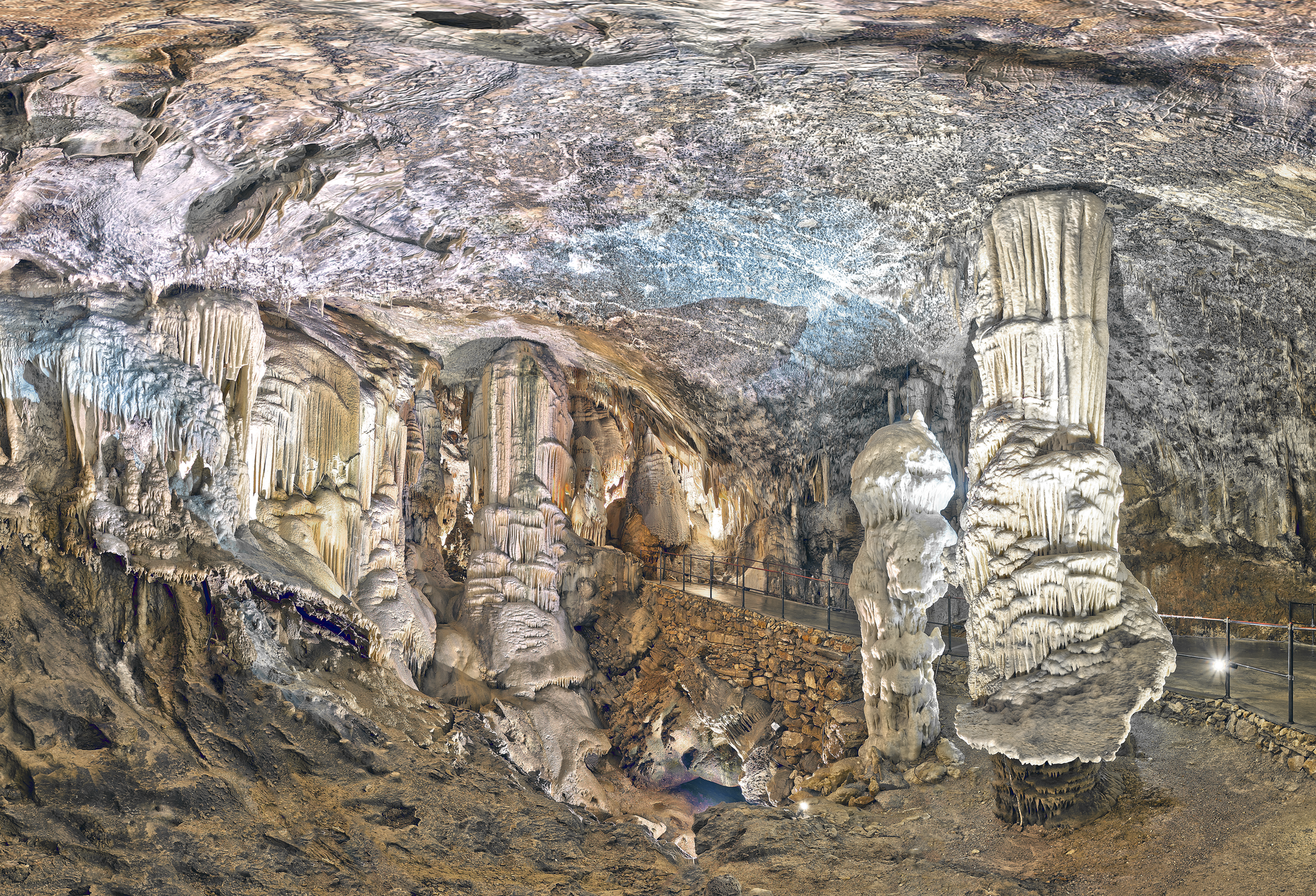
Outdoor travel ranges across Julian Alps, Soča River, karst caves, forests, wetlands, alpine lakes, Mediterranean coast and compact hiking and cycling landscapes. Terrain determines the plan. Mountain, island and remote rural routes need more preparation than an urban day trip, even when map distances appear short.
Check current weather, trail closures, fire restrictions, daylight and rescue guidance before starting. Carry water and layers, stay on marked routes where required and avoid treating protected landscapes as photo sets. In exposed areas, wind can matter as much as temperature.
A half-day walk often teaches more geography than a scenic drive. Outdoor days also create breathing space between dense city and museum visits, making a long itinerary feel more balanced.
Найкращий час to visit
There is no single perfect month for Slovenia. Spring usually works well for cities, gardens and walking. Summer provides long days and the widest range of seasonal services but also heavier demand. Autumn can be excellent for food, forests and cultural travel. Winter rewards travellers interested in snow, indoor culture, seasonal traditions or quieter streets.
Use the country's climate pattern—a varied climate shaped by alpine, continental and Mediterranean influences, creating large local differences over short distances—as a planning framework, then check regional forecasts close to departure. Historical averages are useful, but they are not guarantees. Mountain conditions, heat waves, storms and ferry disruptions can change an itinerary quickly.
Shoulder seasons are often ideal for a Videuro-style trip because they encourage slower travel and make local life more visible.
Getting around
Transport is built around efficient roads, rail and bus links among main towns, local buses for many visitor areas, and easy self-drive distances that make multi-region itineraries practical. Choose modes at the itinerary level rather than assuming one system is best for the entire trip.
Major cities are usually easier without a car because of parking, restricted streets and public transport. Cars become more useful for rural heritage, mountains, islands or dispersed coastal areas. For trains and buses, check whether reservations are required and whether tickets are tied to a specific departure.
Build buffer time into transfers. Travel is more enjoyable when the journey itself is part of the experience: regional trains, ferries and buses reveal landscapes that motorways bypass.
Suggested 7-day itinerary
Spend the first two nights in Ljubljana. Use one full day for the historical core and national institutions, then a second half-day for a neighbourhood, market, waterfront or modern cultural district.
For days three and four, move to a contrasting city chosen from Ljubljana, Maribor, Koper, Celje, Kranj, Ptuj, Piran and Nova Gorica. Stay two nights instead of making it a rushed day trip. Add one nearby heritage site or small town so the region has context beyond the city centre.
Use days five and six for one defining landscape or destination from Ljubljana; Lake Bled; Triglav National Park and Bohinj; Piran; Škocjan Caves; Postojna Cave; Soča Valley; Maribor and wine country; Ptuj; Velika Planina. Stay close enough to experience early morning and evening. On day seven, return toward the departure hub with enough margin for delays. This capital–regional city–landscape structure creates variety without constant packing.
Suggested 14-day itinerary
Begin with three nights in Ljubljana, including one day beyond the headline sights. Continue to a second urban base from Ljubljana, Maribor, Koper, Celje, Kranj, Ptuj, Piran and Nova Gorica for two or three nights and use it for one regional excursion.
The middle of the trip should include three or four nights in a defining landscape connected with Julian Alps, Soča River, karst caves, forests, wetlands, alpine lakes, Mediterranean coast and compact hiking and cycling landscapes. Stay long enough for one active day and one slower day. Then choose a third region with a different cultural or geographic character.
Reserve the final day as a buffer for weather, transport or an unexpected place worth staying longer. A two-week trip should feel like a narrative—orientation, historical depth, landscape immersion and a final contrast—rather than a chain of hotel bookings.
Families, couples and solo travel
Families benefit from alternating formal sightseeing with parks, interactive museums, boat trips and food stops. Children often remember ferries, trams, funiculars, beaches or wildlife more vividly than long guided tours, so keep museum days selective.
Couples can build around slower evenings, scenic transport and regional food. Two or three nights in a smaller town often create more atmosphere than using only the capital. Solo travellers gain flexibility and can use walking tours, workshops, public transport and small-group excursions to add social contact without losing independence.
Normal urban awareness around valuables and nightlife remains useful everywhere. For hiking or remote nature travel, share plans, monitor weather and follow local safety advice.
Responsible travel
Spend in ways that support the places you visit: locally owned accommodation where appropriate, neighbourhood restaurants, local guides, markets and regional producers. Travelling outside peak weeks and staying longer can distribute tourism income more evenly.
Historic centres are residential environments, not theme parks. Keep noise low at night, respect private entrances and follow rules on drones, short-term rentals and restricted areas. At memorials and sacred sites, behave quietly and follow photography rules.
In fragile natural environments, stay on marked paths, avoid disturbing wildlife, carry out waste and use public transport where practical. Responsible travel is not about perfection; it is about reducing avoidable pressure.
Practical planning
The currency is euro (€). Slovenian is the official language, with constitutionally recognised Italian and Hungarian language use in designated areas. Entry rules depend on nationality and residence status, so passport and visa requirements should be checked through official government or consular sources immediately before travel rather than copied from old articles.
Travel insurance should match planned activities. Standard policies may exclude technical mountain sports, winter backcountry travel or particular rental-car situations. Read the exclusions. Carry digital and offline copies of key bookings, and keep a small payment backup even in countries where cards are widely accepted.
Connectivity is strong in most urban areas, but remote mountains, islands and forests can have weaker mobile coverage. Download maps before long outdoor days and note emergency numbers and local rescue guidance.
Deeper destination notes
Ljubljana: how to experience it well
Ljubljana deserves more than a quick arrival-and-photo stop. Begin by understanding why the place matters in the context of Slovenia: its geography, historical role, architecture, cultural associations or natural setting. A short museum visit, official heritage introduction or park briefing can provide that context before the main walk.
Give yourself time beyond the headline viewpoint. Move one or two streets away from the busiest route, use a local café or market and notice how residents use the space. If the destination is natural, walk far enough to experience changes in terrain, vegetation and sound rather than staying only at the parking area.
Early morning and late afternoon usually provide calmer conditions and better light. If Ljubljana is commonly visited as a day trip, consider whether one overnight stay would transform the experience. After excursion traffic leaves, many famous places recover a completely different atmosphere.
For Videuro, Ljubljana can later become its own map marker, short video, local story or dedicated article linked back to this Slovenia guide as the central hub.
Lake Bled: how to experience it well
Lake Bled deserves more than a quick arrival-and-photo stop. Begin by understanding why the place matters in the context of Slovenia: its geography, historical role, architecture, cultural associations or natural setting. A short museum visit, official heritage introduction or park briefing can provide that context before the main walk.
Give yourself time beyond the headline viewpoint. Move one or two streets away from the busiest route, use a local café or market and notice how residents use the space. If the destination is natural, walk far enough to experience changes in terrain, vegetation and sound rather than staying only at the parking area.
Early morning and late afternoon usually provide calmer conditions and better light. If Lake Bled is commonly visited as a day trip, consider whether one overnight stay would transform the experience. After excursion traffic leaves, many famous places recover a completely different atmosphere.
For Videuro, Lake Bled can later become its own map marker, short video, local story or dedicated article linked back to this Slovenia guide as the central hub.
Triglav National Park and Bohinj: how to experience it well
Triglav National Park and Bohinj deserves more than a quick arrival-and-photo stop. Begin by understanding why the place matters in the context of Slovenia: its geography, historical role, architecture, cultural associations or natural setting. A short museum visit, official heritage introduction or park briefing can provide that context before the main walk.
Give yourself time beyond the headline viewpoint. Move one or two streets away from the busiest route, use a local café or market and notice how residents use the space. If the destination is natural, walk far enough to experience changes in terrain, vegetation and sound rather than staying only at the parking area.
Early morning and late afternoon usually provide calmer conditions and better light. If Triglav National Park and Bohinj is commonly visited as a day trip, consider whether one overnight stay would transform the experience. After excursion traffic leaves, many famous places recover a completely different atmosphere.
For Videuro, Triglav National Park and Bohinj can later become its own map marker, short video, local story or dedicated article linked back to this Slovenia guide as the central hub.
Piran: how to experience it well
Piran deserves more than a quick arrival-and-photo stop. Begin by understanding why the place matters in the context of Slovenia: its geography, historical role, architecture, cultural associations or natural setting. A short museum visit, official heritage introduction or park briefing can provide that context before the main walk.
Give yourself time beyond the headline viewpoint. Move one or two streets away from the busiest route, use a local café or market and notice how residents use the space. If the destination is natural, walk far enough to experience changes in terrain, vegetation and sound rather than staying only at the parking area.
Early morning and late afternoon usually provide calmer conditions and better light. If Piran is commonly visited as a day trip, consider whether one overnight stay would transform the experience. After excursion traffic leaves, many famous places recover a completely different atmosphere.
For Videuro, Piran can later become its own map marker, short video, local story or dedicated article linked back to this Slovenia guide as the central hub.
Škocjan Caves: how to experience it well
Škocjan Caves deserves more than a quick arrival-and-photo stop. Begin by understanding why the place matters in the context of Slovenia: its geography, historical role, architecture, cultural associations or natural setting. A short museum visit, official heritage introduction or park briefing can provide that context before the main walk.
Give yourself time beyond the headline viewpoint. Move one or two streets away from the busiest route, use a local café or market and notice how residents use the space. If the destination is natural, walk far enough to experience changes in terrain, vegetation and sound rather than staying only at the parking area.
Early morning and late afternoon usually provide calmer conditions and better light. If Škocjan Caves is commonly visited as a day trip, consider whether one overnight stay would transform the experience. After excursion traffic leaves, many famous places recover a completely different atmosphere.
For Videuro, Škocjan Caves can later become its own map marker, short video, local story or dedicated article linked back to this Slovenia guide as the central hub.
Postojna Cave: how to experience it well
Postojna Cave deserves more than a quick arrival-and-photo stop. Begin by understanding why the place matters in the context of Slovenia: its geography, historical role, architecture, cultural associations or natural setting. A short museum visit, official heritage introduction or park briefing can provide that context before the main walk.
Give yourself time beyond the headline viewpoint. Move one or two streets away from the busiest route, use a local café or market and notice how residents use the space. If the destination is natural, walk far enough to experience changes in terrain, vegetation and sound rather than staying only at the parking area.
Early morning and late afternoon usually provide calmer conditions and better light. If Postojna Cave is commonly visited as a day trip, consider whether one overnight stay would transform the experience. After excursion traffic leaves, many famous places recover a completely different atmosphere.
For Videuro, Postojna Cave can later become its own map marker, short video, local story or dedicated article linked back to this Slovenia guide as the central hub.
Soča Valley: how to experience it well
Soča Valley deserves more than a quick arrival-and-photo stop. Begin by understanding why the place matters in the context of Slovenia: its geography, historical role, architecture, cultural associations or natural setting. A short museum visit, official heritage introduction or park briefing can provide that context before the main walk.
Give yourself time beyond the headline viewpoint. Move one or two streets away from the busiest route, use a local café or market and notice how residents use the space. If the destination is natural, walk far enough to experience changes in terrain, vegetation and sound rather than staying only at the parking area.
Early morning and late afternoon usually provide calmer conditions and better light. If Soča Valley is commonly visited as a day trip, consider whether one overnight stay would transform the experience. After excursion traffic leaves, many famous places recover a completely different atmosphere.
For Videuro, Soča Valley can later become its own map marker, short video, local story or dedicated article linked back to this Slovenia guide as the central hub.
Maribor and wine country: how to experience it well
Maribor and wine country deserves more than a quick arrival-and-photo stop. Begin by understanding why the place matters in the context of Slovenia: its geography, historical role, architecture, cultural associations or natural setting. A short museum visit, official heritage introduction or park briefing can provide that context before the main walk.
Give yourself time beyond the headline viewpoint. Move one or two streets away from the busiest route, use a local café or market and notice how residents use the space. If the destination is natural, walk far enough to experience changes in terrain, vegetation and sound rather than staying only at the parking area.
Early morning and late afternoon usually provide calmer conditions and better light. If Maribor and wine country is commonly visited as a day trip, consider whether one overnight stay would transform the experience. After excursion traffic leaves, many famous places recover a completely different atmosphere.
For Videuro, Maribor and wine country can later become its own map marker, short video, local story or dedicated article linked back to this Slovenia guide as the central hub.
Ptuj: how to experience it well
Ptuj deserves more than a quick arrival-and-photo stop. Begin by understanding why the place matters in the context of Slovenia: its geography, historical role, architecture, cultural associations or natural setting. A short museum visit, official heritage introduction or park briefing can provide that context before the main walk.
Give yourself time beyond the headline viewpoint. Move one or two streets away from the busiest route, use a local café or market and notice how residents use the space. If the destination is natural, walk far enough to experience changes in terrain, vegetation and sound rather than staying only at the parking area.
Early morning and late afternoon usually provide calmer conditions and better light. If Ptuj is commonly visited as a day trip, consider whether one overnight stay would transform the experience. After excursion traffic leaves, many famous places recover a completely different atmosphere.
For Videuro, Ptuj can later become its own map marker, short video, local story or dedicated article linked back to this Slovenia guide as the central hub.
Velika Planina: how to experience it well
Velika Planina deserves more than a quick arrival-and-photo stop. Begin by understanding why the place matters in the context of Slovenia: its geography, historical role, architecture, cultural associations or natural setting. A short museum visit, official heritage introduction or park briefing can provide that context before the main walk.
Give yourself time beyond the headline viewpoint. Move one or two streets away from the busiest route, use a local café or market and notice how residents use the space. If the destination is natural, walk far enough to experience changes in terrain, vegetation and sound rather than staying only at the parking area.
Early morning and late afternoon usually provide calmer conditions and better light. If Velika Planina is commonly visited as a day trip, consider whether one overnight stay would transform the experience. After excursion traffic leaves, many famous places recover a completely different atmosphere.
For Videuro, Velika Planina can later become its own map marker, short video, local story or dedicated article linked back to this Slovenia guide as the central hub.
External links and authoritative sources
Use primary or official sources for information that changes: government structure, statistics, entry rules, heritage status, weather, park access and opening hours. The links below are intended for verification and deeper reading rather than decorative outbound linking.
- I Feel Slovenia — official tourism
- Statistical Office of Slovenia
- UNESCO — Slovenia
- UNESCO World Heritage Centre — Slovenia
- Slovenian Academy of Sciences and Arts
- National Museum of Slovenia
- Slovenian Environment Agency
- Visit Ljubljana
- Triglav National Park
How to use these sources
Tourism boards are best for regional inspiration and logistics. Statistical offices are better for population and economic data. UNESCO pages explain inscription criteria and conservation status. Museums, academies and universities provide deeper historical and scientific context. Weather agencies and park authorities should be checked close to travel.
Do not copy a changing statistic into an evergreen article without recording the year and source. Transport prices, visa rules, opening hours, officeholders and temporary closures should always be rechecked before publication or travel.
Link to and cite this Videuro guide
Permanent article URL: /slovenia-travel-guide
Suggested citation title: Slovenia Travel Guide — Videuro.
These outbound links are references from Videuro to external sources. They are not backlinks to Videuro by themselves. A backlink is created only when another website links to this article. The strongest way to earn those links is to publish original, detailed and clearly sourced material that journalists, bloggers, students and other publishers consider useful enough to cite.
FAQ: planning a trip to Slovenia
How many days are enough?
Four or five days can introduce one region, but 7–10 days is much better for combining a major city with regional travel. Two weeks allows a genuinely varied itinerary.
Should I rent a car?
Not automatically. Use public transport for major cities and well-connected corridors. Rent a car only when rural, mountain, island or coastal flexibility clearly improves the plan.
What should I book in advance?
High-demand accommodation, famous timed-entry monuments, major performances, specialist nature tours and seasonal ferries or trains.
What is the biggest planning mistake?
Trying to see too much. Slovenia becomes more interesting when travellers slow down enough to notice regional differences.
How can I understand local culture better?
Combine one serious museum or historic site with markets, neighbourhood walks, cafés, local sport, regional food and ordinary public transport.
Are the famous attractions still worth visiting?
Usually yes. Visit at quieter hours and pair them with less obvious places nearby so the trip is not built entirely around peak-time crowds.
Final perspective
Slovenia works best as a journey of connections. Geography explains food and settlement. History explains architecture and regional identity. Science explains universities and industries. Artists, writers, musicians and athletes add emotional reference points, while contemporary economic life shows that the country is not simply a collection of preserved monuments.
Visit the major places—Ljubljana; Lake Bled; Triglav National Park and Bohinj; Piran; Škocjan Caves; Postojna Cave; Soča Valley; Maribor and wine country; Ptuj; Velika Planina—but leave room for the street between two landmarks, the regional train, the morning market, the small museum and the landscape seen slowly. For Videuro, this guide should function as the hub from which future city, region, map and video content grows.