Seven days in Portugália is enough to build a meaningful first journey if the route is selective. It is not enough to see every famous city, region and landscape, and that limitation is useful. A strong one-week itinerary gives each day a purpose, reduces unnecessary backtracking and leaves room for the things that cannot be scheduled perfectly: weather, a long lunch, a museum that deserves more time, or a neighbourhood you decide not to rush through.
This itinerary is designed as a practical framework rather than a rigid package. It combines major cultural anchors with smaller places or landscapes, using the úti célok already covered in Videuro's Best Places to Visit in Portugália guide. For deeper geography, history, culture and background, keep the complete Portugália travel guide open as the reference hub.
Transport schedules, opening hours, seasonal access and reservation systems change. Use this plan for route logic and pacing, then confirm time-sensitive details with official operators and destination authorities shortly before travel. When a weather-sensitive day is involved, keep a flexible swap ready rather than treating the itinerary as a promise that every activity will operate exactly as imagined.
7 days in Portugália röviden
- Day 1: Lisbon: hills, riverfront and historic neighbourhoods — Lisbon
- Day 2: Sintra from Lisbon — Sintra, Lisbon
- Day 3: Coimbra and central Portugália — Coimbra
- Day 4: Porto: river, old streets and food — Porto
- Day 5: Douro Valley — Douro Valley, Porto
- Day 6: Braga and Guimarães — Braga and Guimarães
- Day 7: Aveiro and a relaxed northern finale — Aveiro, Porto
Why this one-week route works in Portugália
The route uses a small number of anchors instead of trying to sample the whole country. That matters because one week disappears quickly once hotel changes, station transfers, airport procedures and orientation time are included. The itinerary therefore favours places that either represent a major part of Portugália's identity or connect efficiently with the next stage of the trip.
It also alternates intensity. A major city day can involve museums, long walks and dense historical context; the following day is often better when it includes a landscape, smaller town or slower regional experience. This variation protects energy and makes the contrast between úti célok more visible.
Finally, the plan leaves room for personal choice. Travellers interested in art can deepen museum time, food-focused visitors can extend markets and meals, families can reduce formal sightseeing, and outdoor travellers can replace an urban block with a longer walk. The structure stays useful even when individual stops change.
Day 1: Lisbon: hills, riverfront and historic neighbourhoods
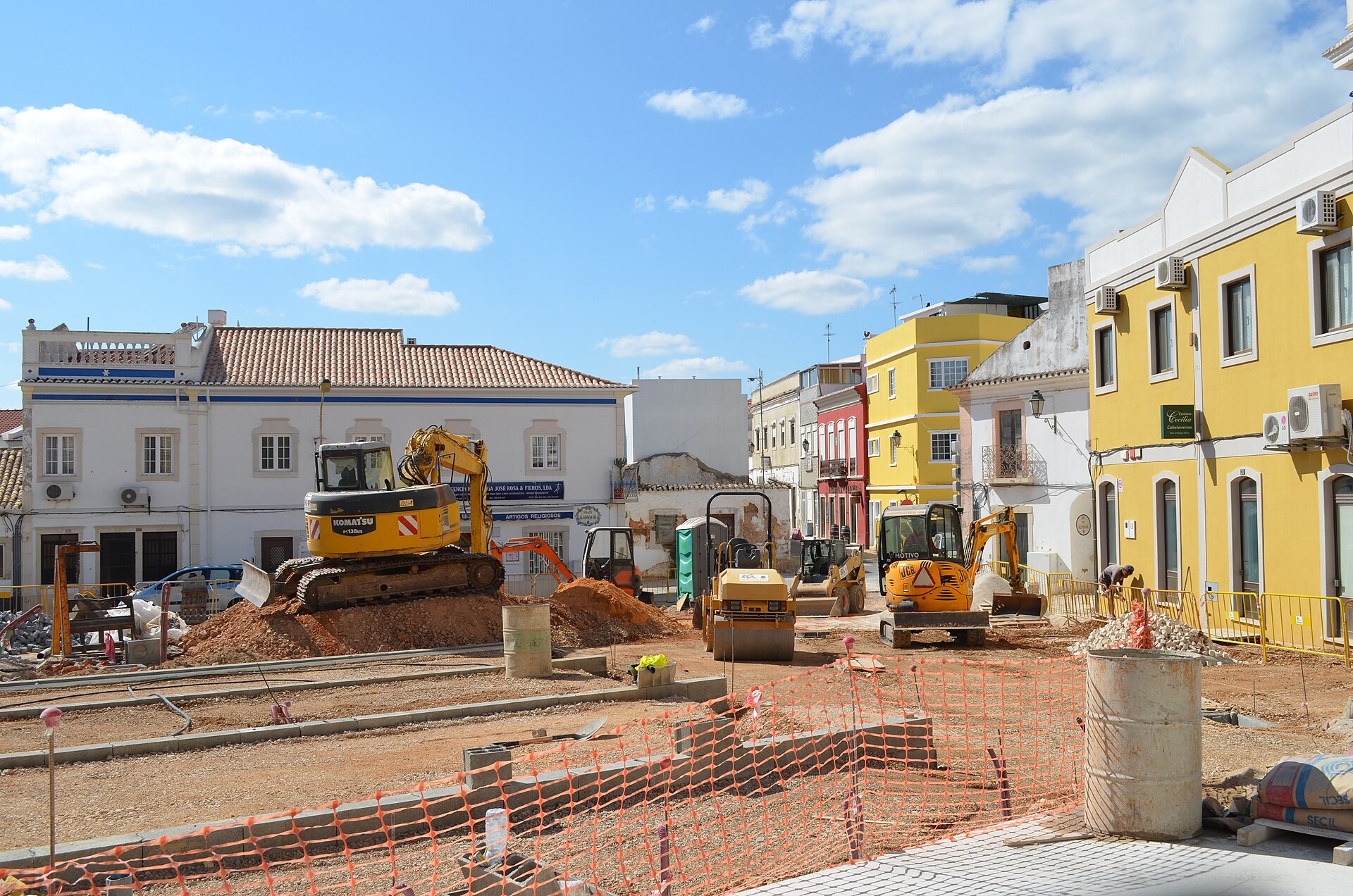
Day 1 is built around Lisbon in western Portugália, known for hilltop viewpoints, tiled streets, historic trams, riverfront districts and a layered maritime history. The point is not to collect attractions as quickly as possible. It is to give this stage of the journey a clear identity, enough walking time, and enough margin for meals, weather and transport. A capital that rewards neighbourhood exploration as much as formal sightseeing. In a seven-day trip, rhythm matters as much as ambition: each day should feel different from the one before it while still fitting naturally into the route.
Morning plan for day 1
Start early enough to experience Lisbon before the busiest part of the day. Use the first hour for orientation rather than immediately entering the largest attraction. Walk the central streets or landscape approach, identify the main transport points, and notice how hilltop viewpoints, tiled streets, historic trams, riverfront districts and a layered maritime history shape the place. A slower opening makes later museum, heritage or outdoor visits easier to understand because you already have a mental map.
Choose one major experience for the morning and do it properly. That might be an important museum, a historic complex, a scenic route, a market, a waterfront walk or a protected landscape. Read a little background before arriving, but avoid trying to memorise a list of facts. The goal is to connect what you see with the broader story of the country and with the previous days of the trip.
Lunch and local atmosphere
Around midday, move away from the most obvious visitor corridor if possible. In Lisbon, a market, bakery, casual restaurant, neighbourhood square or smaller town centre can reveal more about everyday life than another famous monument. Order something regional when practical, ask what is seasonal, and leave enough time that lunch does not become a rushed gap between reservations.
If the day includes a transfer, use lunch as the natural dividing point. It is usually better to make one purposeful move after eating than to interrupt the morning with repeated short journeys. Keep luggage strategy simple: use hotel storage, station lockers where available, or a base that allows the day to begin and end without unnecessary backtracking.
Afternoon route
Stay with Lisbon for the afternoon, but change the type of experience. If the morning was museum-heavy, spend the afternoon outdoors; if the morning focused on a major landscape, use the afternoon for a town, café, market or smaller cultural site. This contrast helps a long day remain enjoyable instead of becoming a sequence of similar stops.
Use the later afternoon for one secondary area rather than another headline attraction. A capital that rewards neighbourhood exploration as much as formal sightseeing. The most memorable part of the day may be the walk between places, the view from a quieter street or the pause that was not originally scheduled.
Evening and overnight strategy
Do not fill the evening simply because the itinerary still has empty hours. After a full day, the best use of time is often a relaxed meal, a short sunset or night walk, and an early return to the hotel. If day 1 ends in a place with a strong evening atmosphere, experience it after day-trippers leave; otherwise, protect energy for the next morning.
Confirm the next day's first connection before going to sleep, especially if rail reservations, ferries, mountain lifts or timed entries are involved. Keep tickets and offline maps accessible. A seven-day route works smoothly when small logistical decisions are handled the night before rather than during the busiest part of the morning.
What to prioritise if you are short on time
If the schedule slips, keep the experience that best represents hilltop viewpoints, tiled streets, historic trams, riverfront districts and a layered maritime history and drop the least distinctive extra. Do not sacrifice meals, sleep and transfer buffers just to preserve every line of the plan. A shorter, coherent day in Lisbon is more valuable than arriving exhausted at a final attraction minutes before closing.
Day 2: Sintra from Lisbon
Day 2 is built around Sintra in near Lisbon, known for romantic palaces, wooded hills and historic estates and Lisbon in western Portugália, known for hilltop viewpoints, tiled streets, historic trams, riverfront districts and a layered maritime history. The point is not to collect attractions as quickly as possible. It is to give this stage of the journey a clear identity, enough walking time, and enough margin for meals, weather and transport. A very popular excursion that improves with an early start and a realistic choice of two or three major sites. In a seven-day trip, rhythm matters as much as ambition: each day should feel different from the one before it while still fitting naturally into the route.
Morning plan for day 2
Start early enough to experience Sintra before the busiest part of the day. Use the first hour for orientation rather than immediately entering the largest attraction. Walk the central streets or landscape approach, identify the main transport points, and notice how romantic palaces, wooded hills and historic estates shape the place. A slower opening makes later museum, heritage or outdoor visits easier to understand because you already have a mental map.
Choose one major experience for the morning and do it properly. That might be an important museum, a historic complex, a scenic route, a market, a waterfront walk or a protected landscape. Read a little background before arriving, but avoid trying to memorise a list of facts. The goal is to connect what you see with the broader story of the country and with the previous days of the trip.
Lunch and local atmosphere
Around midday, move away from the most obvious visitor corridor if possible. In Sintra, a market, bakery, casual restaurant, neighbourhood square or smaller town centre can reveal more about everyday life than another famous monument. Order something regional when practical, ask what is seasonal, and leave enough time that lunch does not become a rushed gap between reservations.
If the day includes a transfer, use lunch as the natural dividing point. It is usually better to make one purposeful move after eating than to interrupt the morning with repeated short journeys. Keep luggage strategy simple: use hotel storage, station lockers where available, or a base that allows the day to begin and end without unnecessary backtracking.
Afternoon route
The afternoon shifts toward Lisbon, associated with hilltop viewpoints, tiled streets, historic trams, riverfront districts and a layered maritime history. Treat the move as part of the experience rather than dead time. Trains, ferries, buses and scenic roads often reveal the relationship between cities, valleys, coasts and rural regions more clearly than a map can.
Once in Lisbon, choose depth over quantity. A capital that rewards neighbourhood exploration as much as formal sightseeing. If access is seasonal or weather dependent, keep a simpler local alternative ready rather than forcing the original plan in poor conditions.
Evening and overnight strategy
Do not fill the evening simply because the itinerary still has empty hours. After a full day, the best use of time is often a relaxed meal, a short sunset or night walk, and an early return to the hotel. If day 2 ends in a place with a strong evening atmosphere, experience it after day-trippers leave; otherwise, protect energy for the next morning.
Confirm the next day's first connection before going to sleep, especially if rail reservations, ferries, mountain lifts or timed entries are involved. Keep tickets and offline maps accessible. A seven-day route works smoothly when small logistical decisions are handled the night before rather than during the busiest part of the morning.
What to prioritise if you are short on time
If the schedule slips, keep the experience that best represents romantic palaces, wooded hills and historic estates and drop the least distinctive extra. Do not sacrifice meals, sleep and transfer buffers just to preserve every line of the plan. A shorter, coherent day in Sintra is more valuable than arriving exhausted at a final attraction minutes before closing.
Day 3: Coimbra and central Portugália
Day 3 is built around Coimbra in central Portugália, known for one of Europe's historic universities, steep old streets and a long intellectual tradition. The point is not to collect attractions as quickly as possible. It is to give this stage of the journey a clear identity, enough walking time, and enough margin for meals, weather and transport. A cultural stop that sits naturally between lisbon and porto. In a seven-day trip, rhythm matters as much as ambition: each day should feel different from the one before it while still fitting naturally into the route.
Morning plan for day 3
Start early enough to experience Coimbra before the busiest part of the day. Use the first hour for orientation rather than immediately entering the largest attraction. Walk the central streets or landscape approach, identify the main transport points, and notice how one of Europe's historic universities, steep old streets and a long intellectual tradition shape the place. A slower opening makes later museum, heritage or outdoor visits easier to understand because you already have a mental map.
Choose one major experience for the morning and do it properly. That might be an important museum, a historic complex, a scenic route, a market, a waterfront walk or a protected landscape. Read a little background before arriving, but avoid trying to memorise a list of facts. The goal is to connect what you see with the broader story of the country and with the previous days of the trip.
Lunch and local atmosphere
Around midday, move away from the most obvious visitor corridor if possible. In Coimbra, a market, bakery, casual restaurant, neighbourhood square or smaller town centre can reveal more about everyday life than another famous monument. Order something regional when practical, ask what is seasonal, and leave enough time that lunch does not become a rushed gap between reservations.
If the day includes a transfer, use lunch as the natural dividing point. It is usually better to make one purposeful move after eating than to interrupt the morning with repeated short journeys. Keep luggage strategy simple: use hotel storage, station lockers where available, or a base that allows the day to begin and end without unnecessary backtracking.
Afternoon route
Stay with Coimbra for the afternoon, but change the type of experience. If the morning was museum-heavy, spend the afternoon outdoors; if the morning focused on a major landscape, use the afternoon for a town, café, market or smaller cultural site. This contrast helps a long day remain enjoyable instead of becoming a sequence of similar stops.
Use the later afternoon for one secondary area rather than another headline attraction. A cultural stop that sits naturally between lisbon and porto. The most memorable part of the day may be the walk between places, the view from a quieter street or the pause that was not originally scheduled.
Evening and overnight strategy
Do not fill the evening simply because the itinerary still has empty hours. After a full day, the best use of time is often a relaxed meal, a short sunset or night walk, and an early return to the hotel. If day 3 ends in a place with a strong evening atmosphere, experience it after day-trippers leave; otherwise, protect energy for the next morning.
Confirm the next day's first connection before going to sleep, especially if rail reservations, ferries, mountain lifts or timed entries are involved. Keep tickets and offline maps accessible. A seven-day route works smoothly when small logistical decisions are handled the night before rather than during the busiest part of the morning.
What to prioritise if you are short on time
If the schedule slips, keep the experience that best represents one of Europe's historic universities, steep old streets and a long intellectual tradition and drop the least distinctive extra. Do not sacrifice meals, sleep and transfer buffers just to preserve every line of the plan. A shorter, coherent day in Coimbra is more valuable than arriving exhausted at a final attraction minutes before closing.
Day 4: Porto: river, old streets and food
Day 4 is built around Porto in northern Portugália, known for granite streets, Douro views, historic wine lodges and a compact riverside core. The point is not to collect attractions as quickly as possible. It is to give this stage of the journey a clear identity, enough walking time, and enough margin for meals, weather and transport. A city where steep topography and river crossings are part of the experience. In a seven-day trip, rhythm matters as much as ambition: each day should feel different from the one before it while still fitting naturally into the route.
Morning plan for day 4
Start early enough to experience Porto before the busiest part of the day. Use the first hour for orientation rather than immediately entering the largest attraction. Walk the central streets or landscape approach, identify the main transport points, and notice how granite streets, Douro views, historic wine lodges and a compact riverside core shape the place. A slower opening makes later museum, heritage or outdoor visits easier to understand because you already have a mental map.
Choose one major experience for the morning and do it properly. That might be an important museum, a historic complex, a scenic route, a market, a waterfront walk or a protected landscape. Read a little background before arriving, but avoid trying to memorise a list of facts. The goal is to connect what you see with the broader story of the country and with the previous days of the trip.
Lunch and local atmosphere
Around midday, move away from the most obvious visitor corridor if possible. In Porto, a market, bakery, casual restaurant, neighbourhood square or smaller town centre can reveal more about everyday life than another famous monument. Order something regional when practical, ask what is seasonal, and leave enough time that lunch does not become a rushed gap between reservations.
If the day includes a transfer, use lunch as the natural dividing point. It is usually better to make one purposeful move after eating than to interrupt the morning with repeated short journeys. Keep luggage strategy simple: use hotel storage, station lockers where available, or a base that allows the day to begin and end without unnecessary backtracking.
Afternoon route
Stay with Porto for the afternoon, but change the type of experience. If the morning was museum-heavy, spend the afternoon outdoors; if the morning focused on a major landscape, use the afternoon for a town, café, market or smaller cultural site. This contrast helps a long day remain enjoyable instead of becoming a sequence of similar stops.
Use the later afternoon for one secondary area rather than another headline attraction. A city where steep topography and river crossings are part of the experience. The most memorable part of the day may be the walk between places, the view from a quieter street or the pause that was not originally scheduled.
Evening and overnight strategy
Do not fill the evening simply because the itinerary still has empty hours. After a full day, the best use of time is often a relaxed meal, a short sunset or night walk, and an early return to the hotel. If day 4 ends in a place with a strong evening atmosphere, experience it after day-trippers leave; otherwise, protect energy for the next morning.
Confirm the next day's first connection before going to sleep, especially if rail reservations, ferries, mountain lifts or timed entries are involved. Keep tickets and offline maps accessible. A seven-day route works smoothly when small logistical decisions are handled the night before rather than during the busiest part of the morning.
What to prioritise if you are short on time
If the schedule slips, keep the experience that best represents granite streets, Douro views, historic wine lodges and a compact riverside core and drop the least distinctive extra. Do not sacrifice meals, sleep and transfer buffers just to preserve every line of the plan. A shorter, coherent day in Porto is more valuable than arriving exhausted at a final attraction minutes before closing.
Day 5: Douro Valley
Day 5 is built around Douro Valley in northern Portugália, known for terraced vineyards, river scenery and historic wine estates and Porto in northern Portugália, known for granite streets, Douro views, historic wine lodges and a compact riverside core. The point is not to collect attractions as quickly as possible. It is to give this stage of the journey a clear identity, enough walking time, and enough margin for meals, weather and transport. A region where rail, boat and road each reveal the landscape differently. In a seven-day trip, rhythm matters as much as ambition: each day should feel different from the one before it while still fitting naturally into the route.
Morning plan for day 5
Start early enough to experience Douro Valley before the busiest part of the day. Use the first hour for orientation rather than immediately entering the largest attraction. Walk the central streets or landscape approach, identify the main transport points, and notice how terraced vineyards, river scenery and historic wine estates shape the place. A slower opening makes later museum, heritage or outdoor visits easier to understand because you already have a mental map.
Choose one major experience for the morning and do it properly. That might be an important museum, a historic complex, a scenic route, a market, a waterfront walk or a protected landscape. Read a little background before arriving, but avoid trying to memorise a list of facts. The goal is to connect what you see with the broader story of the country and with the previous days of the trip.
Lunch and local atmosphere
Around midday, move away from the most obvious visitor corridor if possible. In Douro Valley, a market, bakery, casual restaurant, neighbourhood square or smaller town centre can reveal more about everyday life than another famous monument. Order something regional when practical, ask what is seasonal, and leave enough time that lunch does not become a rushed gap between reservations.
If the day includes a transfer, use lunch as the natural dividing point. It is usually better to make one purposeful move after eating than to interrupt the morning with repeated short journeys. Keep luggage strategy simple: use hotel storage, station lockers where available, or a base that allows the day to begin and end without unnecessary backtracking.
Afternoon route
The afternoon shifts toward Porto, associated with granite streets, Douro views, historic wine lodges and a compact riverside core. Treat the move as part of the experience rather than dead time. Trains, ferries, buses and scenic roads often reveal the relationship between cities, valleys, coasts and rural regions more clearly than a map can.
Once in Porto, choose depth over quantity. A city where steep topography and river crossings are part of the experience. If access is seasonal or weather dependent, keep a simpler local alternative ready rather than forcing the original plan in poor conditions.
Evening and overnight strategy
Do not fill the evening simply because the itinerary still has empty hours. After a full day, the best use of time is often a relaxed meal, a short sunset or night walk, and an early return to the hotel. If day 5 ends in a place with a strong evening atmosphere, experience it after day-trippers leave; otherwise, protect energy for the next morning.
Confirm the next day's first connection before going to sleep, especially if rail reservations, ferries, mountain lifts or timed entries are involved. Keep tickets and offline maps accessible. A seven-day route works smoothly when small logistical decisions are handled the night before rather than during the busiest part of the morning.
What to prioritise if you are short on time
If the schedule slips, keep the experience that best represents terraced vineyards, river scenery and historic wine estates and drop the least distinctive extra. Do not sacrifice meals, sleep and transfer buffers just to preserve every line of the plan. A shorter, coherent day in Douro Valley is more valuable than arriving exhausted at a final attraction minutes before closing.
Day 6: Braga and Guimarães
Day 6 is built around Braga and Guimarães in Minho, known for religious heritage, medieval streets and strong northern Portuguese identity. The point is not to collect attractions as quickly as possible. It is to give this stage of the journey a clear identity, enough walking time, and enough margin for meals, weather and transport. Two nearby cities that work well together without feeling repetitive. In a seven-day trip, rhythm matters as much as ambition: each day should feel different from the one before it while still fitting naturally into the route.
Morning plan for day 6
Start early enough to experience Braga and Guimarães before the busiest part of the day. Use the first hour for orientation rather than immediately entering the largest attraction. Walk the central streets or landscape approach, identify the main transport points, and notice how religious heritage, medieval streets and strong northern Portuguese identity shape the place. A slower opening makes later museum, heritage or outdoor visits easier to understand because you already have a mental map.
Choose one major experience for the morning and do it properly. That might be an important museum, a historic complex, a scenic route, a market, a waterfront walk or a protected landscape. Read a little background before arriving, but avoid trying to memorise a list of facts. The goal is to connect what you see with the broader story of the country and with the previous days of the trip.
Lunch and local atmosphere
Around midday, move away from the most obvious visitor corridor if possible. In Braga and Guimarães, a market, bakery, casual restaurant, neighbourhood square or smaller town centre can reveal more about everyday life than another famous monument. Order something regional when practical, ask what is seasonal, and leave enough time that lunch does not become a rushed gap between reservations.
If the day includes a transfer, use lunch as the natural dividing point. It is usually better to make one purposeful move after eating than to interrupt the morning with repeated short journeys. Keep luggage strategy simple: use hotel storage, station lockers where available, or a base that allows the day to begin and end without unnecessary backtracking.
Afternoon route
Stay with Braga and Guimarães for the afternoon, but change the type of experience. If the morning was museum-heavy, spend the afternoon outdoors; if the morning focused on a major landscape, use the afternoon for a town, café, market or smaller cultural site. This contrast helps a long day remain enjoyable instead of becoming a sequence of similar stops.
Use the later afternoon for one secondary area rather than another headline attraction. Two nearby cities that work well together without feeling repetitive. The most memorable part of the day may be the walk between places, the view from a quieter street or the pause that was not originally scheduled.
Evening and overnight strategy
Do not fill the evening simply because the itinerary still has empty hours. After a full day, the best use of time is often a relaxed meal, a short sunset or night walk, and an early return to the hotel. If day 6 ends in a place with a strong evening atmosphere, experience it after day-trippers leave; otherwise, protect energy for the next morning.
Confirm the next day's first connection before going to sleep, especially if rail reservations, ferries, mountain lifts or timed entries are involved. Keep tickets and offline maps accessible. A seven-day route works smoothly when small logistical decisions are handled the night before rather than during the busiest part of the morning.
What to prioritise if you are short on time
If the schedule slips, keep the experience that best represents religious heritage, medieval streets and strong northern Portuguese identity and drop the least distinctive extra. Do not sacrifice meals, sleep and transfer buffers just to preserve every line of the plan. A shorter, coherent day in Braga and Guimarães is more valuable than arriving exhausted at a final attraction minutes before closing.
Day 7: Aveiro and a relaxed northern finale
Day 7 is built around Aveiro in central coast, known for canals, Art Nouveau details and access to lagoon and beach landscapes and Porto in northern Portugália, known for granite streets, Douro views, historic wine lodges and a compact riverside core. The point is not to collect attractions as quickly as possible. It is to give this stage of the journey a clear identity, enough walking time, and enough margin for meals, weather and transport. A pleasant compact stop that becomes stronger when paired with the wider lagoon region. In a seven-day trip, rhythm matters as much as ambition: each day should feel different from the one before it while still fitting naturally into the route.
Morning plan for day 7
Start early enough to experience Aveiro before the busiest part of the day. Use the first hour for orientation rather than immediately entering the largest attraction. Walk the central streets or landscape approach, identify the main transport points, and notice how canals, Art Nouveau details and access to lagoon and beach landscapes shape the place. A slower opening makes later museum, heritage or outdoor visits easier to understand because you already have a mental map.
Choose one major experience for the morning and do it properly. That might be an important museum, a historic complex, a scenic route, a market, a waterfront walk or a protected landscape. Read a little background before arriving, but avoid trying to memorise a list of facts. The goal is to connect what you see with the broader story of the country and with the previous days of the trip.
Lunch and local atmosphere
Around midday, move away from the most obvious visitor corridor if possible. In Aveiro, a market, bakery, casual restaurant, neighbourhood square or smaller town centre can reveal more about everyday life than another famous monument. Order something regional when practical, ask what is seasonal, and leave enough time that lunch does not become a rushed gap between reservations.
If the day includes a transfer, use lunch as the natural dividing point. It is usually better to make one purposeful move after eating than to interrupt the morning with repeated short journeys. Keep luggage strategy simple: use hotel storage, station lockers where available, or a base that allows the day to begin and end without unnecessary backtracking.
Afternoon route
The afternoon shifts toward Porto, associated with granite streets, Douro views, historic wine lodges and a compact riverside core. Treat the move as part of the experience rather than dead time. Trains, ferries, buses and scenic roads often reveal the relationship between cities, valleys, coasts and rural regions more clearly than a map can.
Once in Porto, choose depth over quantity. A city where steep topography and river crossings are part of the experience. If access is seasonal or weather dependent, keep a simpler local alternative ready rather than forcing the original plan in poor conditions.
Evening and overnight strategy
Do not fill the evening simply because the itinerary still has empty hours. After a full day, the best use of time is often a relaxed meal, a short sunset or night walk, and an early return to the hotel. If day 7 ends in a place with a strong evening atmosphere, experience it after day-trippers leave; otherwise, protect energy for the next morning.
Confirm the next day's first connection before going to sleep, especially if rail reservations, ferries, mountain lifts or timed entries are involved. Keep tickets and offline maps accessible. A seven-day route works smoothly when small logistical decisions are handled the night before rather than during the busiest part of the morning.
What to prioritise if you are short on time
If the schedule slips, keep the experience that best represents canals, Art Nouveau details and access to lagoon and beach landscapes and drop the least distinctive extra. Do not sacrifice meals, sleep and transfer buffers just to preserve every line of the plan. A shorter, coherent day in Aveiro is more valuable than arriving exhausted at a final attraction minutes before closing.
Where to stay during 7 days in Portugália
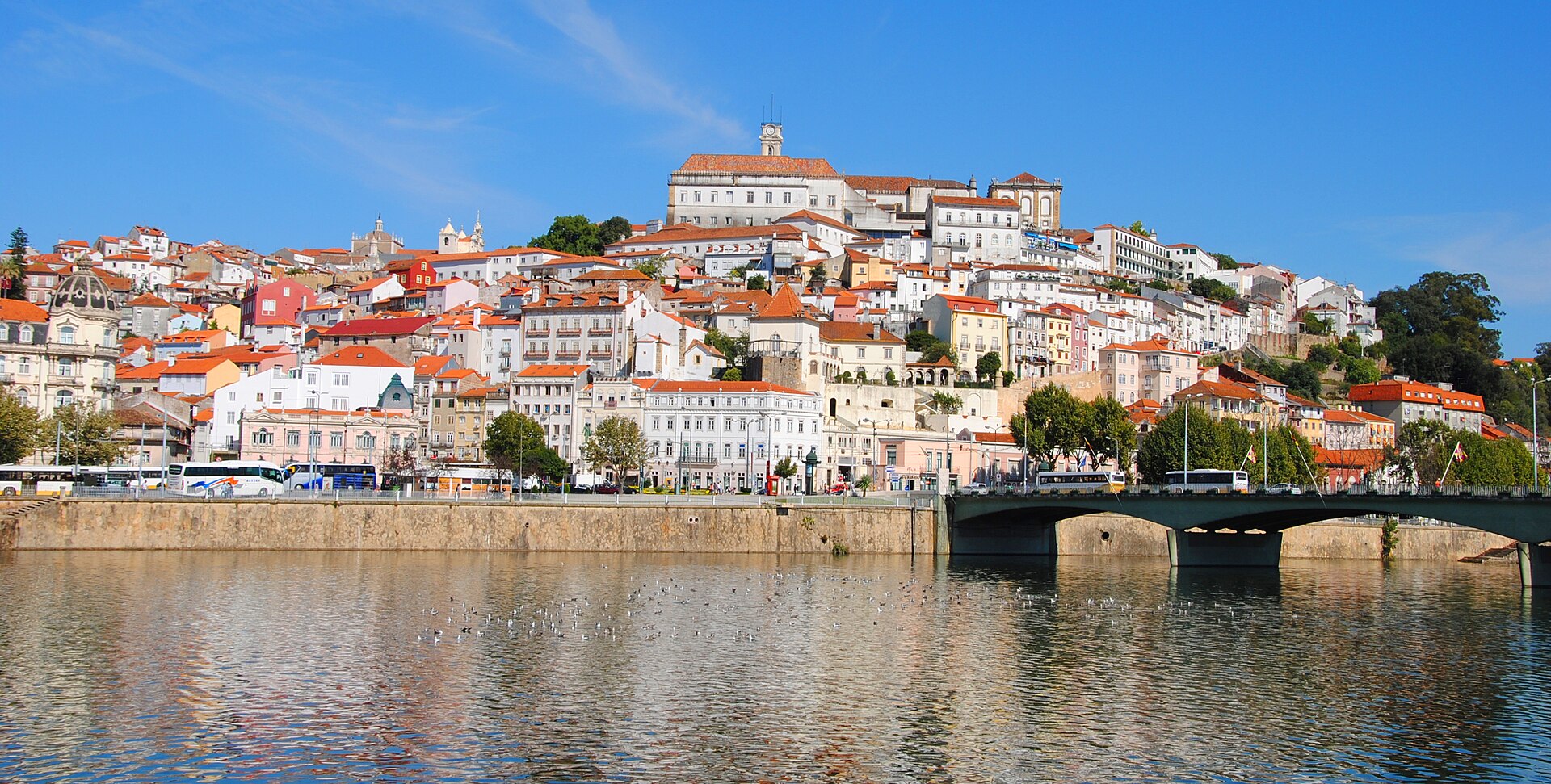
Choose accommodation around the route, not around a national list of 'best hotels'. The most useful room is often the one that reduces daily friction: close enough to a station for an early departure, near a walkable centre, or positioned so you can return for a rest without losing an hour in transit.
For a one-week trip, avoid changing hotels every night unless geography absolutely requires it. Two-night bases create time to see a destination after excursion traffic leaves and reduce the hidden workload of packing, checking out and learning a new neighbourhood. When the route includes a famous day-trip destination, compare the value of staying overnight with the convenience of returning to a stronger transport hub.
Read recent guest comments about noise, stairs, climate control, late check-in and station access rather than relying only on star categories. In historic centres, a beautiful old building may have small lifts or none at all; in resort areas, seasonal opening patterns can matter more than distance on a map.
How to move around Portugália in one week
Use the fastest sensible mode for long intercity moves and the simplest local mode once you arrive. In dense cities, walking and public transport usually outperform a rental car. In rural or mountain regions, a car may create useful flexibility, but only if parking and restricted-access rules do not turn it into a burden.
Do not schedule a major timed attraction immediately after a long transfer. Even reliable transport can be delayed, and unfamiliar stations take time to navigate. A better pattern is to travel, check in or store luggage, eat, and then begin with a flexible walk or neighbourhood experience.
If the itinerary includes ferries, mountain lifts, island connections or seasonal roads, recheck operations close to the travel date. The correct transport plan in summer may be impossible in winter, and the easiest weekday connection may differ on Sundays or public holidays.
How much luggage to bring for a 7-day Portugália itinerary
Pack for mobility. A one-week route with several bases is easier with one manageable suitcase or backpack than with luggage designed for a two-week resort stay. Choose layers that can be recombined, comfortable walking shoes already broken in, and a small day bag for water, documents, medication, power banks and weather protection.
Laundry or sink-washing one or two items can be more efficient than carrying a completely different outfit for every day. If the route includes formal dining, religious sites, mountain weather or beaches, add only the specific clothing those situations require.
Keep essentials in the day bag on transfer days. If checked luggage is delayed or a hotel room is not ready, you should still be able to continue the first part of the day comfortably.
Food strategy for one week in Portugália
Do not turn every meal into a reservation. One or two important restaurants can be worth planning ahead, but spontaneous bakeries, markets, cafés and simple regional places are often where a traveller notices how food changes from one area to another.
Use lunch strategically. On heavy sightseeing days, a quick but good lunch protects time. On transfer days, a longer meal can break the journey naturally. In the evening, eating near the hotel sometimes produces a better experience than crossing the city again for a restaurant that looked impressive online.
Ask what is seasonal and regional instead of searching only for a single 'national dish'. The foods associated with the capital may be quite different from those in coastal, mountain or rural areas.
Budgeting 7 days in Portugália
Build the budget in categories: accommodation, long-distance transport, local transport, food, major paid attractions and a flexible daily amount for small decisions. That structure is more useful than a single national 'cost per day' because the expensive parts of a route are usually concentrated in particular cities, resorts or transport segments.
Prepay only when there is a clear benefit such as a capacity-limited attraction, a favourable rail fare or highly demanded accommodation. Keep enough flexibility that a weather change does not force you to pay twice for the same day.
Free experiences matter too: public viewpoints, parks, markets, neighbourhood walks, waterfronts, churches where entry is permitted, and simply spending time in a historic centre. A richer itinerary is not automatically the one with the largest ticket budget.
The best season for this 7-day Portugália route
The route can work in several seasons, but the emphasis should change. Spring and autumn often suit city walking and cultural travel because temperatures can be more comfortable and demand may be lower outside holiday peaks. Summer provides longer daylight and broader access to seasonal landscapes, but famous úti célok can be much busier. Winter may reward museums, food, city breaks and snow-oriented regions while reducing access to some outdoor experiences.
Do not use a country-wide weather average to plan a route that crosses mountains, coasts and cities. Check the specific regions in the itinerary. Conditions can differ sharply within a single travel day.
If one day is especially weather sensitive, keep a swap option. Move a museum-heavy city day into poor weather and preserve the clearest day for the landscape that matters most.
A slower version of this Portugália itinerary
Travellers who dislike frequent moves should remove one transfer and spend the saved night in the strongest base. The itinerary will show less territory but often create a deeper sense of place. This is especially useful for families, photographers, travellers with mobility constraints, or anyone who values cafés, neighbourhood walks and unplanned time as much as formal sightseeing.
A slower week can also reduce cost because fewer transfer days mean fewer station taxis, baggage-storage fees and convenience purchases. More importantly, it makes it possible to see a city or town both during visitor hours and after the day-trip wave has disappeared.
A faster version of this Portugália itinerary
If you prefer a faster pace, add only one extra destination and make sure it sits naturally on the route. Do not convert every open evening into another city. The most efficient expansion is usually a short stop between two existing bases or a half-day excursion from a place where you are already sleeping.
Keep at least one flexible block. A seven-day trip with no margin is vulnerable to a single late train, weather change or unexpectedly excellent museum. Speed is useful only when it increases variety without destroying the experience of being there.
Alternative places you can swap into the itinerary

The route above is not the only sensible week. Use the alternatives below when season, interests or transport make another combination stronger. Each swap should replace something rather than simply being added on top of an already full day.
Lisbon
Lisbon offers hilltop viewpoints, tiled streets, historic trams, riverfront districts and a layered maritime history in western Portugália. A capital that rewards neighbourhood exploration as much as formal sightseeing. It works best as a replacement for a day with a similar geographic position or travel style, not as an extra detour that forces several hours of backtracking.
Porto
Porto offers granite streets, Douro views, historic wine lodges and a compact riverside core in northern Portugália. A city where steep topography and river crossings are part of the experience. It works best as a replacement for a day with a similar geographic position or travel style, not as an extra detour that forces several hours of backtracking.
Sintra
Sintra offers romantic palaces, wooded hills and historic estates in near Lisbon. A very popular excursion that improves with an early start and a realistic choice of two or three major sites. It works best as a replacement for a day with a similar geographic position or travel style, not as an extra detour that forces several hours of backtracking.
Algarve
Algarve offers limestone cliffs, beaches, fishing towns and sunny coastal landscapes in southern Portugália. A broad region where choosing between resort areas and quieter western or inland bases matters. It works best as a replacement for a day with a similar geographic position or travel style, not as an extra detour that forces several hours of backtracking.
Madeira
Madeira offers volcanic mountains, levada walks, subtropical vegetation and dramatic sea cliffs in Atlantic Ocean. An island for active travellers as much as for scenic relaxation. It works best as a replacement for a day with a similar geographic position or travel style, not as an extra detour that forces several hours of backtracking.
Azores
Azores offers volcanic lakes, geothermal landscapes, whale-watching and green island scenery in mid-Atlantic. An archipelago that rewards slow travel and flexibility around weather. It works best as a replacement for a day with a similar geographic position or travel style, not as an extra detour that forces several hours of backtracking.
Douro Valley
Douro Valley offers terraced vineyards, river scenery and historic wine estates in northern Portugália. A region where rail, boat and road each reveal the landscape differently. It works best as a replacement for a day with a similar geographic position or travel style, not as an extra detour that forces several hours of backtracking.
Évora
Évora offers Roman, medieval and early-modern architecture within a compact walled city in Alentejo. A strong base for understanding inland portugal and the alentejo. It works best as a replacement for a day with a similar geographic position or travel style, not as an extra detour that forces several hours of backtracking.
Coimbra
Coimbra offers one of Europe's historic universities, steep old streets and a long intellectual tradition in central Portugália. A cultural stop that sits naturally between lisbon and porto. It works best as a replacement for a day with a similar geographic position or travel style, not as an extra detour that forces several hours of backtracking.
Braga and Guimarães
Braga and Guimarães offers religious heritage, medieval streets and strong northern Portuguese identity in Minho. Two nearby cities that work well together without feeling repetitive. It works best as a replacement for a day with a similar geographic position or travel style, not as an extra detour that forces several hours of backtracking.
Óbidos
Óbidos offers whitewashed lanes enclosed by medieval walls in central Portugália. Best experienced early, late or overnight when day-trip crowds are lighter. It works best as a replacement for a day with a similar geographic position or travel style, not as an extra detour that forces several hours of backtracking.
Nazaré
Nazaré offers Atlantic seafront culture, fishing heritage and dramatic ocean conditions in Silver Coast. A coastal town whose character changes sharply with season and sea state. It works best as a replacement for a day with a similar geographic position or travel style, not as an extra detour that forces several hours of backtracking.
Aveiro
Aveiro offers canals, Art Nouveau details and access to lagoon and beach landscapes in central coast. A pleasant compact stop that becomes stronger when paired with the wider lagoon region. It works best as a replacement for a day with a similar geographic position or travel style, not as an extra detour that forces several hours of backtracking.
Peneda-Gerês National Park
Peneda-Gerês National Park offers mountains, forests, villages and hiking landscapes in northern Portugália. Portugália's major mountain national park and a strong counterpoint to city-and-coast itineraries. It works best as a replacement for a day with a similar geographic position or travel style, not as an extra detour that forces several hours of backtracking.
Tomar
Tomar offers Templar and Renaissance heritage centred on the Convent of Christ in central Portugália. A focused historical destination that fits well into a central portugal route. It works best as a replacement for a day with a similar geographic position or travel style, not as an extra detour that forces several hours of backtracking.
Common mistakes on a 7-day trip to Portugália
The first mistake is overestimating how much useful sightseeing fits around a transfer. A two-hour train does not create only two hours of travel; you also check out, reach the station, orient yourself on arrival and settle into the next base. Treat moving days as lighter days.
The second mistake is booking every famous attraction at the earliest possible time without considering geography. Timed entries should follow the natural walking route through a city, not force repeated crossings.
The third mistake is assuming the most photographed place deserves the longest stay. Some icons are excellent half-day experiences, while less famous cities or landscapes improve dramatically with an evening and morning.
The fourth mistake is refusing to change the plan. Weather, fatigue and local recommendations are information. Adjusting the itinerary in response to them is good travel planning, not failure.
Responsible travel during one week in Portugália
Seven-day itineraries can concentrate pressure on the same famous places, so small choices matter. Visit popular historic centres at quieter hours, keep residential lanes peaceful, follow photography and dress rules in sacred or memorial spaces, and use marked paths in fragile landscapes.
Spend beyond the headline attraction when practical: local cafés, independent restaurants, regional producers, guides and smaller museums help distribute visitor spending. Public transport can reduce parking pressure and is often part of the cultural experience itself.
Do not chase a photograph into unsafe or restricted areas. A viewpoint, cliff, beach, glacier, mountain path or roadside pullout can change conditions quickly. Follow local warnings and barriers even when social media images suggest other visitors ignored them.
Planning this Portugália itinerary for families
Families usually enjoy the route more when each day contains one main cultural experience and one less formal activity. Parks, boat rides, short scenic walks, markets and interactive museums can balance palaces, churches and long historical visits.
Build snack and bathroom breaks into the route rather than treating them as interruptions. Choose accommodation that reduces late-evening transport, and be conservative about the final connection of the day.
If children are tired, remove the secondary attraction without guilt. The purpose of the itinerary is to create a good shared week, not to prove that every planned stop was completed.
Planning this Portugália itinerary for couples and solo travellers
Couples can make the route more memorable by protecting slower evenings and choosing one or two atmospheric overnight stops rather than returning to a transport hub every night. Scenic walks, markets and regional meals often create stronger shared memories than another timed attraction.
Solo travellers can use walking tours, small-group excursions, classes or hostel/hotel common areas to add social contact while keeping the freedom to change plans. Evening transport and accommodation location deserve particular attention when arriving in an unfamiliar city after dark.
Both couples and solo travellers benefit from leaving one half-day partially unscheduled. That space is where recommendations from people met during the trip can actually influence the journey.
What to book mielőtt megérkezel in Portugália
Book the things that can genuinely sell out or become expensive: high-demand accommodation, famous timed-entry attractions, major performances, specialist outdoor excursions and some long-distance transport. Do not reserve ordinary cafés, local walks and every museum simply because online booking exists.
A good rule is to create one fixed anchor per day at most. Everything else should fit around that anchor. This keeps the itinerary structured without turning the holiday into a chain of appointments.
Save confirmations offline and check cancellation terms. Flexible bookings can be worth a small price difference when weather or transport has the power to reshape the route.
Final checklist before your 7-day Portugália trip
Confirm passport and entry requirements from official government or consular sources, because they depend on nationality and can change. Recheck intercity transport, the first night's accommodation, and any critical timed entries. Download offline maps and store important confirmations where they remain accessible without mobile data.
Check the forecast for every region in the route, not just the arrival city. Pack medication and essential documents in hand luggage. Make sure travel insurance covers the activities you actually plan to do.
Most importantly, decide in advance which parts of the itinerary are optional. When the trip becomes busy, knowing what you are happy to skip prevents stress and protects the experiences you care about most.
Frequently asked questions about spending 7 days in Portugália
Is 7 days enough for Portugália?
Seven days is enough for a strong first route through selected parts of Portugália, but not for the entire country. The itinerary works by choosing a coherent sequence and accepting that several excellent regions belong on a future trip.
How many hotels should I use in one week?
Usually two to four bases are enough. Fewer bases create a slower trip; more bases can work when transport is exceptionally easy, but every additional check-in reduces usable time.
Should I rent a car?
Only if the specific route benefits from it. Major cities and rail corridors are often easier without a car, while rural landscapes and dispersed attractions can justify one for part of the trip. A mixed strategy is often better than keeping a car for all seven days.
How much should I reserve in advance?
Reserve the limited-capacity experiences that matter most and keep ordinary sightseeing flexible. One fixed anchor per day is usually enough for a well-structured trip.
Can I follow this itinerary in reverse?
In many cases, yes. Reverse the route when flight prices, rail availability or accommodation make the opposite direction more efficient. Recheck any day that depends on a particular seasonal service.
What should I do if the weather changes?
Swap indoor and outdoor days when geography allows. Protect the best forecast for the landscape or outdoor experience you care about most, and move museums or urban exploration into poor weather.
What if I want more nightlife?
Choose accommodation in the major urban bases and reduce the earliest starts after late evenings. Do not plan a long transfer and a major morning reservation after a night you expect to finish very late.
What if I prefer nature to cities?
Replace one urban day with one of the landscape alternatives listed above and extend an outdoor base by a night. Keep enough transport margin for weather-dependent regions.
What if I prefer museums and history?
Keep the major city bases longer, choose one or two important museums per day, and remove a landscape detour rather than squeezing cultural visits into transfer days.
Sources and further reading
Use official sources for details that change, especially transport, protected-area access, seasonal operations, entry rules and timed tickets. The links below are starting points for verification and deeper planning.
- Visit Portugália
- UNESCO World Heritage — Portugália
- Government of Portugália
- Statistics Portugália
- UNESCO — Portugália
- Calouste Gulbenkian Foundation
- University of Lisbon
- Portuguese Institute for Sea and Atmosphere
- Visit Lisboa
- Visit Porto
Continue exploring Portugália on Videuro
Use the complete Portugália travel guide for broader country context and the Best Places to Visit in Portugália guide when you want to compare more úti célok before changing this seven-day route. Together, the three articles form the core Videuro country series for Portugália.
Eight trusted resources for Portugália
Authoritative sources used to verify and expand the geography, culture, history, society and travel information in this guide.
- 01Visit Portugália
Official Portuguese tourism website.
- 02UNESCO — Portugália
World Heritage properties in Portugália.
- 03Encyclopaedia Britannica — Portugália
History and geography.
- 04OECD — Portugália
Economic, social and tourism research.
- 05World Bank — Portugália
Economic and development data.
- 06Statistics Portugália
Portugália's official statistics office.
- 07ePortugália
Official government services and practical information.
- 08Portuguese Cultural Heritage
National cultural heritage information.
Eight perspectives on Portugália
Rather than isolated quotations, these are concise, attributed summaries of how writers, artists and observers experienced or interpreted the country.
Fernando Pessoa
Pessoa's writing is inseparable from Lisbon's streets, cafés, riverfront and layered urban identity.
José Saramago
Saramago travelled across Portugália looking closely at villages, monuments, regional histories and ordinary encounters.
Eça de Queirós
Eça used Lisbon and provincial Portugália to examine nineteenth-century society, ambition, class and cultural change.
Lord Byron
Byron's travels helped turn Sintra into one of Portugália's most famous Romantic-era landscapes for international readers.
Hans Christian Andersen
Andersen's nineteenth-century journey records Portuguese hospitality, scenery, towns and personal encounters.
Robert Southey
Southey recorded late eighteenth-century travel conditions, architecture and society in the Iberian Peninsula.
William Beckford
Beckford's journals offer detailed impressions of elite society, estates, landscapes and cultural life in late eighteenth-century Portugália.
Richard Francis Burton
Burton's travel writing reflects nineteenth-century British curiosity about Iberian geography, language and customs.
Eight people who helped shape Portugália's global story
Science, literature, art, music and sport: a quick introduction to people strongly associated with the country.
Vasco da Gama
Da Gama commanded the expedition that established a sea route from Portugália to India around the Cape of Good Hope.
Ferdinand Magellan
Portuguese-born Magellan led the expedition that achieved the first circumnavigation of the globe, although he died before its completion.
Luís de Camões
Camões wrote The Lusiads, Portugália's great Renaissance epic of navigation, empire and national history.
Fernando Pessoa
Pessoa became one of Portugália's most influential modern writers, famous for creating multiple literary identities or heteronyms.
José Saramago
Saramago received the 1998 Nobel Prize in Literature and became one of Portugália's most internationally read novelists.
Amália Rodrigues
Rodrigues helped bring fado to international audiences and remains one of Portugália's defining musical figures.
Paula Rego
Lisbon-born Rego developed a powerful figurative style combining storytelling, folklore and psychological tension.
Cristiano Ronaldo
Born in Madeira, Ronaldo became one of Portugália's most internationally successful footballers.
Nyolc hasznos link
Four Videuro internal links and four authoritative external references create a stronger information path around the guide.