Vatican City is best explored as a collection of distinct places rather than a single checklist. The country changes from large cities to small historic towns, from cultural landscapes to natural regions, and from famous icons to places that become memorable precisely because they slow the trip down. This guide focuses on destinos that reveal that variety while leaving room for travellers to build a route that matches their own interests.
This is not a strict ranking. A capital city, a mountain landscape and a small heritage town serve different purposes, so the useful question is not which one is objectively best but which combination creates the strongest trip for you. Some stops deserve several nights, some work well as day trips, and some are better understood as regions rather than single points on a map.
For broader background on history, geography, culture and practical context, read the complete Vatican City travel guide. This article stays focused on where to go, why each place matters, how much time it deserves and how to connect it with the rest of the country.
The 15 best places to visit in Vatican City
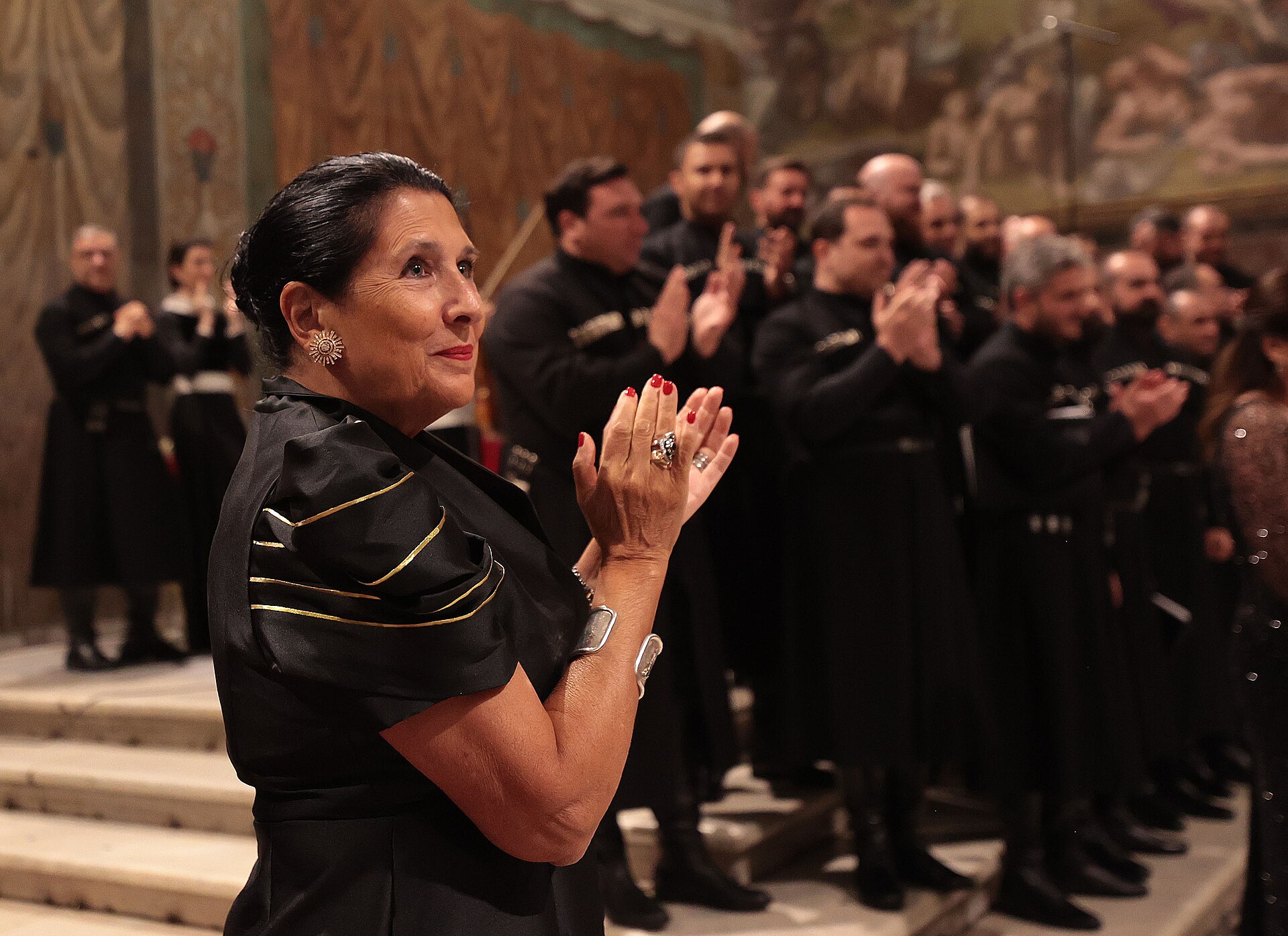
1. St Peter’s Basilica — monumental Renaissance and Baroque architecture, major artworks and extraordinary interior scale.
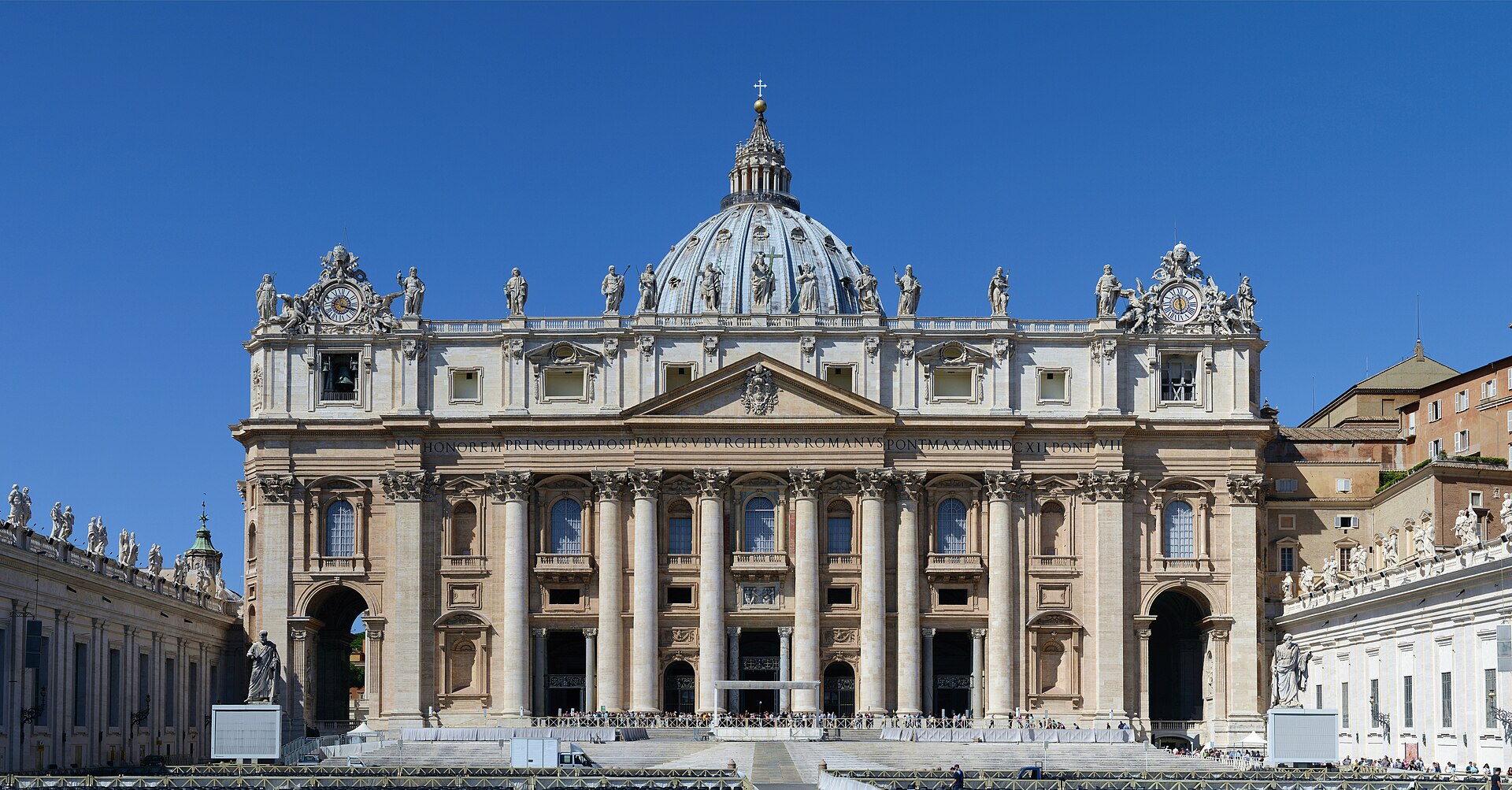
2. St Peter’s Square — Bernini’s colonnades, papal ceremony and one of Europe’s great urban spaces.
3. Vatican Museums — vast papal collections spanning antiquity, Renaissance art and global cultural material.
4. Sistine Chapel — Michelangelo’s ceiling and Last Judgment within a functioning sacred space.
5. Raphael Rooms — High Renaissance fresco cycles created for the papal apartments.
6. Gallery of Maps — a spectacular corridor of sixteenth-century cartographic frescoes.
7. Pio-Clementino Museum — major classical sculptures and grand museum architecture.
8. Vatican Pinacoteca — paintings by masters including Raphael, Leonardo and Caravaggio.
9. Gregorian Egyptian Museum — Egyptian antiquities and material connected to Rome’s long relationship with Egypt.
10. Gregorian Etruscan Museum — Etruscan objects, bronzes and archaeological material from pre-Roman Italy.
11. Collection of Contemporary Art — modern and contemporary religious and spiritual artworks.
12. Vatican Gardens — formal gardens, fountains, monuments and quieter spaces behind the public museums.
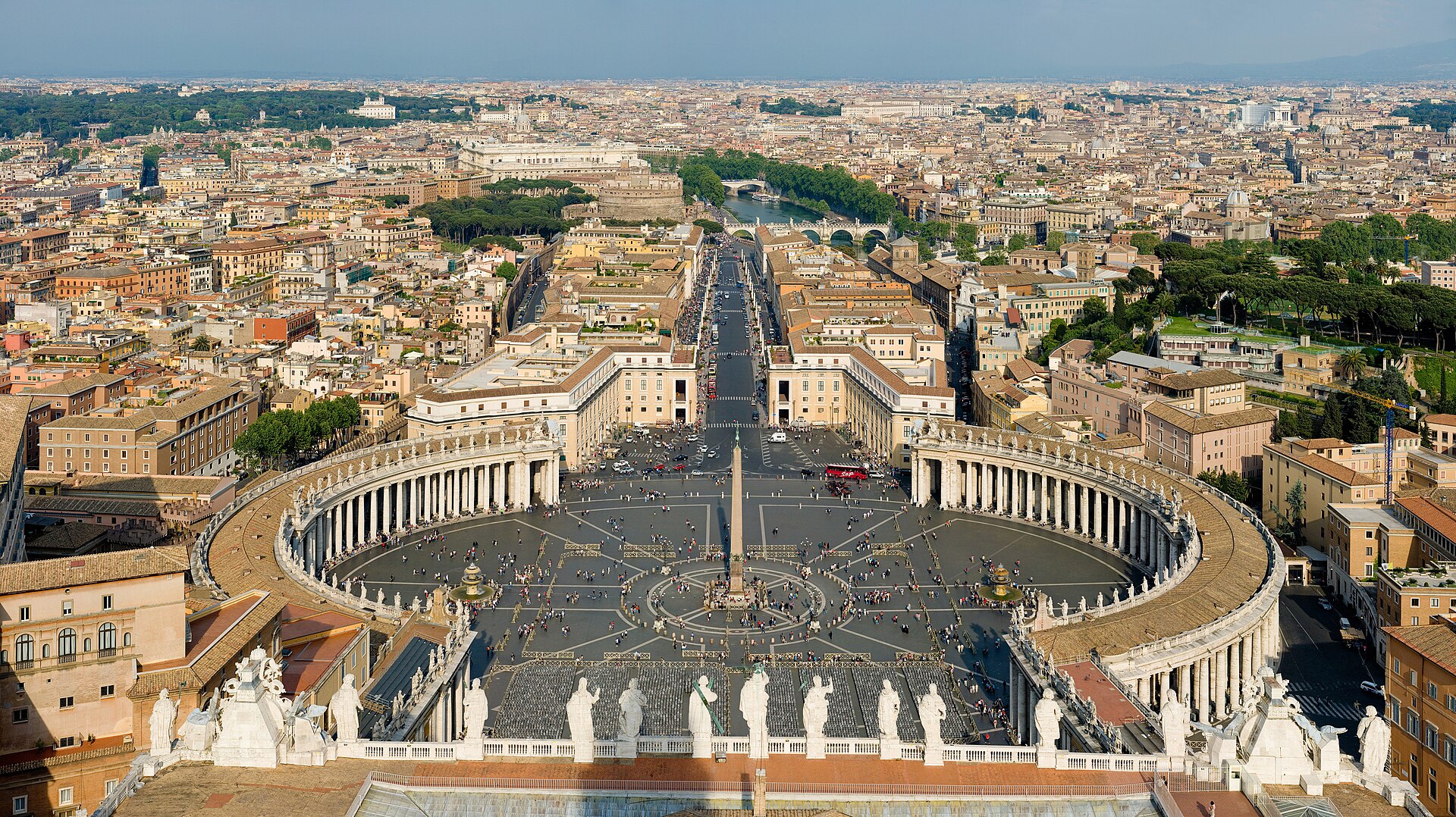
13. St Peter’s Dome — close-up views of the basilica’s architecture and extraordinary panoramas over Rome.
14. Vatican Necropolis and Scavi — archaeological remains, ancient tombs and traditions associated with St Peter.
15. Apostolic Palace and papal ceremonial spaces — the institutional heart of the Holy See and setting for major papal functions.
How to use this Vatican City destination guide
Start by choosing two or three anchor destinos that define the trip. Then add smaller places only when they fit naturally between those anchors. This approach protects time for walking, meals, local transport, weather changes and the unplanned discoveries that make travel memorable.
For each destination below, pay attention to three questions: what makes it distinct, how long it deserves, and what it connects naturally with. Those questions usually produce a better itinerary than counting landmarks.
1. St Peter’s Basilica
St Peter’s Basilica belongs on a serious Vatican City shortlist because of monumental Renaissance and Baroque architecture, major artworks and extraordinary interior scale. Located in Vatican City, it gives the journey a character that is difficult to reproduce elsewhere in the country. The central architectural experience of the vatican and a place that deserves time beyond a quick walk through the nave. The strongest visit combines the destination's headline sight or landscape with time spent walking beyond the busiest visitor route and noticing how the place functions when it is not being treated as a postcard.
What makes St Peter’s Basilica special
The value of St Peter’s Basilica comes from the relationship between setting, history and everyday life. Rather than arriving only for one photograph, begin with the feature that best expresses its identity—monumental Renaissance and Baroque architecture, major artworks and extraordinary interior scale—and then add a slower second layer. That might be a local museum, a market, a waterfront, a neighbourhood walk, a scenic path, a café district, a nearby village or simply enough unscheduled time to see the destination at a different pace.
Seeing St Peter’s Basilica at more than one time of day can make a major difference. Early morning often softens the pressure around famous viewpoints and old-town streets, while late afternoon and evening reveal how the atmosphere changes after excursion traffic begins to thin. If the place is often visited on a day trip, consider whether one overnight stay would give you a more complete experience.
How long to spend and how to plan it
For most travellers, St Peter’s Basilica deserves between a focused half-day and two full days, depending on whether it is a single stop or a regional base. Do not judge the stay only by the number of attractions. Arrival time, weather, meals, walking distance and the pleasure of simply being in a place all matter. If St Peter’s Basilica anchors travel through Vatican City, staying longer can reduce transport fatigue and create room for side trips.
Check local transport, seasonal access and opening information shortly before travelling rather than relying on an old itinerary. Reserve only genuinely capacity-limited experiences and leave the rest flexible. Drivers should confirm parking or access rules before entering historic centres; public-transport users should keep a buffer around the final connection of the day.
Who should prioritise St Peter’s Basilica
St Peter’s Basilica is especially rewarding for travellers interested in monumental Renaissance and Baroque architecture, major artworks and extraordinary interior scale. Couples may appreciate a slower evening, families can alternate formal sightseeing with open-air time, and solo travellers often benefit from walking routes, museums and locally run tours that add context without forcing a rigid schedule. The key is to match the pace to the place instead of treating every stop as an identical two-hour visit.
2. St Peter’s Square
St Peter’s Square belongs on a serious Vatican City shortlist because of Bernini’s colonnades, papal ceremony and one of Europe’s great urban spaces. Located in Vatican City, it gives the journey a character that is difficult to reproduce elsewhere in the country. The square is best understood as both architecture and a functioning ceremonial setting. The strongest visit combines the destination's headline sight or landscape with time spent walking beyond the busiest visitor route and noticing how the place functions when it is not being treated as a postcard.
What makes St Peter’s Square special
The value of St Peter’s Square comes from the relationship between setting, history and everyday life. Rather than arriving only for one photograph, begin with the feature that best expresses its identity—Bernini’s colonnades, papal ceremony and one of Europe’s great urban spaces—and then add a slower second layer. That might be a local museum, a market, a waterfront, a neighbourhood walk, a scenic path, a café district, a nearby village or simply enough unscheduled time to see the destination at a different pace.
Seeing St Peter’s Square at more than one time of day can make a major difference. Early morning often softens the pressure around famous viewpoints and old-town streets, while late afternoon and evening reveal how the atmosphere changes after excursion traffic begins to thin. If the place is often visited on a day trip, consider whether one overnight stay would give you a more complete experience.
How long to spend and how to plan it
For most travellers, St Peter’s Square deserves between a focused half-day and two full days, depending on whether it is a single stop or a regional base. Do not judge the stay only by the number of attractions. Arrival time, weather, meals, walking distance and the pleasure of simply being in a place all matter. If St Peter’s Square anchors travel through Vatican City, staying longer can reduce transport fatigue and create room for side trips.
Check local transport, seasonal access and opening information shortly before travelling rather than relying on an old itinerary. Reserve only genuinely capacity-limited experiences and leave the rest flexible. Drivers should confirm parking or access rules before entering historic centres; public-transport users should keep a buffer around the final connection of the day.
Who should prioritise St Peter’s Square
St Peter’s Square is especially rewarding for travellers interested in Bernini’s colonnades, papal ceremony and one of Europe’s great urban spaces. Couples may appreciate a slower evening, families can alternate formal sightseeing with open-air time, and solo travellers often benefit from walking routes, museums and locally run tours that add context without forcing a rigid schedule. The key is to match the pace to the place instead of treating every stop as an identical two-hour visit.
3. Vatican Museums
Vatican Museums belongs on a serious Vatican City shortlist because of vast papal collections spanning antiquity, Renaissance art and global cultural material. Located in Vatican City, it gives the journey a character that is difficult to reproduce elsewhere in the country. A major museum complex that requires advance planning and selective priorities. The strongest visit combines the destination's headline sight or landscape with time spent walking beyond the busiest visitor route and noticing how the place functions when it is not being treated as a postcard.
What makes Vatican Museums special
The value of Vatican Museums comes from the relationship between setting, history and everyday life. Rather than arriving only for one photograph, begin with the feature that best expresses its identity—vast papal collections spanning antiquity, Renaissance art and global cultural material—and then add a slower second layer. That might be a local museum, a market, a waterfront, a neighbourhood walk, a scenic path, a café district, a nearby village or simply enough unscheduled time to see the destination at a different pace.
Seeing Vatican Museums at more than one time of day can make a major difference. Early morning often softens the pressure around famous viewpoints and old-town streets, while late afternoon and evening reveal how the atmosphere changes after excursion traffic begins to thin. If the place is often visited on a day trip, consider whether one overnight stay would give you a more complete experience.
How long to spend and how to plan it
For most travellers, Vatican Museums deserves between a focused half-day and two full days, depending on whether it is a single stop or a regional base. Do not judge the stay only by the number of attractions. Arrival time, weather, meals, walking distance and the pleasure of simply being in a place all matter. If Vatican Museums anchors travel through Vatican City, staying longer can reduce transport fatigue and create room for side trips.
Check local transport, seasonal access and opening information shortly before travelling rather than relying on an old itinerary. Reserve only genuinely capacity-limited experiences and leave the rest flexible. Drivers should confirm parking or access rules before entering historic centres; public-transport users should keep a buffer around the final connection of the day.
Who should prioritise Vatican Museums
Vatican Museums is especially rewarding for travellers interested in vast papal collections spanning antiquity, Renaissance art and global cultural material. Couples may appreciate a slower evening, families can alternate formal sightseeing with open-air time, and solo travellers often benefit from walking routes, museums and locally run tours that add context without forcing a rigid schedule. The key is to match the pace to the place instead of treating every stop as an identical two-hour visit.
4. Sistine Chapel
Sistine Chapel belongs on a serious Vatican City shortlist because of Michelangelo’s ceiling and Last Judgment within a functioning sacred space. Located in Vatican Museums, it gives the journey a character that is difficult to reproduce elsewhere in the country. One of the world’s most famous interiors, best approached with context about its religious and artistic purpose. The strongest visit combines the destination's headline sight or landscape with time spent walking beyond the busiest visitor route and noticing how the place functions when it is not being treated as a postcard.
What makes Sistine Chapel special
The value of Sistine Chapel comes from the relationship between setting, history and everyday life. Rather than arriving only for one photograph, begin with the feature that best expresses its identity—Michelangelo’s ceiling and Last Judgment within a functioning sacred space—and then add a slower second layer. That might be a local museum, a market, a waterfront, a neighbourhood walk, a scenic path, a café district, a nearby village or simply enough unscheduled time to see the destination at a different pace.
Seeing Sistine Chapel at more than one time of day can make a major difference. Early morning often softens the pressure around famous viewpoints and old-town streets, while late afternoon and evening reveal how the atmosphere changes after excursion traffic begins to thin. If the place is often visited on a day trip, consider whether one overnight stay would give you a more complete experience.
How long to spend and how to plan it
For most travellers, Sistine Chapel deserves between a focused half-day and two full days, depending on whether it is a single stop or a regional base. Do not judge the stay only by the number of attractions. Arrival time, weather, meals, walking distance and the pleasure of simply being in a place all matter. If Sistine Chapel anchors travel through Vatican Museums, staying longer can reduce transport fatigue and create room for side trips.
Check local transport, seasonal access and opening information shortly before travelling rather than relying on an old itinerary. Reserve only genuinely capacity-limited experiences and leave the rest flexible. Drivers should confirm parking or access rules before entering historic centres; public-transport users should keep a buffer around the final connection of the day.
Who should prioritise Sistine Chapel
Sistine Chapel is especially rewarding for travellers interested in Michelangelo’s ceiling and Last Judgment within a functioning sacred space. Couples may appreciate a slower evening, families can alternate formal sightseeing with open-air time, and solo travellers often benefit from walking routes, museums and locally run tours that add context without forcing a rigid schedule. The key is to match the pace to the place instead of treating every stop as an identical two-hour visit.
5. Raphael Rooms
Raphael Rooms belongs on a serious Vatican City shortlist because of High Renaissance fresco cycles created for the papal apartments. Located in Vatican Museums, it gives the journey a character that is difficult to reproduce elsewhere in the country. An essential complement to the sistine chapel for visitors interested in renaissance painting. The strongest visit combines the destination's headline sight or landscape with time spent walking beyond the busiest visitor route and noticing how the place functions when it is not being treated as a postcard.
What makes Raphael Rooms special
The value of Raphael Rooms comes from the relationship between setting, history and everyday life. Rather than arriving only for one photograph, begin with the feature that best expresses its identity—High Renaissance fresco cycles created for the papal apartments—and then add a slower second layer. That might be a local museum, a market, a waterfront, a neighbourhood walk, a scenic path, a café district, a nearby village or simply enough unscheduled time to see the destination at a different pace.
Seeing Raphael Rooms at more than one time of day can make a major difference. Early morning often softens the pressure around famous viewpoints and old-town streets, while late afternoon and evening reveal how the atmosphere changes after excursion traffic begins to thin. If the place is often visited on a day trip, consider whether one overnight stay would give you a more complete experience.
How long to spend and how to plan it
For most travellers, Raphael Rooms deserves between a focused half-day and two full days, depending on whether it is a single stop or a regional base. Do not judge the stay only by the number of attractions. Arrival time, weather, meals, walking distance and the pleasure of simply being in a place all matter. If Raphael Rooms anchors travel through Vatican Museums, staying longer can reduce transport fatigue and create room for side trips.
Check local transport, seasonal access and opening information shortly before travelling rather than relying on an old itinerary. Reserve only genuinely capacity-limited experiences and leave the rest flexible. Drivers should confirm parking or access rules before entering historic centres; public-transport users should keep a buffer around the final connection of the day.
Who should prioritise Raphael Rooms
Raphael Rooms is especially rewarding for travellers interested in High Renaissance fresco cycles created for the papal apartments. Couples may appreciate a slower evening, families can alternate formal sightseeing with open-air time, and solo travellers often benefit from walking routes, museums and locally run tours that add context without forcing a rigid schedule. The key is to match the pace to the place instead of treating every stop as an identical two-hour visit.
6. Gallery of Maps
Gallery of Maps belongs on a serious Vatican City shortlist because of a spectacular corridor of sixteenth-century cartographic frescoes. Located in Vatican Museums, it gives the journey a character that is difficult to reproduce elsewhere in the country. One of the museum’s most memorable spaces and a fascinating intersection of art, geography and political imagination. The strongest visit combines the destination's headline sight or landscape with time spent walking beyond the busiest visitor route and noticing how the place functions when it is not being treated as a postcard.
What makes Gallery of Maps special
The value of Gallery of Maps comes from the relationship between setting, history and everyday life. Rather than arriving only for one photograph, begin with the feature that best expresses its identity—a spectacular corridor of sixteenth-century cartographic frescoes—and then add a slower second layer. That might be a local museum, a market, a waterfront, a neighbourhood walk, a scenic path, a café district, a nearby village or simply enough unscheduled time to see the destination at a different pace.
Seeing Gallery of Maps at more than one time of day can make a major difference. Early morning often softens the pressure around famous viewpoints and old-town streets, while late afternoon and evening reveal how the atmosphere changes after excursion traffic begins to thin. If the place is often visited on a day trip, consider whether one overnight stay would give you a more complete experience.
How long to spend and how to plan it
For most travellers, Gallery of Maps deserves between a focused half-day and two full days, depending on whether it is a single stop or a regional base. Do not judge the stay only by the number of attractions. Arrival time, weather, meals, walking distance and the pleasure of simply being in a place all matter. If Gallery of Maps anchors travel through Vatican Museums, staying longer can reduce transport fatigue and create room for side trips.
Check local transport, seasonal access and opening information shortly before travelling rather than relying on an old itinerary. Reserve only genuinely capacity-limited experiences and leave the rest flexible. Drivers should confirm parking or access rules before entering historic centres; public-transport users should keep a buffer around the final connection of the day.
Who should prioritise Gallery of Maps
Gallery of Maps is especially rewarding for travellers interested in a spectacular corridor of sixteenth-century cartographic frescoes. Couples may appreciate a slower evening, families can alternate formal sightseeing with open-air time, and solo travellers often benefit from walking routes, museums and locally run tours that add context without forcing a rigid schedule. The key is to match the pace to the place instead of treating every stop as an identical two-hour visit.
7. Pio-Clementino Museum
Pio-Clementino Museum belongs on a serious Vatican City shortlist because of major classical sculptures and grand museum architecture. Located in Vatican Museums, it gives the journey a character that is difficult to reproduce elsewhere in the country. A core section for understanding how papal collecting shaped european engagement with ancient art. The strongest visit combines the destination's headline sight or landscape with time spent walking beyond the busiest visitor route and noticing how the place functions when it is not being treated as a postcard.
What makes Pio-Clementino Museum special
The value of Pio-Clementino Museum comes from the relationship between setting, history and everyday life. Rather than arriving only for one photograph, begin with the feature that best expresses its identity—major classical sculptures and grand museum architecture—and then add a slower second layer. That might be a local museum, a market, a waterfront, a neighbourhood walk, a scenic path, a café district, a nearby village or simply enough unscheduled time to see the destination at a different pace.
Seeing Pio-Clementino Museum at more than one time of day can make a major difference. Early morning often softens the pressure around famous viewpoints and old-town streets, while late afternoon and evening reveal how the atmosphere changes after excursion traffic begins to thin. If the place is often visited on a day trip, consider whether one overnight stay would give you a more complete experience.
How long to spend and how to plan it
For most travellers, Pio-Clementino Museum deserves between a focused half-day and two full days, depending on whether it is a single stop or a regional base. Do not judge the stay only by the number of attractions. Arrival time, weather, meals, walking distance and the pleasure of simply being in a place all matter. If Pio-Clementino Museum anchors travel through Vatican Museums, staying longer can reduce transport fatigue and create room for side trips.
Check local transport, seasonal access and opening information shortly before travelling rather than relying on an old itinerary. Reserve only genuinely capacity-limited experiences and leave the rest flexible. Drivers should confirm parking or access rules before entering historic centres; public-transport users should keep a buffer around the final connection of the day.
Who should prioritise Pio-Clementino Museum
Pio-Clementino Museum is especially rewarding for travellers interested in major classical sculptures and grand museum architecture. Couples may appreciate a slower evening, families can alternate formal sightseeing with open-air time, and solo travellers often benefit from walking routes, museums and locally run tours that add context without forcing a rigid schedule. The key is to match the pace to the place instead of treating every stop as an identical two-hour visit.
8. Vatican Pinacoteca
Vatican Pinacoteca belongs on a serious Vatican City shortlist because of paintings by masters including Raphael, Leonardo and Caravaggio. Located in Vatican Museums, it gives the journey a character that is difficult to reproduce elsewhere in the country. Often calmer than the main museum route and especially rewarding for visitors focused on painting. The strongest visit combines the destination's headline sight or landscape with time spent walking beyond the busiest visitor route and noticing how the place functions when it is not being treated as a postcard.
What makes Vatican Pinacoteca special
The value of Vatican Pinacoteca comes from the relationship between setting, history and everyday life. Rather than arriving only for one photograph, begin with the feature that best expresses its identity—paintings by masters including Raphael, Leonardo and Caravaggio—and then add a slower second layer. That might be a local museum, a market, a waterfront, a neighbourhood walk, a scenic path, a café district, a nearby village or simply enough unscheduled time to see the destination at a different pace.
Seeing Vatican Pinacoteca at more than one time of day can make a major difference. Early morning often softens the pressure around famous viewpoints and old-town streets, while late afternoon and evening reveal how the atmosphere changes after excursion traffic begins to thin. If the place is often visited on a day trip, consider whether one overnight stay would give you a more complete experience.
How long to spend and how to plan it
For most travellers, Vatican Pinacoteca deserves between a focused half-day and two full days, depending on whether it is a single stop or a regional base. Do not judge the stay only by the number of attractions. Arrival time, weather, meals, walking distance and the pleasure of simply being in a place all matter. If Vatican Pinacoteca anchors travel through Vatican Museums, staying longer can reduce transport fatigue and create room for side trips.
Check local transport, seasonal access and opening information shortly before travelling rather than relying on an old itinerary. Reserve only genuinely capacity-limited experiences and leave the rest flexible. Drivers should confirm parking or access rules before entering historic centres; public-transport users should keep a buffer around the final connection of the day.
Who should prioritise Vatican Pinacoteca
Vatican Pinacoteca is especially rewarding for travellers interested in paintings by masters including Raphael, Leonardo and Caravaggio. Couples may appreciate a slower evening, families can alternate formal sightseeing with open-air time, and solo travellers often benefit from walking routes, museums and locally run tours that add context without forcing a rigid schedule. The key is to match the pace to the place instead of treating every stop as an identical two-hour visit.
9. Gregorian Egyptian Museum
Gregorian Egyptian Museum belongs on a serious Vatican City shortlist because of Egyptian antiquities and material connected to Rome’s long relationship with Egypt. Located in Vatican Museums, it gives the journey a character that is difficult to reproduce elsewhere in the country. A useful reminder that the vatican collections extend far beyond christian and renaissance art. The strongest visit combines the destination's headline sight or landscape with time spent walking beyond the busiest visitor route and noticing how the place functions when it is not being treated as a postcard.
What makes Gregorian Egyptian Museum special
The value of Gregorian Egyptian Museum comes from the relationship between setting, history and everyday life. Rather than arriving only for one photograph, begin with the feature that best expresses its identity—Egyptian antiquities and material connected to Rome’s long relationship with Egypt—and then add a slower second layer. That might be a local museum, a market, a waterfront, a neighbourhood walk, a scenic path, a café district, a nearby village or simply enough unscheduled time to see the destination at a different pace.
Seeing Gregorian Egyptian Museum at more than one time of day can make a major difference. Early morning often softens the pressure around famous viewpoints and old-town streets, while late afternoon and evening reveal how the atmosphere changes after excursion traffic begins to thin. If the place is often visited on a day trip, consider whether one overnight stay would give you a more complete experience.
How long to spend and how to plan it
For most travellers, Gregorian Egyptian Museum deserves between a focused half-day and two full days, depending on whether it is a single stop or a regional base. Do not judge the stay only by the number of attractions. Arrival time, weather, meals, walking distance and the pleasure of simply being in a place all matter. If Gregorian Egyptian Museum anchors travel through Vatican Museums, staying longer can reduce transport fatigue and create room for side trips.
Check local transport, seasonal access and opening information shortly before travelling rather than relying on an old itinerary. Reserve only genuinely capacity-limited experiences and leave the rest flexible. Drivers should confirm parking or access rules before entering historic centres; public-transport users should keep a buffer around the final connection of the day.
Who should prioritise Gregorian Egyptian Museum
Gregorian Egyptian Museum is especially rewarding for travellers interested in Egyptian antiquities and material connected to Rome’s long relationship with Egypt. Couples may appreciate a slower evening, families can alternate formal sightseeing with open-air time, and solo travellers often benefit from walking routes, museums and locally run tours that add context without forcing a rigid schedule. The key is to match the pace to the place instead of treating every stop as an identical two-hour visit.
10. Gregorian Etruscan Museum
Gregorian Etruscan Museum belongs on a serious Vatican City shortlist because of Etruscan objects, bronzes and archaeological material from pre-Roman Italy. Located in Vatican Museums, it gives the journey a character that is difficult to reproduce elsewhere in the country. One of the best sections for adding deeper italian archaeological context. The strongest visit combines the destination's headline sight or landscape with time spent walking beyond the busiest visitor route and noticing how the place functions when it is not being treated as a postcard.
What makes Gregorian Etruscan Museum special
The value of Gregorian Etruscan Museum comes from the relationship between setting, history and everyday life. Rather than arriving only for one photograph, begin with the feature that best expresses its identity—Etruscan objects, bronzes and archaeological material from pre-Roman Italy—and then add a slower second layer. That might be a local museum, a market, a waterfront, a neighbourhood walk, a scenic path, a café district, a nearby village or simply enough unscheduled time to see the destination at a different pace.
Seeing Gregorian Etruscan Museum at more than one time of day can make a major difference. Early morning often softens the pressure around famous viewpoints and old-town streets, while late afternoon and evening reveal how the atmosphere changes after excursion traffic begins to thin. If the place is often visited on a day trip, consider whether one overnight stay would give you a more complete experience.
How long to spend and how to plan it
For most travellers, Gregorian Etruscan Museum deserves between a focused half-day and two full days, depending on whether it is a single stop or a regional base. Do not judge the stay only by the number of attractions. Arrival time, weather, meals, walking distance and the pleasure of simply being in a place all matter. If Gregorian Etruscan Museum anchors travel through Vatican Museums, staying longer can reduce transport fatigue and create room for side trips.
Check local transport, seasonal access and opening information shortly before travelling rather than relying on an old itinerary. Reserve only genuinely capacity-limited experiences and leave the rest flexible. Drivers should confirm parking or access rules before entering historic centres; public-transport users should keep a buffer around the final connection of the day.
Who should prioritise Gregorian Etruscan Museum
Gregorian Etruscan Museum is especially rewarding for travellers interested in Etruscan objects, bronzes and archaeological material from pre-Roman Italy. Couples may appreciate a slower evening, families can alternate formal sightseeing with open-air time, and solo travellers often benefit from walking routes, museums and locally run tours that add context without forcing a rigid schedule. The key is to match the pace to the place instead of treating every stop as an identical two-hour visit.
11. Collection of Contemporary Art
Collection of Contemporary Art belongs on a serious Vatican City shortlist because of modern and contemporary religious and spiritual artworks. Located in Vatican Museums, it gives the journey a character that is difficult to reproduce elsewhere in the country. A surprising counterpoint to the historic collections and an excellent way to avoid seeing the vatican only through the renaissance. The strongest visit combines the destination's headline sight or landscape with time spent walking beyond the busiest visitor route and noticing how the place functions when it is not being treated as a postcard.
What makes Collection of Contemporary Art special
The value of Collection of Contemporary Art comes from the relationship between setting, history and everyday life. Rather than arriving only for one photograph, begin with the feature that best expresses its identity—modern and contemporary religious and spiritual artworks—and then add a slower second layer. That might be a local museum, a market, a waterfront, a neighbourhood walk, a scenic path, a café district, a nearby village or simply enough unscheduled time to see the destination at a different pace.
Seeing Collection of Contemporary Art at more than one time of day can make a major difference. Early morning often softens the pressure around famous viewpoints and old-town streets, while late afternoon and evening reveal how the atmosphere changes after excursion traffic begins to thin. If the place is often visited on a day trip, consider whether one overnight stay would give you a more complete experience.
How long to spend and how to plan it
For most travellers, Collection of Contemporary Art deserves between a focused half-day and two full days, depending on whether it is a single stop or a regional base. Do not judge the stay only by the number of attractions. Arrival time, weather, meals, walking distance and the pleasure of simply being in a place all matter. If Collection of Contemporary Art anchors travel through Vatican Museums, staying longer can reduce transport fatigue and create room for side trips.
Check local transport, seasonal access and opening information shortly before travelling rather than relying on an old itinerary. Reserve only genuinely capacity-limited experiences and leave the rest flexible. Drivers should confirm parking or access rules before entering historic centres; public-transport users should keep a buffer around the final connection of the day.
Who should prioritise Collection of Contemporary Art
Collection of Contemporary Art is especially rewarding for travellers interested in modern and contemporary religious and spiritual artworks. Couples may appreciate a slower evening, families can alternate formal sightseeing with open-air time, and solo travellers often benefit from walking routes, museums and locally run tours that add context without forcing a rigid schedule. The key is to match the pace to the place instead of treating every stop as an identical two-hour visit.
12. Vatican Gardens
Vatican Gardens belongs on a serious Vatican City shortlist because of formal gardens, fountains, monuments and quieter spaces behind the public museums. Located in Vatican City, it gives the journey a character that is difficult to reproduce elsewhere in the country. A guided visit offers a rare sense of the vatican as a lived-in sovereign territory rather than only a museum complex. The strongest visit combines the destination's headline sight or landscape with time spent walking beyond the busiest visitor route and noticing how the place functions when it is not being treated as a postcard.
What makes Vatican Gardens special
The value of Vatican Gardens comes from the relationship between setting, history and everyday life. Rather than arriving only for one photograph, begin with the feature that best expresses its identity—formal gardens, fountains, monuments and quieter spaces behind the public museums—and then add a slower second layer. That might be a local museum, a market, a waterfront, a neighbourhood walk, a scenic path, a café district, a nearby village or simply enough unscheduled time to see the destination at a different pace.
Seeing Vatican Gardens at more than one time of day can make a major difference. Early morning often softens the pressure around famous viewpoints and old-town streets, while late afternoon and evening reveal how the atmosphere changes after excursion traffic begins to thin. If the place is often visited on a day trip, consider whether one overnight stay would give you a more complete experience.
How long to spend and how to plan it
For most travellers, Vatican Gardens deserves between a focused half-day and two full days, depending on whether it is a single stop or a regional base. Do not judge the stay only by the number of attractions. Arrival time, weather, meals, walking distance and the pleasure of simply being in a place all matter. If Vatican Gardens anchors travel through Vatican City, staying longer can reduce transport fatigue and create room for side trips.
Check local transport, seasonal access and opening information shortly before travelling rather than relying on an old itinerary. Reserve only genuinely capacity-limited experiences and leave the rest flexible. Drivers should confirm parking or access rules before entering historic centres; public-transport users should keep a buffer around the final connection of the day.
Who should prioritise Vatican Gardens
Vatican Gardens is especially rewarding for travellers interested in formal gardens, fountains, monuments and quieter spaces behind the public museums. Couples may appreciate a slower evening, families can alternate formal sightseeing with open-air time, and solo travellers often benefit from walking routes, museums and locally run tours that add context without forcing a rigid schedule. The key is to match the pace to the place instead of treating every stop as an identical two-hour visit.
13. St Peter’s Dome
St Peter’s Dome belongs on a serious Vatican City shortlist because of close-up views of the basilica’s architecture and extraordinary panoramas over Rome. Located in St Peter’s Basilica, it gives the journey a character that is difficult to reproduce elsewhere in the country. The climb is physically demanding but provides the clearest spatial understanding of the basilica and the tiny state around it. The strongest visit combines the destination's headline sight or landscape with time spent walking beyond the busiest visitor route and noticing how the place functions when it is not being treated as a postcard.
What makes St Peter’s Dome special
The value of St Peter’s Dome comes from the relationship between setting, history and everyday life. Rather than arriving only for one photograph, begin with the feature that best expresses its identity—close-up views of the basilica’s architecture and extraordinary panoramas over Rome—and then add a slower second layer. That might be a local museum, a market, a waterfront, a neighbourhood walk, a scenic path, a café district, a nearby village or simply enough unscheduled time to see the destination at a different pace.
Seeing St Peter’s Dome at more than one time of day can make a major difference. Early morning often softens the pressure around famous viewpoints and old-town streets, while late afternoon and evening reveal how the atmosphere changes after excursion traffic begins to thin. If the place is often visited on a day trip, consider whether one overnight stay would give you a more complete experience.
How long to spend and how to plan it
For most travellers, St Peter’s Dome deserves between a focused half-day and two full days, depending on whether it is a single stop or a regional base. Do not judge the stay only by the number of attractions. Arrival time, weather, meals, walking distance and the pleasure of simply being in a place all matter. If St Peter’s Dome anchors travel through St Peter’s Basilica, staying longer can reduce transport fatigue and create room for side trips.
Check local transport, seasonal access and opening information shortly before travelling rather than relying on an old itinerary. Reserve only genuinely capacity-limited experiences and leave the rest flexible. Drivers should confirm parking or access rules before entering historic centres; public-transport users should keep a buffer around the final connection of the day.
Who should prioritise St Peter’s Dome
St Peter’s Dome is especially rewarding for travellers interested in close-up views of the basilica’s architecture and extraordinary panoramas over Rome. Couples may appreciate a slower evening, families can alternate formal sightseeing with open-air time, and solo travellers often benefit from walking routes, museums and locally run tours that add context without forcing a rigid schedule. The key is to match the pace to the place instead of treating every stop as an identical two-hour visit.
14. Vatican Necropolis and Scavi
Vatican Necropolis and Scavi belongs on a serious Vatican City shortlist because of archaeological remains, ancient tombs and traditions associated with St Peter. Located in beneath St Peter’s Basilica, it gives the journey a character that is difficult to reproduce elsewhere in the country. A limited-access experience that adds exceptional historical depth for visitors able to secure a reservation. The strongest visit combines the destination's headline sight or landscape with time spent walking beyond the busiest visitor route and noticing how the place functions when it is not being treated as a postcard.
What makes Vatican Necropolis and Scavi special
The value of Vatican Necropolis and Scavi comes from the relationship between setting, history and everyday life. Rather than arriving only for one photograph, begin with the feature that best expresses its identity—archaeological remains, ancient tombs and traditions associated with St Peter—and then add a slower second layer. That might be a local museum, a market, a waterfront, a neighbourhood walk, a scenic path, a café district, a nearby village or simply enough unscheduled time to see the destination at a different pace.
Seeing Vatican Necropolis and Scavi at more than one time of day can make a major difference. Early morning often softens the pressure around famous viewpoints and old-town streets, while late afternoon and evening reveal how the atmosphere changes after excursion traffic begins to thin. If the place is often visited on a day trip, consider whether one overnight stay would give you a more complete experience.
How long to spend and how to plan it
For most travellers, Vatican Necropolis and Scavi deserves between a focused half-day and two full days, depending on whether it is a single stop or a regional base. Do not judge the stay only by the number of attractions. Arrival time, weather, meals, walking distance and the pleasure of simply being in a place all matter. If Vatican Necropolis and Scavi anchors travel through beneath St Peter’s Basilica, staying longer can reduce transport fatigue and create room for side trips.
Check local transport, seasonal access and opening information shortly before travelling rather than relying on an old itinerary. Reserve only genuinely capacity-limited experiences and leave the rest flexible. Drivers should confirm parking or access rules before entering historic centres; public-transport users should keep a buffer around the final connection of the day.
Who should prioritise Vatican Necropolis and Scavi
Vatican Necropolis and Scavi is especially rewarding for travellers interested in archaeological remains, ancient tombs and traditions associated with St Peter. Couples may appreciate a slower evening, families can alternate formal sightseeing with open-air time, and solo travellers often benefit from walking routes, museums and locally run tours that add context without forcing a rigid schedule. The key is to match the pace to the place instead of treating every stop as an identical two-hour visit.
15. Apostolic Palace and papal ceremonial spaces
Apostolic Palace and papal ceremonial spaces belongs on a serious Vatican City shortlist because of the institutional heart of the Holy See and setting for major papal functions. Located in Vatican City, it gives the journey a character that is difficult to reproduce elsewhere in the country. Even where access is restricted, understanding these spaces helps explain how the vatican operates as both sacred centre and sovereign state. The strongest visit combines the destination's headline sight or landscape with time spent walking beyond the busiest visitor route and noticing how the place functions when it is not being treated as a postcard.
What makes Apostolic Palace and papal ceremonial spaces special
The value of Apostolic Palace and papal ceremonial spaces comes from the relationship between setting, history and everyday life. Rather than arriving only for one photograph, begin with the feature that best expresses its identity—the institutional heart of the Holy See and setting for major papal functions—and then add a slower second layer. That might be a local museum, a market, a waterfront, a neighbourhood walk, a scenic path, a café district, a nearby village or simply enough unscheduled time to see the destination at a different pace.
Seeing Apostolic Palace and papal ceremonial spaces at more than one time of day can make a major difference. Early morning often softens the pressure around famous viewpoints and old-town streets, while late afternoon and evening reveal how the atmosphere changes after excursion traffic begins to thin. If the place is often visited on a day trip, consider whether one overnight stay would give you a more complete experience.
How long to spend and how to plan it
For most travellers, Apostolic Palace and papal ceremonial spaces deserves between a focused half-day and two full days, depending on whether it is a single stop or a regional base. Do not judge the stay only by the number of attractions. Arrival time, weather, meals, walking distance and the pleasure of simply being in a place all matter. If Apostolic Palace and papal ceremonial spaces anchors travel through Vatican City, staying longer can reduce transport fatigue and create room for side trips.
Check local transport, seasonal access and opening information shortly before travelling rather than relying on an old itinerary. Reserve only genuinely capacity-limited experiences and leave the rest flexible. Drivers should confirm parking or access rules before entering historic centres; public-transport users should keep a buffer around the final connection of the day.
Who should prioritise Apostolic Palace and papal ceremonial spaces
Apostolic Palace and papal ceremonial spaces is especially rewarding for travellers interested in the institutional heart of the Holy See and setting for major papal functions. Couples may appreciate a slower evening, families can alternate formal sightseeing with open-air time, and solo travellers often benefit from walking routes, museums and locally run tours that add context without forcing a rigid schedule. The key is to match the pace to the place instead of treating every stop as an identical two-hour visit.
Choosing the right places for your first trip to Vatican City
A first trip works best with variety rather than quantity. Choose one major city, one smaller historic place and one landscape-focused destination. That combination usually shows more of Vatican City than racing through several cities that offer similar museums, squares and evening routines.
Geographic logic matters just as much as fame. Two excellent places that are close together often produce a stronger journey than two headline destinos at opposite ends of the country. Long transfer days consume the same daylight you hoped to spend exploring.
Best places in Vatican City for culture and history
For museums, architecture and historical depth, begin with the major urban and heritage destinos in this list. The strongest cultural stops are the ones where the past is visible both inside institutions and in the street itself. Pair one major museum, monument or historic complex with ordinary neighbourhood time so history does not feel detached from the present.
Best places in Vatican City for scenery and outdoor travel
Landscape-focused destinos are most rewarding when treated as experiences rather than backdrops. Weather, season, altitude and daylight can change what is realistic, so avoid building a route in which every mountain, lake or coastal day must work perfectly. A flexible schedule is part of good outdoor planning, not a sign that the plan is incomplete.
Best places in Vatican City for food and local atmosphere
Food is one of the easiest ways to understand regional differences. Instead of searching only for a single national dish, notice how menus and ingredients change as you move between destinos. Markets, bakeries, casual lunch spots and regional producers can be as revealing as formal restaurants, especially when you ask what is seasonal or locally typical.
How to avoid turning Vatican City into a checklist
Protect one unstructured block of time in every full day. Do not assign a monument, museum or reservation to every hour. The unscheduled period is often when a trip becomes personal: a street you had not planned to walk, a viewpoint discovered by accident, a longer lunch, a local event or a conversation that changes the rest of the day.
Moving between the best places in Vatican City
Choose transport according to the route rather than by habit. Rail is often ideal between major cities, while regional buses may be better for smaller towns. A car becomes valuable when the itinerary depends on dispersed landscapes, rural accommodation or places with weak public transport. In dense historic cities, the same car can become an inconvenience rather than an advantage.
When to visit Vatican City's top destinos
Season changes not only weather but also the character of a destination. Spring and autumn often reward city walking and cultural travel; summer expands daylight and seasonal access but can increase pressure on famous places; winter can make museums and city breaks calmer while transforming mountain regions. Choose the season based on the places that matter most to you rather than a generic national average.
Responsible travel in Vatican City
Popular destinos work better when visitors remember that they are also homes, workplaces and living landscapes. Keep noise low in residential streets, respect religious and memorial spaces, stay on marked routes in fragile natural areas, and follow local rules about swimming, fires, drones and waste. Spending with local accommodation, guides, restaurants and producers can also spread the benefit of tourism beyond the most visible attractions.
Frequently asked questions about the best places in Vatican City
How many places should I visit on one trip to Vatican City?
For a one-week trip, three or four bases are usually enough. With ten to fourteen days, five or six can work if the route is geographically coherent. More stops are possible, but every hotel change has a cost in packing, checking out, transport and orientation.
Should I visit only the famous places?
No. Famous destinos are famous for reasons, but the strongest route usually combines them with at least one smaller city, rural area or landscape. That contrast helps you understand the country rather than only its tourism icons.
Is it better to stay overnight or make day trips?
Stay overnight when the destination changes meaningfully in the evening or early morning, when transport connections are tiring, or when nearby places justify using it as a base. Day trips are useful for concentrated sites that do not need an evening experience.
How far ahead should I plan?
Reserve genuinely capacity-limited experiences and high-demand accommodation early, especially around festivals and peak seasons. Keep ordinary sightseeing flexible whenever possible. A trip should have structure without becoming a sequence of appointments.
What is the biggest planning mistake?
Trying to maximise the number of destinos instead of the quality of the route. Long transfers, repeated packing and constant check-ins can make a technically ambitious itinerary feel surprisingly shallow.
Sources and further reading
The links below are starting points for checking official destination information, protected heritage and practical updates. Time-sensitive details such as opening hours, transport schedules, reservation systems and access rules should always be rechecked shortly before travel.
- Vatican Museums
- UNESCO World Heritage — Vatican City
- Vatican official site
- Vatican Museums
- Vatican City State
- Vatican Library
- Vatican Observatory
- Pontifical Academy of Sciences
- St Peter's Basilica
- Vatican News
- Vatican Philatelic and Numismatic Office
- UNESCO — Vatican City
Continue exploring Vatican City on Videuro
For geography, history, culture, cities, science and broader context, return to the complete Vatican City travel guide. The third article in this country series will focus on building a practical seven-day journey without duplicating this destination guide.