Albania rewards travellers who look beyond a short list of landmarks. The country combines the Adriatic and Ionian coasts, the Albanian Alps, central lowlands, the Vjosa valley, Lake Ohrid and Lake Prespa, and those landscapes help explain settlement, architecture, food, transport and regional identity. A well-planned journey therefore mixes at least one major city with smaller towns and a landscape region rather than treating the capital as the whole country.
This Videuro guide is designed as a country-level hub. It connects history, culture, science, famous people, practical travel and deeper destination notes so future city, region, map and video pages can link back to one substantial reference article.
Albania με μια ματιά
The capital is Tirana, the main language context is Albanian, and the currency is Albanian lek (ALL). Major urban anchors include Tirana, Berat, Gjirokastër, Shkodër, Korçë, Vlorë and Sarandë. These facts are useful, but they become meaningful only when connected with regional landscapes and historical development.
A first visit works best when it contrasts different parts of the country. Pair Tirana with one smaller city, then add a landscape that changes the pace completely. This creates a more readable journey and reduces the temptation to spend the whole trip moving between famous sights.
Geography and natural character
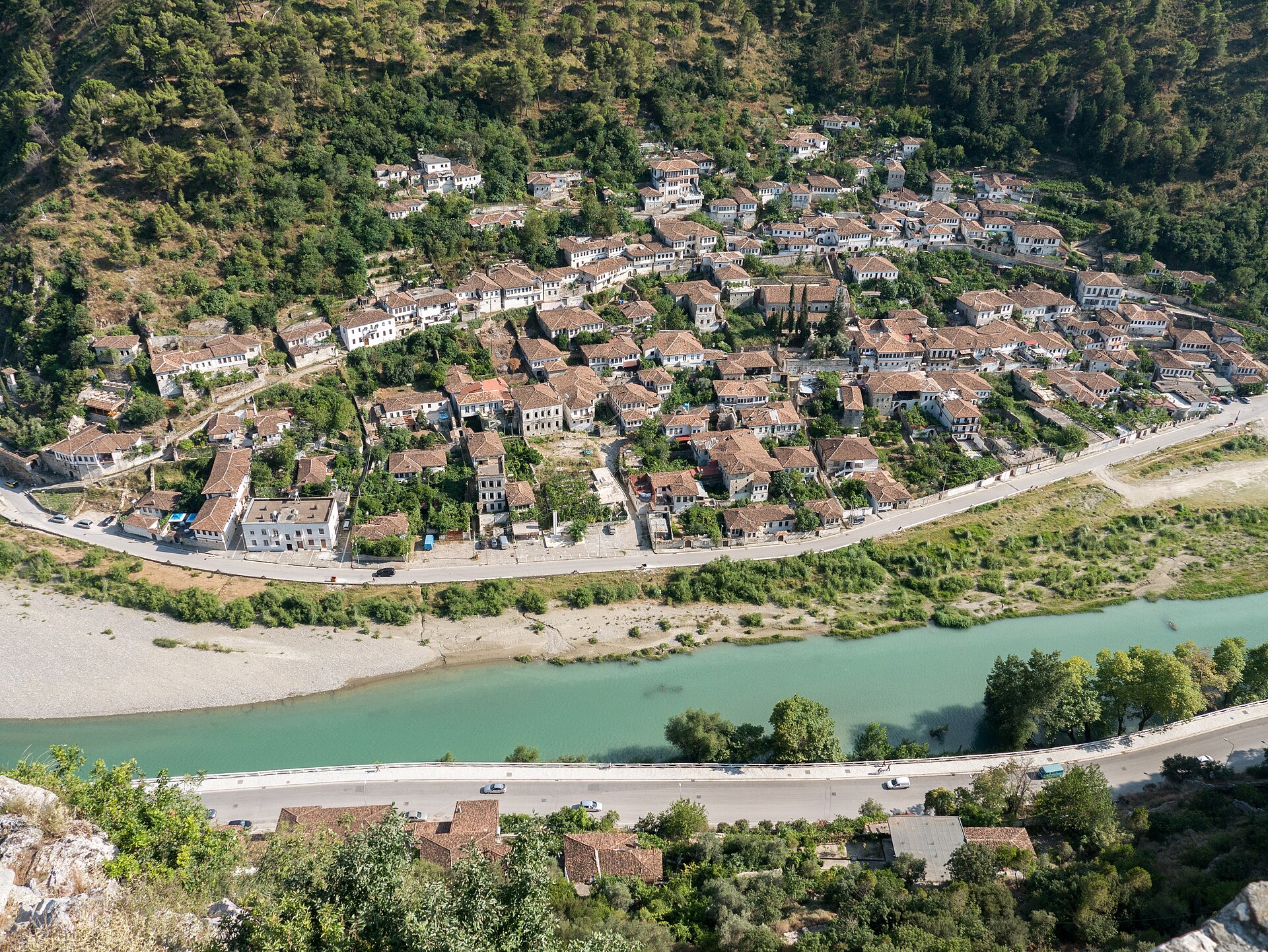
The defining physical settings include the Adriatic and Ionian coasts, the Albanian Alps, central lowlands, the Vjosa valley, Lake Ohrid and Lake Prespa. Geography shapes where cities grew, which roads became important, where agriculture concentrated and how regional cultures developed. Mountain barriers, river corridors, coasts, islands and fertile plains each create different patterns of settlement and trade.
Distances on a map do not always predict travel time. Mountain roads, seasonal ferry schedules, protected landscapes and urban congestion can make a short route slower than expected, while a well-connected rail or motorway corridor can make distant cities surprisingly easy to combine. Build the itinerary around terrain and transport rather than around a fixed number of attractions.
Climate should also be read regionally. Elevation, distance from the sea, prevailing winds and continental influence can produce strong local differences. Travellers should use a current forecast for each region instead of assuming that one national forecast represents the whole country.
Nature travel is most rewarding when visitors check current conditions, protected-area rules, ferry or road schedules and daylight. Stay on marked paths where required, respect fire restrictions, carry out waste and follow local guidance in exposed mountain, coastal or remote areas.
Historical overview
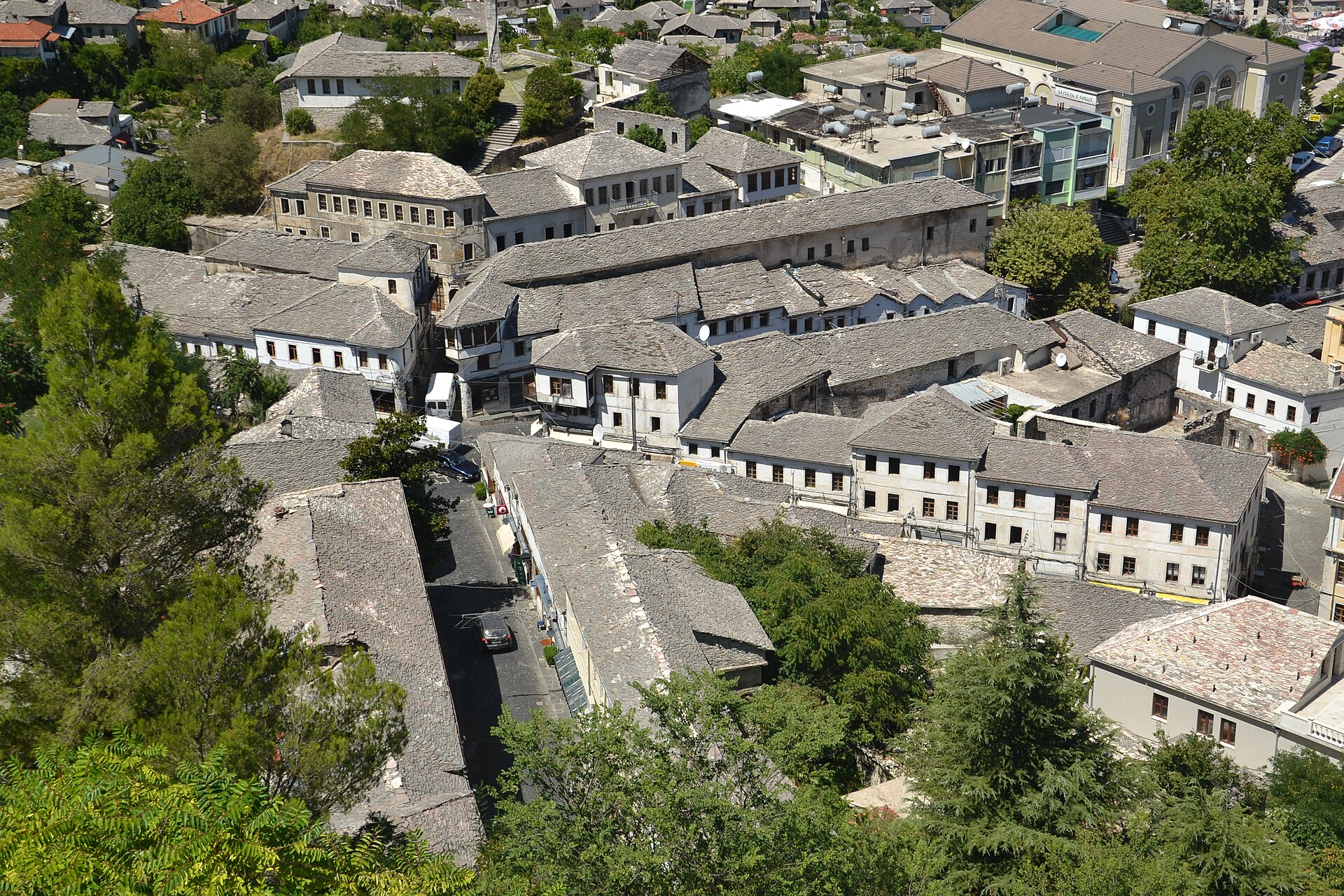
The long historical arc includes Illyrian and Roman periods; Byzantine and medieval states; Ottoman rule; independence in 1912; twentieth-century dictatorship; democratic transition after 1990. These periods remain visible in fortifications, religious buildings, civic architecture, museums, monuments, industrial districts and patterns of language and regional identity.
History is easiest to absorb when a museum or heritage site is paired with the surrounding city or landscape. Read first, then walk the old quarter, port, monastery, battlefield, market or industrial zone that the exhibition explains. This turns dates into spatial memory and makes the next destination easier to understand.
Difficult modern history deserves careful language. Memorials and conflict sites should be treated as places of learning rather than theatrical backdrops. Where borders, identities or sovereignty are contested, use precise wording and consult primary or official sources for the current situation.
Government and civic structure
For an evergreen travel guide, the most useful civic information is structural rather than partisan: how national and local authorities divide responsibilities, how municipalities shape transport and public space, and where official sources publish current rules. Officeholders and short-term political disputes can change quickly, so they should be verified close to publication rather than frozen into a long-lived guide.
Parliament buildings, municipal halls, courts, ministries and former royal or administrative sites can also be read as architecture. Even when interiors are not open, their locations reveal how capitals expanded and how state institutions represent themselves in urban space.
Economy and modern life
The contemporary economy includes services, construction, agriculture, hydropower, tourism, textiles and a growing digital sector. These sectors are visible in working ports, business districts, factories, universities, farms, markets, transport corridors and new development areas. Travellers who notice these spaces see a country as a living economy rather than only as a collection of preserved monuments.
A city becomes more interesting when the itinerary reaches beyond the historic centre. University districts, railway stations, modern libraries, industrial conversions and neighbourhood markets often explain current society better than another landmark. They also show how younger generations use the city.
Tourism itself can be a major local industry. Travelling outside peak weeks, staying longer, using locally owned businesses and adding secondary towns or rural areas can spread spending more evenly and create a more varied experience.
Culture, language and identity
The main language setting is Albanian. Even where English is common in tourism, learning greetings and place-name pronunciation improves interactions and signals respect. Γλώσσα also carries humour, memory and regional identity, so it should be treated as part of the destination rather than as a practical obstacle.
Culture is easiest to understand through ordinary life: markets, bakeries, cafés, public transport, sport, festivals, libraries, parks and neighbourhood streets. Observe when a city becomes busy, how public space is used and how food changes between regions. These everyday details often stay in memory longer than formal sightseeing.
Traditional culture should not be treated as costume. Religious ceremonies, minority traditions, folk festivals and local dress may carry deep community meaning. Ask before close photography, follow rules in sacred spaces and avoid assuming one region represents the entire country.
Cities to build a trip around
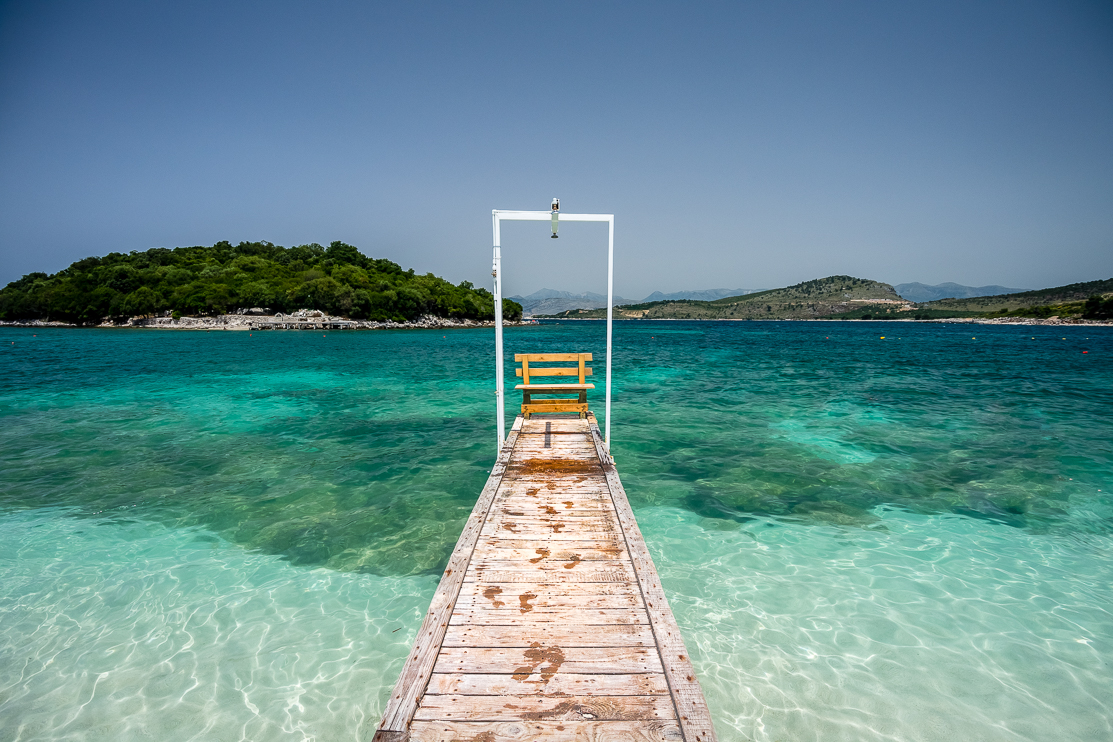
Important urban centres include Tirana, Berat, Gjirokastër, Shkodër, Korçë, Vlorë and Sarandë. A first journey does not need all of them. Choose one major national centre, one contrasting regional city and one landscape base. That gives variety without constant packing and transport.
Stay long enough to see more than the postcard centre. Early mornings and evenings are ideal for old towns, while midday can be used for museums, markets or newer districts. Accommodation just outside the busiest tourist core often gives a better balance of walkability and local atmosphere.
Modern architecture deserves attention too. Railway stations, postwar housing, contemporary museums and adaptive-reuse projects tell the story of industrialisation, reconstruction and changing social policy. A city is most interesting when its older and newer layers are read together.
Best places to visit
A strong first list includes Berat, Gjirokastër, Butrint, Albanian Alps, Lake Ohrid, Shkodër, Vjosa Valley, Riviera. These places are well known for good reasons, but timing and context determine whether the visit feels meaningful or rushed.
For major monuments, use official timed-entry systems where available. For landscapes, allow enough time to walk rather than simply reach the viewpoint. In historic towns, move one or two streets beyond the main visitor route to see ordinary urban life.
Balance city and nature. If several days are museum-heavy, add a coast, lake, vineyard, forest or mountain area. If the trip is mostly outdoors, include at least one major city to understand contemporary culture. Alternating these experiences prevents travel fatigue.
UNESCO heritage and protected culture
UNESCO inscriptions and nationally protected sites are useful starting points, but status should be treated as an invitation to understand why a place matters rather than as a ranking of all worthwhile προορισμοί. Read the official inscription summary before arrival and note whether the recognition concerns architecture, urban form, archaeology, biodiversity or living traditions.
Intangible heritage matters too. Music, craft, foodways, oral traditions and seasonal rituals often connect past and present more effectively than static monuments. When these traditions are living community practices, visitors should participate respectfully rather than treating them as performances staged only for tourists.
Food and regional taste
Food in Albania is best approached regionally. Climate, religion, trade routes, farming and migration shape ingredients and techniques, so a dish described as national may be especially associated with one province, valley, coast or city.
Markets are excellent starting points because they show seasonality and local production. Visit early, look at breads, cheeses, produce, preserves and drinks, and ask where products come from. Contemporary restaurants often reinterpret older recipes rather than simply reproduce them.
Dietary restrictions are easier to manage when travellers learn a few precise phrases and ask about ingredients directly. In smaller towns, menus may be less standardised than in capitals, but staff can often explain dishes if the question is clear and respectful.
Science, invention and intellectual history
Science and scholarship are part of Albania's story rather than an optional footnote. The figures below connect the country or its wider cultural history with research, engineering, medicine, language and intellectual life. Each name is linked for deeper reading.
Sabiha Kasimati
Albanian ichthyologist and one of the country's pioneering women scientists.
To turn biography into travel, look for universities, laboratories, observatories, museums, archives or memorial places associated with Sabiha Kasimati. The point is not simply to collect famous names but to connect intellectual history with real institutions and neighbourhoods.
Ferid Murad
American pharmacologist of Albanian heritage who shared the 1998 Nobel Prize in Physiology or Medicine.
To turn biography into travel, look for universities, laboratories, observatories, museums, archives or memorial places associated with Ferid Murad. The point is not simply to collect famous names but to connect intellectual history with real institutions and neighbourhoods.
Eqrem Çabej
Linguist whose research on the Albanian language became foundational to modern Albanology.
To turn biography into travel, look for universities, laboratories, observatories, museums, archives or memorial places associated with Eqrem Çabej. The point is not simply to collect famous names but to connect intellectual history with real institutions and neighbourhoods.
Gjon Gazulli
Fifteenth-century Albanian humanist, astronomer and diplomat.
To turn biography into travel, look for universities, laboratories, observatories, museums, archives or memorial places associated with Gjon Gazulli. The point is not simply to collect famous names but to connect intellectual history with real institutions and neighbourhoods.
Aleks Buda
Historian and academic important to the development of historical scholarship in Albania.
To turn biography into travel, look for universities, laboratories, observatories, museums, archives or memorial places associated with Aleks Buda. The point is not simply to collect famous names but to connect intellectual history with real institutions and neighbourhoods.
Kostandin Kristoforidhi
Nineteenth-century linguist and translator who contributed to the study and standardisation of Albanian.
To turn biography into travel, look for universities, laboratories, observatories, museums, archives or memorial places associated with Kostandin Kristoforidhi. The point is not simply to collect famous names but to connect intellectual history with real institutions and neighbourhoods.
Famous people: literature, arts, music and sport
A country becomes easier to understand when its cultural figures are treated as part of the journey rather than celebrity trivia. The people below open routes into literature, art, music, cinema, sport and public memory in Albania.
Ismail Kadare
Internationally known Albanian novelist and poet.
Before travelling, spend a little time with the person's work or career. Reading a writer, hearing a composer, watching a film or understanding a sporting tradition changes how museums, streets, stadiums and landscapes feel once you arrive.
Mother Teresa
Catholic nun born to an Albanian family in Skopje.
Before travelling, spend a little time with the person's work or career. Reading a writer, hearing a composer, watching a film or understanding a sporting tradition changes how museums, streets, stadiums and landscapes feel once you arrive.
Dua Lipa
British-Albanian singer-songwriter with strong ties to the Albanian cultural world.
Before travelling, spend a little time with the person's work or career. Reading a writer, hearing a composer, watching a film or understanding a sporting tradition changes how museums, streets, stadiums and landscapes feel once you arrive.
Rita Ora
Singer and actor born in Pristina to Albanian parents.
Before travelling, spend a little time with the person's work or career. Reading a writer, hearing a composer, watching a film or understanding a sporting tradition changes how museums, streets, stadiums and landscapes feel once you arrive.
Inva Mula
Albanian operatic soprano with an international career.
Before travelling, spend a little time with the person's work or career. Reading a writer, hearing a composer, watching a film or understanding a sporting tradition changes how museums, streets, stadiums and landscapes feel once you arrive.
Ermonela Jaho
Albanian soprano acclaimed internationally.
Before travelling, spend a little time with the person's work or career. Reading a writer, hearing a composer, watching a film or understanding a sporting tradition changes how museums, streets, stadiums and landscapes feel once you arrive.
Lorik Cana
Former captain of the Albania national football team.
Before travelling, spend a little time with the person's work or career. Reading a writer, hearing a composer, watching a film or understanding a sporting tradition changes how museums, streets, stadiums and landscapes feel once you arrive.
Eliza Dushku
American actor of Albanian heritage.
Before travelling, spend a little time with the person's work or career. Reading a writer, hearing a composer, watching a film or understanding a sporting tradition changes how museums, streets, stadiums and landscapes feel once you arrive.
Architecture and urban form
Architecture is one of the fastest ways to read history. Fortifications reveal insecurity and trade; merchant houses reveal wealth; religious buildings reveal patronage and belief; boulevards reveal state ambition; industrial districts reveal labour and technology; postwar housing reveals reconstruction and social policy.
In Albania, this theme can be connected with Tirana, Berat, Gjirokastër, Shkodër, Korçë, Vlorë and Sarandë and with landscapes such as the Adriatic and Ionian coasts, the Albanian Alps, central lowlands, the Vjosa valley, Lake Ohrid and Lake Prespa. The value is not in adding another checklist item but in understanding how ordinary life, history and place interact.
For Videuro, this theme also creates future editorial opportunities: short videos, city walks, museum explainers, map markers and focused articles can all link back to the country guide as their central hub.
Museums and how to use them
Use museums as orientation tools. A short, focused visit before walking a city can explain street names, building styles and monuments that would otherwise remain disconnected. Choose one or two institutions that answer specific questions instead of trying to see every collection.
In Albania, this theme can be connected with Tirana, Berat, Gjirokastër, Shkodër, Korçë, Vlorë and Sarandë and with landscapes such as the Adriatic and Ionian coasts, the Albanian Alps, central lowlands, the Vjosa valley, Lake Ohrid and Lake Prespa. The value is not in adding another checklist item but in understanding how ordinary life, history and place interact.
For Videuro, this theme also creates future editorial opportunities: short videos, city walks, museum explainers, map markers and focused articles can all link back to the country guide as their central hub.
Markets and everyday food
A morning market is a practical cultural lesson. It shows seasonality, household shopping habits, local cheeses, breads, vegetables, preserved foods and regional specialties. Markets are also useful for seeing which products are local and which arrive through wider trade networks.
In Albania, this theme can be connected with Tirana, Berat, Gjirokastër, Shkodër, Korçë, Vlorë and Sarandë and with landscapes such as the Adriatic and Ionian coasts, the Albanian Alps, central lowlands, the Vjosa valley, Lake Ohrid and Lake Prespa. The value is not in adding another checklist item but in understanding how ordinary life, history and place interact.
For Videuro, this theme also creates future editorial opportunities: short videos, city walks, museum explainers, map markers and focused articles can all link back to the country guide as their central hub.
Rail, road and landscape
Transport is part of the travel experience. Regional trains and buses reveal settlement patterns, industrial zones and agricultural landscapes that airports and motorways hide. A slower route can become one of the most memorable parts of a trip.
In Albania, this theme can be connected with Tirana, Berat, Gjirokastër, Shkodër, Korçë, Vlorë and Sarandë and with landscapes such as the Adriatic and Ionian coasts, the Albanian Alps, central lowlands, the Vjosa valley, Lake Ohrid and Lake Prespa. The value is not in adding another checklist item but in understanding how ordinary life, history and place interact.
For Videuro, this theme also creates future editorial opportunities: short videos, city walks, museum explainers, map markers and focused articles can all link back to the country guide as their central hub.
Religious heritage
Churches, monasteries, mosques, synagogues and pilgrimage landscapes should be approached as living or historically meaningful spaces, not only as architecture. Dress rules, photography restrictions and worship schedules deserve the same attention as opening hours.
In Albania, this theme can be connected with Tirana, Berat, Gjirokastër, Shkodër, Korçë, Vlorë and Sarandë and with landscapes such as the Adriatic and Ionian coasts, the Albanian Alps, central lowlands, the Vjosa valley, Lake Ohrid and Lake Prespa. The value is not in adding another checklist item but in understanding how ordinary life, history and place interact.
For Videuro, this theme also creates future editorial opportunities: short videos, city walks, museum explainers, map markers and focused articles can all link back to the country guide as their central hub.
Photography and visual culture
The strongest travel photography usually comes from understanding context first. Light matters, but so do residential privacy, religious rules, military restrictions and the dignity of memorial sites. Some places should be experienced before they are photographed.
In Albania, this theme can be connected with Tirana, Berat, Gjirokastër, Shkodër, Korçë, Vlorë and Sarandë and with landscapes such as the Adriatic and Ionian coasts, the Albanian Alps, central lowlands, the Vjosa valley, Lake Ohrid and Lake Prespa. The value is not in adding another checklist item but in understanding how ordinary life, history and place interact.
For Videuro, this theme also creates future editorial opportunities: short videos, city walks, museum explainers, map markers and focused articles can all link back to the country guide as their central hub.
Day trips versus overnight stays
Famous places change after excursion traffic leaves. An overnight stay can reveal evening routines, morning markets and quieter streets that day visitors never experience. It can also reduce the pressure to compress too many stops into one day.
In Albania, this theme can be connected with Tirana, Berat, Gjirokastër, Shkodër, Korçë, Vlorë and Sarandë and with landscapes such as the Adriatic and Ionian coasts, the Albanian Alps, central lowlands, the Vjosa valley, Lake Ohrid and Lake Prespa. The value is not in adding another checklist item but in understanding how ordinary life, history and place interact.
For Videuro, this theme also creates future editorial opportunities: short videos, city walks, museum explainers, map markers and focused articles can all link back to the country guide as their central hub.
Reading before travel
A novel, memoir, history book or collection of essays can change the way a destination feels. Literature gives emotional context that a checklist cannot. Even a short piece read before arrival can make a museum or neighbourhood much easier to understand.
In Albania, this theme can be connected with Tirana, Berat, Gjirokastër, Shkodër, Korçë, Vlorë and Sarandë and with landscapes such as the Adriatic and Ionian coasts, the Albanian Alps, central lowlands, the Vjosa valley, Lake Ohrid and Lake Prespa. The value is not in adding another checklist item but in understanding how ordinary life, history and place interact.
For Videuro, this theme also creates future editorial opportunities: short videos, city walks, museum explainers, map markers and focused articles can all link back to the country guide as their central hub.
Music and performance
Concert halls, folk music, contemporary venues and festivals connect heritage with living culture. Check local calendars before travel rather than assuming cultural life is limited to museums. Small venues can be as revealing as national institutions.
In Albania, this theme can be connected with Tirana, Berat, Gjirokastër, Shkodër, Korçë, Vlorë and Sarandë and with landscapes such as the Adriatic and Ionian coasts, the Albanian Alps, central lowlands, the Vjosa valley, Lake Ohrid and Lake Prespa. The value is not in adding another checklist item but in understanding how ordinary life, history and place interact.
For Videuro, this theme also creates future editorial opportunities: short videos, city walks, museum explainers, map markers and focused articles can all link back to the country guide as their central hub.
University towns and youth culture
University districts often have affordable cafés, bookstores, experimental arts spaces and younger populations. They are useful places to see how a country imagines its future and how international students influence city life.
In Albania, this theme can be connected with Tirana, Berat, Gjirokastër, Shkodër, Korçë, Vlorë and Sarandë and with landscapes such as the Adriatic and Ionian coasts, the Albanian Alps, central lowlands, the Vjosa valley, Lake Ohrid and Lake Prespa. The value is not in adding another checklist item but in understanding how ordinary life, history and place interact.
For Videuro, this theme also creates future editorial opportunities: short videos, city walks, museum explainers, map markers and focused articles can all link back to the country guide as their central hub.
Industrial and technical heritage
Former mines, factories, rail yards, power stations and ports reveal the economic history behind modern cities. Many have been adapted into museums, galleries or cultural districts, preserving evidence of work and technology.
In Albania, this theme can be connected with Tirana, Berat, Gjirokastër, Shkodër, Korçë, Vlorë and Sarandë and with landscapes such as the Adriatic and Ionian coasts, the Albanian Alps, central lowlands, the Vjosa valley, Lake Ohrid and Lake Prespa. The value is not in adding another checklist item but in understanding how ordinary life, history and place interact.
For Videuro, this theme also creates future editorial opportunities: short videos, city walks, museum explainers, map markers and focused articles can all link back to the country guide as their central hub.
Nature, hiking and outdoor travel
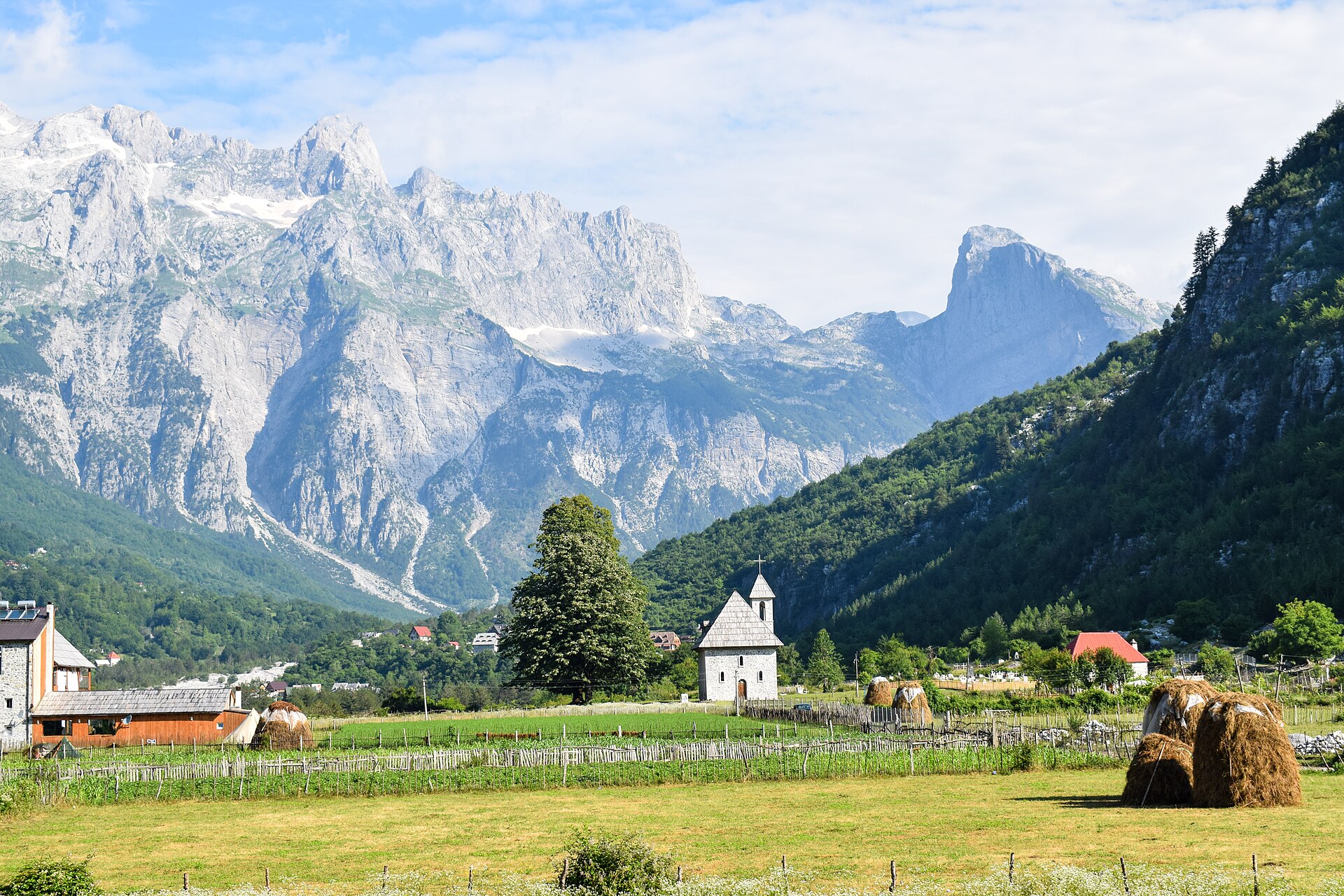
Outdoor travel ranges across the Adriatic and Ionian coasts, the Albanian Alps, central lowlands, the Vjosa valley, Lake Ohrid and Lake Prespa. Terrain determines the plan. Mountain, island, border and remote rural routes require more preparation than urban day trips, and conditions can change quickly.
In Albania, this theme can be connected with Tirana, Berat, Gjirokastër, Shkodër, Korçë, Vlorë and Sarandë and with landscapes such as the Adriatic and Ionian coasts, the Albanian Alps, central lowlands, the Vjosa valley, Lake Ohrid and Lake Prespa. The value is not in adding another checklist item but in understanding how ordinary life, history and place interact.
For Videuro, this theme also creates future editorial opportunities: short videos, city walks, museum explainers, map markers and focused articles can all link back to the country guide as their central hub.
Καλύτερη περίοδος to visit
There is no single perfect month for Albania. Spring often suits cities and walking; summer gives long days and the broadest seasonal opening but heavier crowds; autumn can be excellent for food and landscapes; winter rewards travellers interested in museums, snow or quieter streets.
In Albania, this theme can be connected with Tirana, Berat, Gjirokastër, Shkodër, Korçë, Vlorë and Sarandë and with landscapes such as the Adriatic and Ionian coasts, the Albanian Alps, central lowlands, the Vjosa valley, Lake Ohrid and Lake Prespa. The value is not in adding another checklist item but in understanding how ordinary life, history and place interact.
For Videuro, this theme also creates future editorial opportunities: short videos, city walks, museum explainers, map markers and focused articles can all link back to the country guide as their central hub.
Getting around
Plan transport at the itinerary level. Major cities are often easier without a car because of parking, restricted zones and historic street patterns. Cars become more useful for rural, mountain or dispersed coastal areas where public transport is infrequent.
In Albania, this theme can be connected with Tirana, Berat, Gjirokastër, Shkodër, Korçë, Vlorë and Sarandë and with landscapes such as the Adriatic and Ionian coasts, the Albanian Alps, central lowlands, the Vjosa valley, Lake Ohrid and Lake Prespa. The value is not in adding another checklist item but in understanding how ordinary life, history and place interact.
For Videuro, this theme also creates future editorial opportunities: short videos, city walks, museum explainers, map markers and focused articles can all link back to the country guide as their central hub.
Families, couples and solo travel
Families benefit from alternating formal sightseeing with parks, interactive museums, boats, trams and food stops. Couples can build around slower evenings, scenic transport and regional food. Solo travellers gain flexibility and can use walking tours or workshops to add social contact.
In Albania, this theme can be connected with Tirana, Berat, Gjirokastër, Shkodër, Korçë, Vlorë and Sarandë and with landscapes such as the Adriatic and Ionian coasts, the Albanian Alps, central lowlands, the Vjosa valley, Lake Ohrid and Lake Prespa. The value is not in adding another checklist item but in understanding how ordinary life, history and place interact.
For Videuro, this theme also creates future editorial opportunities: short videos, city walks, museum explainers, map markers and focused articles can all link back to the country guide as their central hub.
Responsible travel
Spend in ways that support the places you visit: locally owned accommodation when appropriate, neighbourhood restaurants, local guides, markets and regional producers. Historic centres are residential environments, not theme parks, so keep noise low and respect private entrances.
In Albania, this theme can be connected with Tirana, Berat, Gjirokastër, Shkodër, Korçë, Vlorë and Sarandë and with landscapes such as the Adriatic and Ionian coasts, the Albanian Alps, central lowlands, the Vjosa valley, Lake Ohrid and Lake Prespa. The value is not in adding another checklist item but in understanding how ordinary life, history and place interact.
For Videuro, this theme also creates future editorial opportunities: short videos, city walks, museum explainers, map markers and focused articles can all link back to the country guide as their central hub.
Slow travel and return visits
The best country guides should make a reader want to return. Leave some regions for a second trip rather than turning the first visit into a race. A slower itinerary creates more room for weather changes, conversations and unplanned discoveries.
In Albania, this theme can be connected with Tirana, Berat, Gjirokastër, Shkodër, Korçë, Vlorë and Sarandë and with landscapes such as the Adriatic and Ionian coasts, the Albanian Alps, central lowlands, the Vjosa valley, Lake Ohrid and Lake Prespa. The value is not in adding another checklist item but in understanding how ordinary life, history and place interact.
For Videuro, this theme also creates future editorial opportunities: short videos, city walks, museum explainers, map markers and focused articles can all link back to the country guide as their central hub.
Suggested 7-day itinerary
Spend the first two nights in Tirana, using one full day for the major historical core and museums and another half-day for a neighbourhood, market or modern cultural district.
For days three and four, move to a contrasting city chosen from Tirana, Berat, Gjirokastër, Shkodër, Korçë, Vlorë and Sarandë. Use it as a base rather than a one-night stop. Add one nearby heritage landscape or smaller town.
Use days five and six for one signature landscape or destination linked to Berat, Gjirokastër, Butrint, Albanian Alps, Lake Ohrid. Stay close enough to experience early morning and evening. On day seven, return toward the departure hub with enough margin for delays.
Suggested 14-day itinerary
Begin with three nights in Tirana. Add two or three nights in a second urban base from Tirana, Berat, Gjirokastër, Shkodër, Korçë, Vlorë and Sarandë, ideally in a different historical or geographic region. From there, use one day for heritage or rural travel.
The middle of the trip should include three or four nights in a defining landscape: the Adriatic and Ionian coasts, the Albanian Alps, central lowlands, the Vjosa valley, Lake Ohrid and Lake Prespa. Stay put long enough for one full outdoor day and one slower day. Finish with another region and leave one flexible day for weather or transport changes.
Practical planning
Verify passport, visa and border rules for Albania through official government or consular channels immediately before travel. Entry rules depend on nationality, residence status and route, and should never be copied from an old blog post.
The currency context is Albanian lek (ALL). Card acceptance varies between major cities and smaller communities, so keeping a modest backup amount is sensible. Connectivity is usually strongest in urban areas and may be weaker in mountain, rural or border regions.
Deeper destination notes
Berat: how to experience it well
Berat deserves more than a quick arrival-and-photo stop. Begin by understanding why the place matters in the context of Albania: its geography, historical role, architectural character or natural setting. A short museum visit, heritage introduction or official park briefing can provide that context before the main walk.
Give yourself time beyond the headline viewpoint. Move one or two streets away from the busiest route, use a local café or market, and notice how residents use the space. If the destination is natural, walk far enough to experience changes in terrain and sound rather than staying only at the parking area.
Early morning and late afternoon usually provide calmer conditions and better light. If the place is commonly visited as a day trip, consider whether one overnight stay would transform the experience. After excursion traffic leaves, many famous προορισμοί recover a different atmosphere.
Gjirokastër: how to experience it well
Gjirokastër deserves more than a quick arrival-and-photo stop. Begin by understanding why the place matters in the context of Albania: its geography, historical role, architectural character or natural setting. A short museum visit, heritage introduction or official park briefing can provide that context before the main walk.
Give yourself time beyond the headline viewpoint. Move one or two streets away from the busiest route, use a local café or market, and notice how residents use the space. If the destination is natural, walk far enough to experience changes in terrain and sound rather than staying only at the parking area.
Early morning and late afternoon usually provide calmer conditions and better light. If the place is commonly visited as a day trip, consider whether one overnight stay would transform the experience. After excursion traffic leaves, many famous προορισμοί recover a different atmosphere.
Butrint: how to experience it well
Butrint deserves more than a quick arrival-and-photo stop. Begin by understanding why the place matters in the context of Albania: its geography, historical role, architectural character or natural setting. A short museum visit, heritage introduction or official park briefing can provide that context before the main walk.
Give yourself time beyond the headline viewpoint. Move one or two streets away from the busiest route, use a local café or market, and notice how residents use the space. If the destination is natural, walk far enough to experience changes in terrain and sound rather than staying only at the parking area.
Early morning and late afternoon usually provide calmer conditions and better light. If the place is commonly visited as a day trip, consider whether one overnight stay would transform the experience. After excursion traffic leaves, many famous προορισμοί recover a different atmosphere.
Albanian Alps: how to experience it well
Albanian Alps deserves more than a quick arrival-and-photo stop. Begin by understanding why the place matters in the context of Albania: its geography, historical role, architectural character or natural setting. A short museum visit, heritage introduction or official park briefing can provide that context before the main walk.
Give yourself time beyond the headline viewpoint. Move one or two streets away from the busiest route, use a local café or market, and notice how residents use the space. If the destination is natural, walk far enough to experience changes in terrain and sound rather than staying only at the parking area.
Early morning and late afternoon usually provide calmer conditions and better light. If the place is commonly visited as a day trip, consider whether one overnight stay would transform the experience. After excursion traffic leaves, many famous προορισμοί recover a different atmosphere.
Lake Ohrid: how to experience it well
Lake Ohrid deserves more than a quick arrival-and-photo stop. Begin by understanding why the place matters in the context of Albania: its geography, historical role, architectural character or natural setting. A short museum visit, heritage introduction or official park briefing can provide that context before the main walk.
Give yourself time beyond the headline viewpoint. Move one or two streets away from the busiest route, use a local café or market, and notice how residents use the space. If the destination is natural, walk far enough to experience changes in terrain and sound rather than staying only at the parking area.
Early morning and late afternoon usually provide calmer conditions and better light. If the place is commonly visited as a day trip, consider whether one overnight stay would transform the experience. After excursion traffic leaves, many famous προορισμοί recover a different atmosphere.
Shkodër: how to experience it well
Shkodër deserves more than a quick arrival-and-photo stop. Begin by understanding why the place matters in the context of Albania: its geography, historical role, architectural character or natural setting. A short museum visit, heritage introduction or official park briefing can provide that context before the main walk.
Give yourself time beyond the headline viewpoint. Move one or two streets away from the busiest route, use a local café or market, and notice how residents use the space. If the destination is natural, walk far enough to experience changes in terrain and sound rather than staying only at the parking area.
Early morning and late afternoon usually provide calmer conditions and better light. If the place is commonly visited as a day trip, consider whether one overnight stay would transform the experience. After excursion traffic leaves, many famous προορισμοί recover a different atmosphere.
Vjosa Valley: how to experience it well
Vjosa Valley deserves more than a quick arrival-and-photo stop. Begin by understanding why the place matters in the context of Albania: its geography, historical role, architectural character or natural setting. A short museum visit, heritage introduction or official park briefing can provide that context before the main walk.
Give yourself time beyond the headline viewpoint. Move one or two streets away from the busiest route, use a local café or market, and notice how residents use the space. If the destination is natural, walk far enough to experience changes in terrain and sound rather than staying only at the parking area.
Early morning and late afternoon usually provide calmer conditions and better light. If the place is commonly visited as a day trip, consider whether one overnight stay would transform the experience. After excursion traffic leaves, many famous προορισμοί recover a different atmosphere.
Riviera: how to experience it well
Riviera deserves more than a quick arrival-and-photo stop. Begin by understanding why the place matters in the context of Albania: its geography, historical role, architectural character or natural setting. A short museum visit, heritage introduction or official park briefing can provide that context before the main walk.
Give yourself time beyond the headline viewpoint. Move one or two streets away from the busiest route, use a local café or market, and notice how residents use the space. If the destination is natural, walk far enough to experience changes in terrain and sound rather than staying only at the parking area.
Early morning and late afternoon usually provide calmer conditions and better light. If the place is commonly visited as a day trip, consider whether one overnight stay would transform the experience. After excursion traffic leaves, many famous προορισμοί recover a different atmosphere.
External links and authoritative sources
The links below are intentionally clickable. Use official tourism sites for destination logistics, government portals for current public information, statistical offices for data, UNESCO for heritage documentation and museums or academies for deeper research.
- Albania Tourism
- Government of Albania
- INSTAT Albania
- UNESCO — Albania
- UNESCO World Heritage — Albania
- Academy of Sciences of Albania
- Bank of Albania
- Visit Tirana
- Protected Areas Albania
- National History Museum
How to use these sources
Do not copy a changing statistic into an evergreen article without recording the year and source. Transport prices, visa rules, opening hours and current political details should always be rechecked close to publication or travel.
Link to and cite this Videuro guide
Permanent article URL: /albania-travel-guide
Suggested citation title: Albania Travel Guide — Videuro.
These outbound links are references from Videuro to authoritative sources. They are not backlinks to Videuro by themselves. A backlink is created only when another website links to this article.
FAQ: planning a trip to Albania
How many days are enough?
Four or five days can introduce one region, but 7–10 days is much better for combining a major city with regional travel. Two weeks allows a genuinely varied itinerary.
Should I rent a car?
Not automatically. Use public transport for major cities and rail-connected corridors. Rent a car only when rural, mountain or coastal flexibility clearly improves the plan.
What should I book in advance?
High-demand accommodation, famous timed-entry monuments, major performances, specialist nature tours and seasonal ferries or trains.
What is the biggest planning mistake?
Trying to see too much. Albania becomes more interesting when travellers slow down enough to notice regional differences.
How can I understand local culture better?
Combine one serious museum or historic site with markets, neighbourhood walks, cafés, local sport, regional food and ordinary public transport.
Final perspective
Albania works best as a journey of connections. Geography explains food and settlement. History explains architecture and regional identity. Science explains universities and industries. Famous artists, writers, musicians and athletes add emotional reference points. Contemporary economic life shows that the country is not merely a collection of preserved monuments.
Visit Berat, Gjirokastër, Butrint, Albanian Alps, Lake Ohrid, Shkodër, Vjosa Valley, Riviera, but leave room for the street between two landmarks, the regional train, the morning market, the small museum and the landscape seen slowly. For Videuro, this guide should function as the hub from which future city, region, map and video content grows.