Seven days in Malta is enough to build a meaningful first journey if the route is selective. It is not enough to see every famous city, region and landscape, and that limitation is useful. A strong one-week itinerary gives each day a purpose, reduces unnecessary backtracking and leaves room for the things that cannot be scheduled perfectly: weather, a long lunch, a museum that deserves more time, or a neighbourhood you decide not to rush through.
This itinerary is designed as a practical framework rather than a rigid package. It combines major cultural anchors with smaller places or landscapes, using the varış yerleri already covered in Videuro's Best Places to Visit in Malta guide. For deeper geography, history, culture and background, keep the complete Malta travel guide open as the reference hub.
Transport schedules, opening hours, seasonal access and reservation systems change. Use this plan for route logic and pacing, then confirm time-sensitive details with official operators and destination authorities shortly before travel. When a weather-sensitive day is involved, keep a flexible swap ready rather than treating the itinerary as a promise that every activity will operate exactly as imagined.
7 days in Malta bir bakışta
- Day 1: Valletta: fortifications, museums and harbour views — Valletta
- Day 2: Three Cities: maritime history across the Grand Harbour — Three Cities
- Day 3: Mdina and Rabat: the old capital and underground history — Mdina, St Paul’s Catacombs and Rabat
- Day 4: Ħaġar Qim, Mnajdra and the Blue Grotto — Ħaġar Qim and Mnajdra, Blue Grotto
- Day 5: Gozo: villages, coast and prehistoric heritage — Gozo, Ġgantija Temples
- Day 6: Marsaxlokk and the southern coast — Marsaxlokk
- Day 7: Valletta or a flexible final island day — Valletta
Why this one-week route works in Malta
The route uses a small number of anchors instead of trying to sample the whole country. That matters because one week disappears quickly once hotel changes, station transfers, airport procedures and orientation time are included. The itinerary therefore favours places that either represent a major part of Malta's identity or connect efficiently with the next stage of the trip.
It also alternates intensity. A major city day can involve museums, long walks and dense historical context; the following day is often better when it includes a landscape, smaller town or slower regional experience. This variation protects energy and makes the contrast between varış yerleri more visible.
Finally, the plan leaves room for personal choice. Travellers interested in art can deepen museum time, food-focused visitors can extend markets and meals, families can reduce formal sightseeing, and outdoor travellers can replace an urban block with a longer walk. The structure stays useful even when individual stops change.
Day 1: Valletta: fortifications, museums and harbour views
Day 1 is built around Valletta in Malta island, known for fortified streets, baroque architecture, museums and Grand Harbour views. The point is not to collect attractions as quickly as possible. It is to give this stage of the journey a clear identity, enough walking time, and enough margin for meals, weather and transport. A compact capital where major historical sites can be balanced with waterfront walks and evening atmosphere. In a seven-day trip, rhythm matters as much as ambition: each day should feel different from the one before it while still fitting naturally into the route.
Morning plan for day 1
Start early enough to experience Valletta before the busiest part of the day. Use the first hour for orientation rather than immediately entering the largest attraction. Walk the central streets or landscape approach, identify the main transport points, and notice how fortified streets, baroque architecture, museums and Grand Harbour views shape the place. A slower opening makes later museum, heritage or outdoor visits easier to understand because you already have a mental map.
Choose one major experience for the morning and do it properly. That might be an important museum, a historic complex, a scenic route, a market, a waterfront walk or a protected landscape. Read a little background before arriving, but avoid trying to memorise a list of facts. The goal is to connect what you see with the broader story of the country and with the previous days of the trip.
Lunch and local atmosphere
Around midday, move away from the most obvious visitor corridor if possible. In Valletta, a market, bakery, casual restaurant, neighbourhood square or smaller town centre can reveal more about everyday life than another famous monument. Order something regional when practical, ask what is seasonal, and leave enough time that lunch does not become a rushed gap between reservations.
If the day includes a transfer, use lunch as the natural dividing point. It is usually better to make one purposeful move after eating than to interrupt the morning with repeated short journeys. Keep luggage strategy simple: use hotel storage, station lockers where available, or a base that allows the day to begin and end without unnecessary backtracking.
Afternoon route
Stay with Valletta for the afternoon, but change the type of experience. If the morning was museum-heavy, spend the afternoon outdoors; if the morning focused on a major landscape, use the afternoon for a town, café, market or smaller cultural site. This contrast helps a long day remain enjoyable instead of becoming a sequence of similar stops.
Use the later afternoon for one secondary area rather than another headline attraction. A compact capital where major historical sites can be balanced with waterfront walks and evening atmosphere. The most memorable part of the day may be the walk between places, the view from a quieter street or the pause that was not originally scheduled.
Evening and overnight strategy
Do not fill the evening simply because the itinerary still has empty hours. After a full day, the best use of time is often a relaxed meal, a short sunset or night walk, and an early return to the hotel. If day 1 ends in a place with a strong evening atmosphere, experience it after day-trippers leave; otherwise, protect energy for the next morning.
Confirm the next day's first connection before going to sleep, especially if rail reservations, ferries, mountain lifts or timed entries are involved. Keep tickets and offline maps accessible. A seven-day route works smoothly when small logistical decisions are handled the night before rather than during the busiest part of the morning.
What to prioritise if you are short on time
If the schedule slips, keep the experience that best represents fortified streets, baroque architecture, museums and Grand Harbour views and drop the least distinctive extra. Do not sacrifice meals, sleep and transfer buffers just to preserve every line of the plan. A shorter, coherent day in Valletta is more valuable than arriving exhausted at a final attraction minutes before closing.
Day 2: Three Cities: maritime history across the Grand Harbour
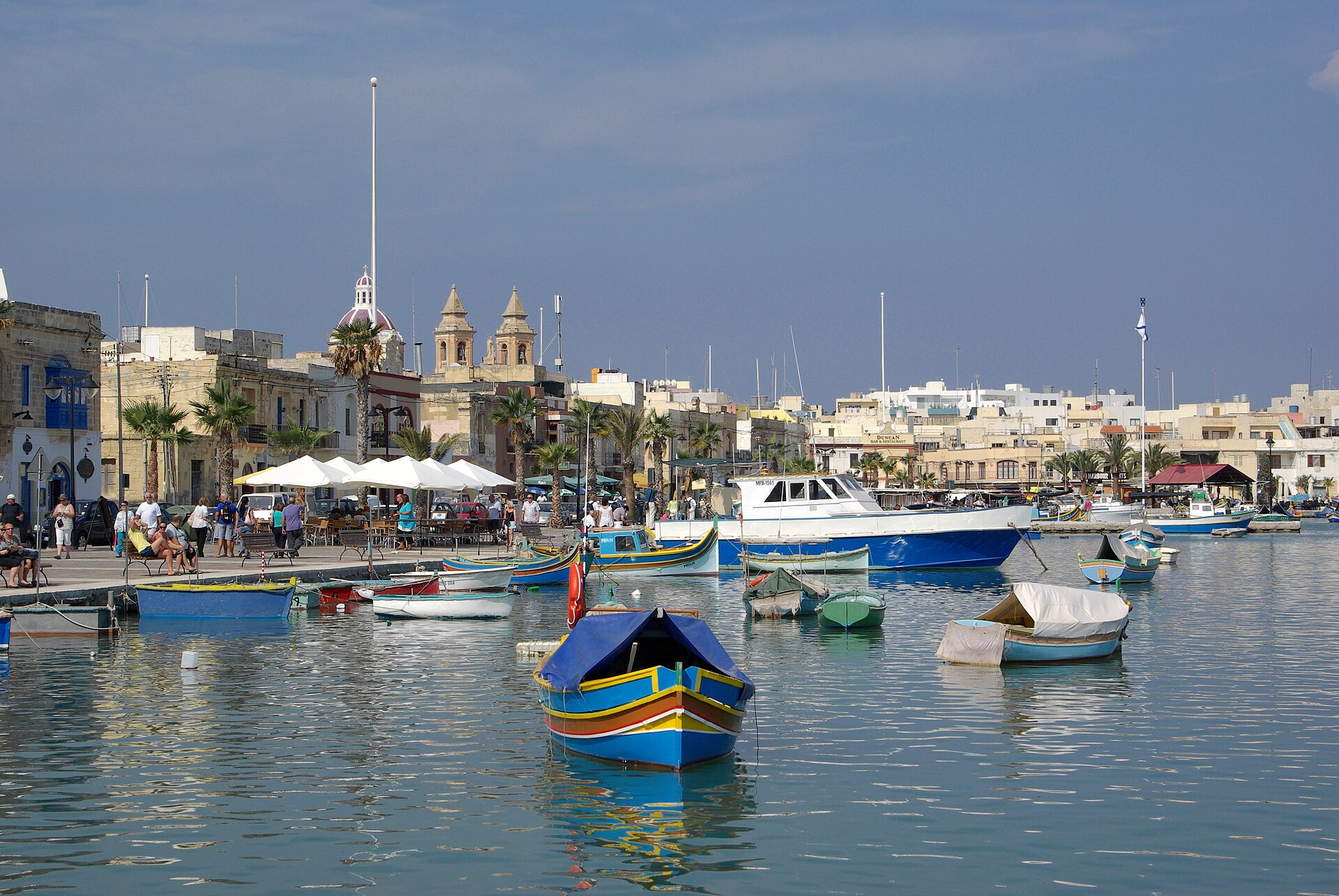
Day 2 is built around Three Cities in Grand Harbour, known for Vittoriosa, Senglea and Cospicua with fortifications, marinas and deep Knights-era history. The point is not to collect attractions as quickly as possible. It is to give this stage of the journey a clear identity, enough walking time, and enough margin for meals, weather and transport. A harbour-side counterpoint to valletta that rewards walking and short ferry rides. In a seven-day trip, rhythm matters as much as ambition: each day should feel different from the one before it while still fitting naturally into the route.
Morning plan for day 2
Start early enough to experience Three Cities before the busiest part of the day. Use the first hour for orientation rather than immediately entering the largest attraction. Walk the central streets or landscape approach, identify the main transport points, and notice how Vittoriosa, Senglea and Cospicua with fortifications, marinas and deep Knights-era history shape the place. A slower opening makes later museum, heritage or outdoor visits easier to understand because you already have a mental map.
Choose one major experience for the morning and do it properly. That might be an important museum, a historic complex, a scenic route, a market, a waterfront walk or a protected landscape. Read a little background before arriving, but avoid trying to memorise a list of facts. The goal is to connect what you see with the broader story of the country and with the previous days of the trip.
Lunch and local atmosphere
Around midday, move away from the most obvious visitor corridor if possible. In Three Cities, a market, bakery, casual restaurant, neighbourhood square or smaller town centre can reveal more about everyday life than another famous monument. Order something regional when practical, ask what is seasonal, and leave enough time that lunch does not become a rushed gap between reservations.
If the day includes a transfer, use lunch as the natural dividing point. It is usually better to make one purposeful move after eating than to interrupt the morning with repeated short journeys. Keep luggage strategy simple: use hotel storage, station lockers where available, or a base that allows the day to begin and end without unnecessary backtracking.
Afternoon route
Stay with Three Cities for the afternoon, but change the type of experience. If the morning was museum-heavy, spend the afternoon outdoors; if the morning focused on a major landscape, use the afternoon for a town, café, market or smaller cultural site. This contrast helps a long day remain enjoyable instead of becoming a sequence of similar stops.
Use the later afternoon for one secondary area rather than another headline attraction. A harbour-side counterpoint to valletta that rewards walking and short ferry rides. The most memorable part of the day may be the walk between places, the view from a quieter street or the pause that was not originally scheduled.
Evening and overnight strategy
Do not fill the evening simply because the itinerary still has empty hours. After a full day, the best use of time is often a relaxed meal, a short sunset or night walk, and an early return to the hotel. If day 2 ends in a place with a strong evening atmosphere, experience it after day-trippers leave; otherwise, protect energy for the next morning.
Confirm the next day's first connection before going to sleep, especially if rail reservations, ferries, mountain lifts or timed entries are involved. Keep tickets and offline maps accessible. A seven-day route works smoothly when small logistical decisions are handled the night before rather than during the busiest part of the morning.
What to prioritise if you are short on time
If the schedule slips, keep the experience that best represents Vittoriosa, Senglea and Cospicua with fortifications, marinas and deep Knights-era history and drop the least distinctive extra. Do not sacrifice meals, sleep and transfer buffers just to preserve every line of the plan. A shorter, coherent day in Three Cities is more valuable than arriving exhausted at a final attraction minutes before closing.
Day 3: Mdina and Rabat: the old capital and underground history
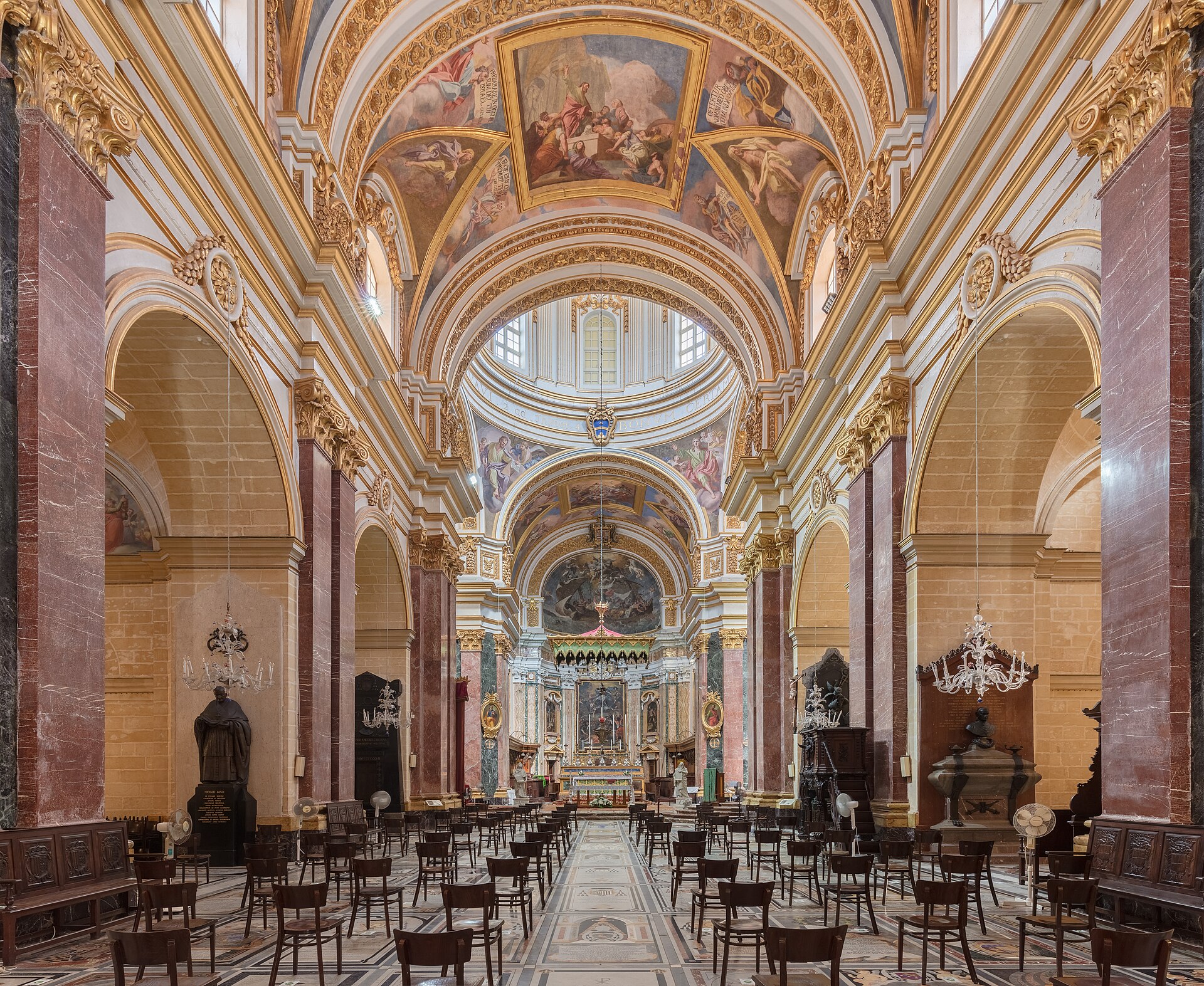
Day 3 is built around Mdina in central Malta, known for a walled medieval city of limestone palaces, churches and narrow lanes and St Paul’s Catacombs and Rabat in central Malta, known for underground burial chambers, Roman-era remains and a traditional town atmosphere. The point is not to collect attractions as quickly as possible. It is to give this stage of the journey a clear identity, enough walking time, and enough margin for meals, weather and transport. One of malta’s most atmospheric historic places, especially early or after day-trip crowds leave. In a seven-day trip, rhythm matters as much as ambition: each day should feel different from the one before it while still fitting naturally into the route.
Morning plan for day 3
Start early enough to experience Mdina before the busiest part of the day. Use the first hour for orientation rather than immediately entering the largest attraction. Walk the central streets or landscape approach, identify the main transport points, and notice how a walled medieval city of limestone palaces, churches and narrow lanes shape the place. A slower opening makes later museum, heritage or outdoor visits easier to understand because you already have a mental map.
Choose one major experience for the morning and do it properly. That might be an important museum, a historic complex, a scenic route, a market, a waterfront walk or a protected landscape. Read a little background before arriving, but avoid trying to memorise a list of facts. The goal is to connect what you see with the broader story of the country and with the previous days of the trip.
Lunch and local atmosphere
Around midday, move away from the most obvious visitor corridor if possible. In Mdina, a market, bakery, casual restaurant, neighbourhood square or smaller town centre can reveal more about everyday life than another famous monument. Order something regional when practical, ask what is seasonal, and leave enough time that lunch does not become a rushed gap between reservations.
If the day includes a transfer, use lunch as the natural dividing point. It is usually better to make one purposeful move after eating than to interrupt the morning with repeated short journeys. Keep luggage strategy simple: use hotel storage, station lockers where available, or a base that allows the day to begin and end without unnecessary backtracking.
Afternoon route
The afternoon shifts toward St Paul’s Catacombs and Rabat, associated with underground burial chambers, Roman-era remains and a traditional town atmosphere. Treat the move as part of the experience rather than dead time. Trains, ferries, buses and scenic roads often reveal the relationship between cities, valleys, coasts and rural regions more clearly than a map can.
Once in St Paul’s Catacombs and Rabat, choose depth over quantity. A strong historical complement to nearby mdina. If access is seasonal or weather dependent, keep a simpler local alternative ready rather than forcing the original plan in poor conditions.
Evening and overnight strategy
Do not fill the evening simply because the itinerary still has empty hours. After a full day, the best use of time is often a relaxed meal, a short sunset or night walk, and an early return to the hotel. If day 3 ends in a place with a strong evening atmosphere, experience it after day-trippers leave; otherwise, protect energy for the next morning.
Confirm the next day's first connection before going to sleep, especially if rail reservations, ferries, mountain lifts or timed entries are involved. Keep tickets and offline maps accessible. A seven-day route works smoothly when small logistical decisions are handled the night before rather than during the busiest part of the morning.
What to prioritise if you are short on time
If the schedule slips, keep the experience that best represents a walled medieval city of limestone palaces, churches and narrow lanes and drop the least distinctive extra. Do not sacrifice meals, sleep and transfer buffers just to preserve every line of the plan. A shorter, coherent day in Mdina is more valuable than arriving exhausted at a final attraction minutes before closing.
Day 4: Ħaġar Qim, Mnajdra and the Blue Grotto
Day 4 is built around Ħaġar Qim and Mnajdra in southern Malta, known for megalithic temple complexes set above the Mediterranean and Blue Grotto in southern Malta, known for sea caves, clear water and dramatic limestone coast. The point is not to collect attractions as quickly as possible. It is to give this stage of the journey a clear identity, enough walking time, and enough margin for meals, weather and transport. An essential stop for understanding malta’s prehistoric importance. In a seven-day trip, rhythm matters as much as ambition: each day should feel different from the one before it while still fitting naturally into the route.
Morning plan for day 4
Start early enough to experience Ħaġar Qim and Mnajdra before the busiest part of the day. Use the first hour for orientation rather than immediately entering the largest attraction. Walk the central streets or landscape approach, identify the main transport points, and notice how megalithic temple complexes set above the Mediterranean shape the place. A slower opening makes later museum, heritage or outdoor visits easier to understand because you already have a mental map.
Choose one major experience for the morning and do it properly. That might be an important museum, a historic complex, a scenic route, a market, a waterfront walk or a protected landscape. Read a little background before arriving, but avoid trying to memorise a list of facts. The goal is to connect what you see with the broader story of the country and with the previous days of the trip.
Lunch and local atmosphere
Around midday, move away from the most obvious visitor corridor if possible. In Ħaġar Qim and Mnajdra, a market, bakery, casual restaurant, neighbourhood square or smaller town centre can reveal more about everyday life than another famous monument. Order something regional when practical, ask what is seasonal, and leave enough time that lunch does not become a rushed gap between reservations.
If the day includes a transfer, use lunch as the natural dividing point. It is usually better to make one purposeful move after eating than to interrupt the morning with repeated short journeys. Keep luggage strategy simple: use hotel storage, station lockers where available, or a base that allows the day to begin and end without unnecessary backtracking.
Afternoon route
The afternoon shifts toward Blue Grotto, associated with sea caves, clear water and dramatic limestone coast. Treat the move as part of the experience rather than dead time. Trains, ferries, buses and scenic roads often reveal the relationship between cities, valleys, coasts and rural regions more clearly than a map can.
Once in Blue Grotto, choose depth over quantity. A beautiful coastal experience whose quality depends strongly on sea and weather conditions. If access is seasonal or weather dependent, keep a simpler local alternative ready rather than forcing the original plan in poor conditions.
Evening and overnight strategy
Do not fill the evening simply because the itinerary still has empty hours. After a full day, the best use of time is often a relaxed meal, a short sunset or night walk, and an early return to the hotel. If day 4 ends in a place with a strong evening atmosphere, experience it after day-trippers leave; otherwise, protect energy for the next morning.
Confirm the next day's first connection before going to sleep, especially if rail reservations, ferries, mountain lifts or timed entries are involved. Keep tickets and offline maps accessible. A seven-day route works smoothly when small logistical decisions are handled the night before rather than during the busiest part of the morning.
What to prioritise if you are short on time
If the schedule slips, keep the experience that best represents megalithic temple complexes set above the Mediterranean and drop the least distinctive extra. Do not sacrifice meals, sleep and transfer buffers just to preserve every line of the plan. A shorter, coherent day in Ħaġar Qim and Mnajdra is more valuable than arriving exhausted at a final attraction minutes before closing.
Day 5: Gozo: villages, coast and prehistoric heritage
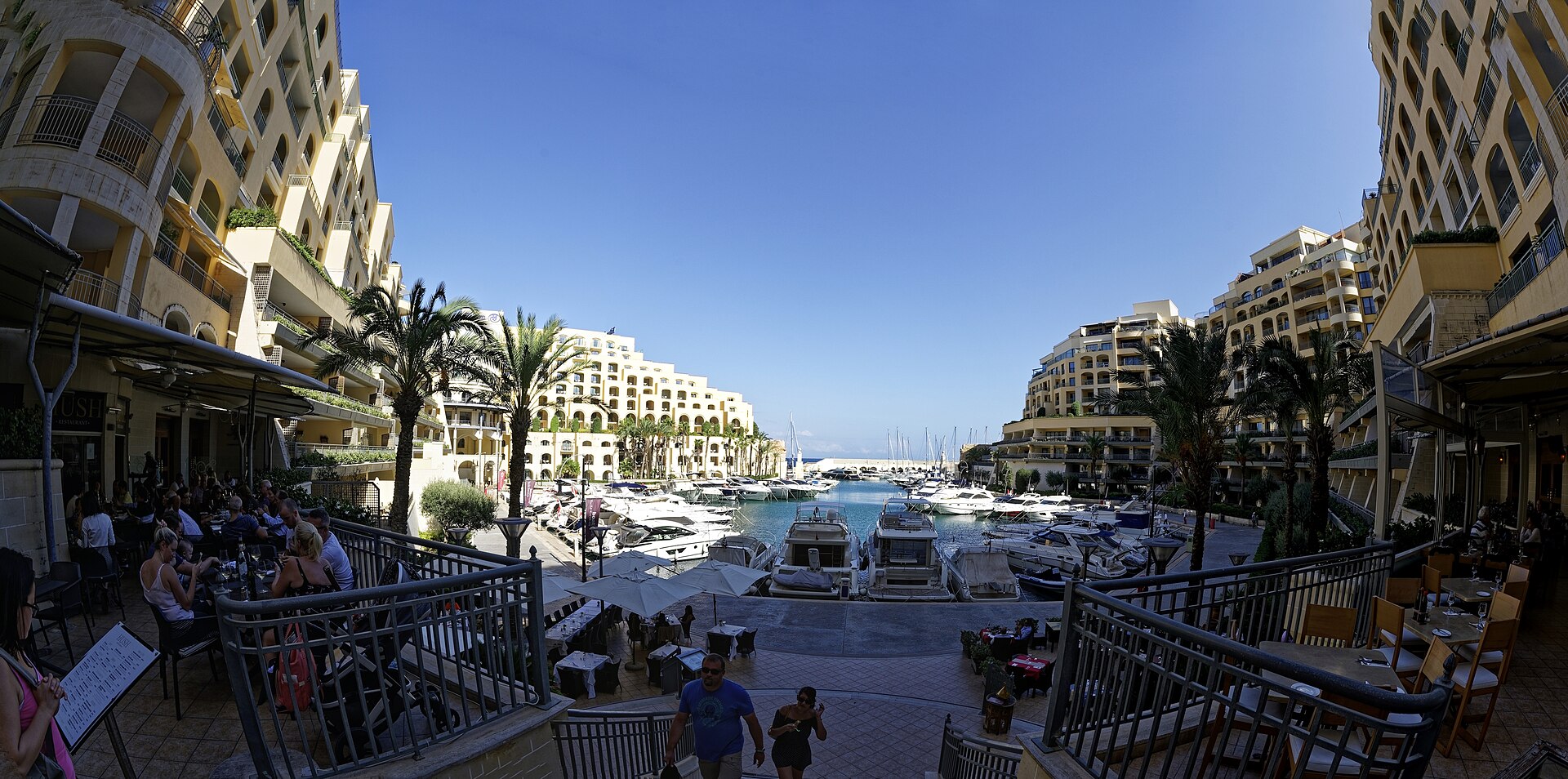
Day 5 is built around Gozo in Gozo island, known for rural landscapes, villages, coastal cliffs, churches and a slower island pace and Ġgantija Temples in Gozo, known for extraordinarily ancient megalithic temples and UNESCO heritage. The point is not to collect attractions as quickly as possible. It is to give this stage of the journey a clear identity, enough walking time, and enough margin for meals, weather and transport. The best place to experience a quieter maltese rhythm over several nights. In a seven-day trip, rhythm matters as much as ambition: each day should feel different from the one before it while still fitting naturally into the route.
Morning plan for day 5
Start early enough to experience Gozo before the busiest part of the day. Use the first hour for orientation rather than immediately entering the largest attraction. Walk the central streets or landscape approach, identify the main transport points, and notice how rural landscapes, villages, coastal cliffs, churches and a slower island pace shape the place. A slower opening makes later museum, heritage or outdoor visits easier to understand because you already have a mental map.
Choose one major experience for the morning and do it properly. That might be an important museum, a historic complex, a scenic route, a market, a waterfront walk or a protected landscape. Read a little background before arriving, but avoid trying to memorise a list of facts. The goal is to connect what you see with the broader story of the country and with the previous days of the trip.
Lunch and local atmosphere
Around midday, move away from the most obvious visitor corridor if possible. In Gozo, a market, bakery, casual restaurant, neighbourhood square or smaller town centre can reveal more about everyday life than another famous monument. Order something regional when practical, ask what is seasonal, and leave enough time that lunch does not become a rushed gap between reservations.
If the day includes a transfer, use lunch as the natural dividing point. It is usually better to make one purposeful move after eating than to interrupt the morning with repeated short journeys. Keep luggage strategy simple: use hotel storage, station lockers where available, or a base that allows the day to begin and end without unnecessary backtracking.
Afternoon route
The afternoon shifts toward Ġgantija Temples, associated with extraordinarily ancient megalithic temples and UNESCO heritage. Treat the move as part of the experience rather than dead time. Trains, ferries, buses and scenic roads often reveal the relationship between cities, valleys, coasts and rural regions more clearly than a map can.
Once in Ġgantija Temples, choose depth over quantity. A major prehistoric site whose scale becomes more impressive with even a little archaeological context. If access is seasonal or weather dependent, keep a simpler local alternative ready rather than forcing the original plan in poor conditions.
Evening and overnight strategy
Do not fill the evening simply because the itinerary still has empty hours. After a full day, the best use of time is often a relaxed meal, a short sunset or night walk, and an early return to the hotel. If day 5 ends in a place with a strong evening atmosphere, experience it after day-trippers leave; otherwise, protect energy for the next morning.
Confirm the next day's first connection before going to sleep, especially if rail reservations, ferries, mountain lifts or timed entries are involved. Keep tickets and offline maps accessible. A seven-day route works smoothly when small logistical decisions are handled the night before rather than during the busiest part of the morning.
What to prioritise if you are short on time
If the schedule slips, keep the experience that best represents rural landscapes, villages, coastal cliffs, churches and a slower island pace and drop the least distinctive extra. Do not sacrifice meals, sleep and transfer buffers just to preserve every line of the plan. A shorter, coherent day in Gozo is more valuable than arriving exhausted at a final attraction minutes before closing.
Day 6: Marsaxlokk and the southern coast
Day 6 is built around Marsaxlokk in southeastern Malta, known for a fishing-harbour setting, colourful boats and seafood restaurants. The point is not to collect attractions as quickly as possible. It is to give this stage of the journey a clear identity, enough walking time, and enough margin for meals, weather and transport. A pleasant coastal stop that is better when paired with nearby walks rather than treated only as a lunch destination. In a seven-day trip, rhythm matters as much as ambition: each day should feel different from the one before it while still fitting naturally into the route.
Morning plan for day 6
Start early enough to experience Marsaxlokk before the busiest part of the day. Use the first hour for orientation rather than immediately entering the largest attraction. Walk the central streets or landscape approach, identify the main transport points, and notice how a fishing-harbour setting, colourful boats and seafood restaurants shape the place. A slower opening makes later museum, heritage or outdoor visits easier to understand because you already have a mental map.
Choose one major experience for the morning and do it properly. That might be an important museum, a historic complex, a scenic route, a market, a waterfront walk or a protected landscape. Read a little background before arriving, but avoid trying to memorise a list of facts. The goal is to connect what you see with the broader story of the country and with the previous days of the trip.
Lunch and local atmosphere
Around midday, move away from the most obvious visitor corridor if possible. In Marsaxlokk, a market, bakery, casual restaurant, neighbourhood square or smaller town centre can reveal more about everyday life than another famous monument. Order something regional when practical, ask what is seasonal, and leave enough time that lunch does not become a rushed gap between reservations.
If the day includes a transfer, use lunch as the natural dividing point. It is usually better to make one purposeful move after eating than to interrupt the morning with repeated short journeys. Keep luggage strategy simple: use hotel storage, station lockers where available, or a base that allows the day to begin and end without unnecessary backtracking.
Afternoon route
Stay with Marsaxlokk for the afternoon, but change the type of experience. If the morning was museum-heavy, spend the afternoon outdoors; if the morning focused on a major landscape, use the afternoon for a town, café, market or smaller cultural site. This contrast helps a long day remain enjoyable instead of becoming a sequence of similar stops.
Use the later afternoon for one secondary area rather than another headline attraction. A pleasant coastal stop that is better when paired with nearby walks rather than treated only as a lunch destination. The most memorable part of the day may be the walk between places, the view from a quieter street or the pause that was not originally scheduled.
Evening and overnight strategy
Do not fill the evening simply because the itinerary still has empty hours. After a full day, the best use of time is often a relaxed meal, a short sunset or night walk, and an early return to the hotel. If day 6 ends in a place with a strong evening atmosphere, experience it after day-trippers leave; otherwise, protect energy for the next morning.
Confirm the next day's first connection before going to sleep, especially if rail reservations, ferries, mountain lifts or timed entries are involved. Keep tickets and offline maps accessible. A seven-day route works smoothly when small logistical decisions are handled the night before rather than during the busiest part of the morning.
What to prioritise if you are short on time
If the schedule slips, keep the experience that best represents a fishing-harbour setting, colourful boats and seafood restaurants and drop the least distinctive extra. Do not sacrifice meals, sleep and transfer buffers just to preserve every line of the plan. A shorter, coherent day in Marsaxlokk is more valuable than arriving exhausted at a final attraction minutes before closing.
Day 7: Valletta or a flexible final island day
Day 7 is built around Valletta in Malta island, known for fortified streets, baroque architecture, museums and Grand Harbour views. The point is not to collect attractions as quickly as possible. It is to give this stage of the journey a clear identity, enough walking time, and enough margin for meals, weather and transport. A compact capital where major historical sites can be balanced with waterfront walks and evening atmosphere. In a seven-day trip, rhythm matters as much as ambition: each day should feel different from the one before it while still fitting naturally into the route.
Morning plan for day 7
Start early enough to experience Valletta before the busiest part of the day. Use the first hour for orientation rather than immediately entering the largest attraction. Walk the central streets or landscape approach, identify the main transport points, and notice how fortified streets, baroque architecture, museums and Grand Harbour views shape the place. A slower opening makes later museum, heritage or outdoor visits easier to understand because you already have a mental map.
Choose one major experience for the morning and do it properly. That might be an important museum, a historic complex, a scenic route, a market, a waterfront walk or a protected landscape. Read a little background before arriving, but avoid trying to memorise a list of facts. The goal is to connect what you see with the broader story of the country and with the previous days of the trip.
Lunch and local atmosphere
Around midday, move away from the most obvious visitor corridor if possible. In Valletta, a market, bakery, casual restaurant, neighbourhood square or smaller town centre can reveal more about everyday life than another famous monument. Order something regional when practical, ask what is seasonal, and leave enough time that lunch does not become a rushed gap between reservations.
If the day includes a transfer, use lunch as the natural dividing point. It is usually better to make one purposeful move after eating than to interrupt the morning with repeated short journeys. Keep luggage strategy simple: use hotel storage, station lockers where available, or a base that allows the day to begin and end without unnecessary backtracking.
Afternoon route
Stay with Valletta for the afternoon, but change the type of experience. If the morning was museum-heavy, spend the afternoon outdoors; if the morning focused on a major landscape, use the afternoon for a town, café, market or smaller cultural site. This contrast helps a long day remain enjoyable instead of becoming a sequence of similar stops.
Use the later afternoon for one secondary area rather than another headline attraction. A compact capital where major historical sites can be balanced with waterfront walks and evening atmosphere. The most memorable part of the day may be the walk between places, the view from a quieter street or the pause that was not originally scheduled.
Evening and overnight strategy
Do not fill the evening simply because the itinerary still has empty hours. After a full day, the best use of time is often a relaxed meal, a short sunset or night walk, and an early return to the hotel. If day 7 ends in a place with a strong evening atmosphere, experience it after day-trippers leave; otherwise, protect energy for the next morning.
Confirm the next day's first connection before going to sleep, especially if rail reservations, ferries, mountain lifts or timed entries are involved. Keep tickets and offline maps accessible. A seven-day route works smoothly when small logistical decisions are handled the night before rather than during the busiest part of the morning.
What to prioritise if you are short on time
If the schedule slips, keep the experience that best represents fortified streets, baroque architecture, museums and Grand Harbour views and drop the least distinctive extra. Do not sacrifice meals, sleep and transfer buffers just to preserve every line of the plan. A shorter, coherent day in Valletta is more valuable than arriving exhausted at a final attraction minutes before closing.
Where to stay during 7 days in Malta
Choose accommodation around the route, not around a national list of 'best hotels'. The most useful room is often the one that reduces daily friction: close enough to a station for an early departure, near a walkable centre, or positioned so you can return for a rest without losing an hour in transit.
For a one-week trip, avoid changing hotels every night unless geography absolutely requires it. Two-night bases create time to see a destination after excursion traffic leaves and reduce the hidden workload of packing, checking out and learning a new neighbourhood. When the route includes a famous day-trip destination, compare the value of staying overnight with the convenience of returning to a stronger transport hub.
Read recent guest comments about noise, stairs, climate control, late check-in and station access rather than relying only on star categories. In historic centres, a beautiful old building may have small lifts or none at all; in resort areas, seasonal opening patterns can matter more than distance on a map.
How to move around Malta in one week
Use the fastest sensible mode for long intercity moves and the simplest local mode once you arrive. In dense cities, walking and public transport usually outperform a rental car. In rural or mountain regions, a car may create useful flexibility, but only if parking and restricted-access rules do not turn it into a burden.
Do not schedule a major timed attraction immediately after a long transfer. Even reliable transport can be delayed, and unfamiliar stations take time to navigate. A better pattern is to travel, check in or store luggage, eat, and then begin with a flexible walk or neighbourhood experience.
If the itinerary includes ferries, mountain lifts, island connections or seasonal roads, recheck operations close to the travel date. The correct transport plan in summer may be impossible in winter, and the easiest weekday connection may differ on Sundays or public holidays.
How much luggage to bring for a 7-day Malta itinerary
Pack for mobility. A one-week route with several bases is easier with one manageable suitcase or backpack than with luggage designed for a two-week resort stay. Choose layers that can be recombined, comfortable walking shoes already broken in, and a small day bag for water, documents, medication, power banks and weather protection.
Laundry or sink-washing one or two items can be more efficient than carrying a completely different outfit for every day. If the route includes formal dining, religious sites, mountain weather or beaches, add only the specific clothing those situations require.
Keep essentials in the day bag on transfer days. If checked luggage is delayed or a hotel room is not ready, you should still be able to continue the first part of the day comfortably.
Food strategy for one week in Malta
Do not turn every meal into a reservation. One or two important restaurants can be worth planning ahead, but spontaneous bakeries, markets, cafés and simple regional places are often where a traveller notices how food changes from one area to another.
Use lunch strategically. On heavy sightseeing days, a quick but good lunch protects time. On transfer days, a longer meal can break the journey naturally. In the evening, eating near the hotel sometimes produces a better experience than crossing the city again for a restaurant that looked impressive online.
Ask what is seasonal and regional instead of searching only for a single 'national dish'. The foods associated with the capital may be quite different from those in coastal, mountain or rural areas.
Budgeting 7 days in Malta
Build the budget in categories: accommodation, long-distance transport, local transport, food, major paid attractions and a flexible daily amount for small decisions. That structure is more useful than a single national 'cost per day' because the expensive parts of a route are usually concentrated in particular cities, resorts or transport segments.
Prepay only when there is a clear benefit such as a capacity-limited attraction, a favourable rail fare or highly demanded accommodation. Keep enough flexibility that a weather change does not force you to pay twice for the same day.
Free experiences matter too: public viewpoints, parks, markets, neighbourhood walks, waterfronts, churches where entry is permitted, and simply spending time in a historic centre. A richer itinerary is not automatically the one with the largest ticket budget.
The best season for this 7-day Malta route
The route can work in several seasons, but the emphasis should change. Spring and autumn often suit city walking and cultural travel because temperatures can be more comfortable and demand may be lower outside holiday peaks. Summer provides longer daylight and broader access to seasonal landscapes, but famous varış yerleri can be much busier. Winter may reward museums, food, city breaks and snow-oriented regions while reducing access to some outdoor experiences.
Do not use a country-wide weather average to plan a route that crosses mountains, coasts and cities. Check the specific regions in the itinerary. Conditions can differ sharply within a single travel day.
If one day is especially weather sensitive, keep a swap option. Move a museum-heavy city day into poor weather and preserve the clearest day for the landscape that matters most.
A slower version of this Malta itinerary
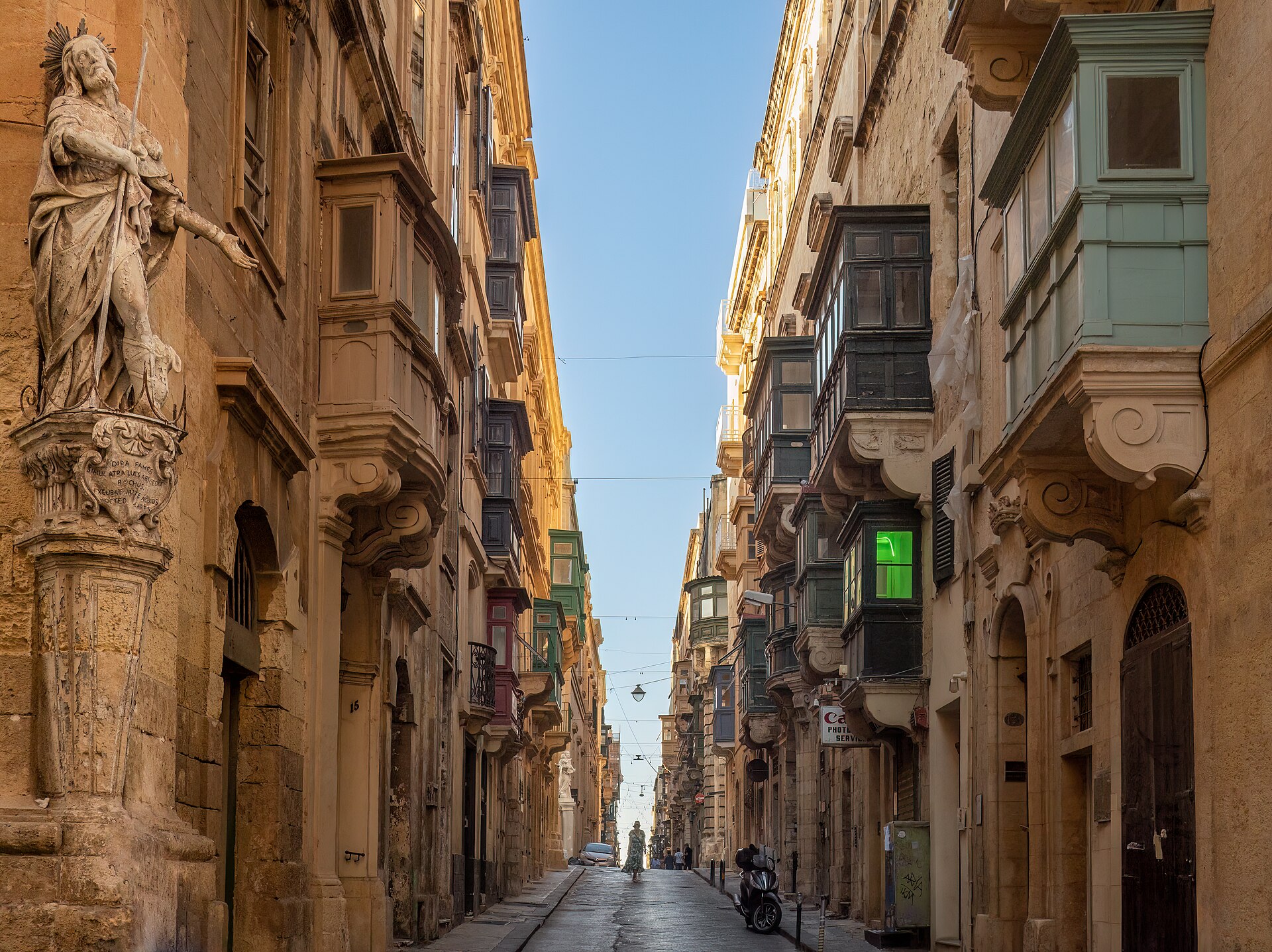
Travellers who dislike frequent moves should remove one transfer and spend the saved night in the strongest base. The itinerary will show less territory but often create a deeper sense of place. This is especially useful for families, photographers, travellers with mobility constraints, or anyone who values cafés, neighbourhood walks and unplanned time as much as formal sightseeing.
A slower week can also reduce cost because fewer transfer days mean fewer station taxis, baggage-storage fees and convenience purchases. More importantly, it makes it possible to see a city or town both during visitor hours and after the day-trip wave has disappeared.
A faster version of this Malta itinerary
If you prefer a faster pace, add only one extra destination and make sure it sits naturally on the route. Do not convert every open evening into another city. The most efficient expansion is usually a short stop between two existing bases or a half-day excursion from a place where you are already sleeping.
Keep at least one flexible block. A seven-day trip with no margin is vulnerable to a single late train, weather change or unexpectedly excellent museum. Speed is useful only when it increases variety without destroying the experience of being there.
Alternative places you can swap into the itinerary
The route above is not the only sensible week. Use the alternatives below when season, interests or transport make another combination stronger. Each swap should replace something rather than simply being added on top of an already full day.
Valletta
Valletta offers fortified streets, baroque architecture, museums and Grand Harbour views in Malta island. A compact capital where major historical sites can be balanced with waterfront walks and evening atmosphere. It works best as a replacement for a day with a similar geographic position or travel style, not as an extra detour that forces several hours of backtracking.
Mdina
Mdina offers a walled medieval city of limestone palaces, churches and narrow lanes in central Malta. One of malta’s most atmospheric historic places, especially early or after day-trip crowds leave. It works best as a replacement for a day with a similar geographic position or travel style, not as an extra detour that forces several hours of backtracking.
Three Cities
Three Cities offers Vittoriosa, Senglea and Cospicua with fortifications, marinas and deep Knights-era history in Grand Harbour. A harbour-side counterpoint to valletta that rewards walking and short ferry rides. It works best as a replacement for a day with a similar geographic position or travel style, not as an extra detour that forces several hours of backtracking.
Gozo
Gozo offers rural landscapes, villages, coastal cliffs, churches and a slower island pace in Gozo island. The best place to experience a quieter maltese rhythm over several nights. It works best as a replacement for a day with a similar geographic position or travel style, not as an extra detour that forces several hours of backtracking.
Ġgantija Temples
Ġgantija Temples offers extraordinarily ancient megalithic temples and UNESCO heritage in Gozo. A major prehistoric site whose scale becomes more impressive with even a little archaeological context. It works best as a replacement for a day with a similar geographic position or travel style, not as an extra detour that forces several hours of backtracking.
Ħaġar Qim and Mnajdra
Ħaġar Qim and Mnajdra offers megalithic temple complexes set above the Mediterranean in southern Malta. An essential stop for understanding malta’s prehistoric importance. It works best as a replacement for a day with a similar geographic position or travel style, not as an extra detour that forces several hours of backtracking.
Blue Grotto
Blue Grotto offers sea caves, clear water and dramatic limestone coast in southern Malta. A beautiful coastal experience whose quality depends strongly on sea and weather conditions. It works best as a replacement for a day with a similar geographic position or travel style, not as an extra detour that forces several hours of backtracking.
Marsaxlokk
Marsaxlokk offers a fishing-harbour setting, colourful boats and seafood restaurants in southeastern Malta. A pleasant coastal stop that is better when paired with nearby walks rather than treated only as a lunch destination. It works best as a replacement for a day with a similar geographic position or travel style, not as an extra detour that forces several hours of backtracking.
Dingli Cliffs
Dingli Cliffs offers high limestone cliffs, sea views and open countryside in western Malta. One of the island’s simplest and most rewarding sunset or walking varış yerleri. It works best as a replacement for a day with a similar geographic position or travel style, not as an extra detour that forces several hours of backtracking.
Comino and Blue Lagoon
Comino and Blue Lagoon offers intensely clear water, swimming and a tiny island landscape in between Malta and Gozo. A spectacular but heavily visited place where timing and responsible behaviour matter greatly. It works best as a replacement for a day with a similar geographic position or travel style, not as an extra detour that forces several hours of backtracking.
Mellieħa
Mellieħa offers beaches, a hilltop town and access to northern coastal walks in northern Malta. A practical base for travellers prioritising swimming and a slower pace. It works best as a replacement for a day with a similar geographic position or travel style, not as an extra detour that forces several hours of backtracking.
St Julian’s and Sliema
St Julian’s and Sliema offers waterfront promenades, dining, nightlife and easy transport connections in northeastern Malta. The islands’ most urban resort zone and a convenient base for visitors who value evening activity. It works best as a replacement for a day with a similar geographic position or travel style, not as an extra detour that forces several hours of backtracking.
Hypogeum of Ħal Saflieni
Hypogeum of Ħal Saflieni offers a remarkable prehistoric underground burial complex in Paola. One of malta’s most important archaeological sites and a place where advance booking is essential. It works best as a replacement for a day with a similar geographic position or travel style, not as an extra detour that forces several hours of backtracking.
St Paul’s Catacombs and Rabat
St Paul’s Catacombs and Rabat offers underground burial chambers, Roman-era remains and a traditional town atmosphere in central Malta. A strong historical complement to nearby mdina. It works best as a replacement for a day with a similar geographic position or travel style, not as an extra detour that forces several hours of backtracking.
Golden Bay and Għajn Tuffieħa
Golden Bay and Għajn Tuffieħa offers sandy beaches, coastal paths and sunset views in northwestern Malta. A scenic area where walking between bays adds far more than simply arriving for a swim. It works best as a replacement for a day with a similar geographic position or travel style, not as an extra detour that forces several hours of backtracking.
Common mistakes on a 7-day trip to Malta
The first mistake is overestimating how much useful sightseeing fits around a transfer. A two-hour train does not create only two hours of travel; you also check out, reach the station, orient yourself on arrival and settle into the next base. Treat moving days as lighter days.
The second mistake is booking every famous attraction at the earliest possible time without considering geography. Timed entries should follow the natural walking route through a city, not force repeated crossings.
The third mistake is assuming the most photographed place deserves the longest stay. Some icons are excellent half-day experiences, while less famous cities or landscapes improve dramatically with an evening and morning.
The fourth mistake is refusing to change the plan. Weather, fatigue and local recommendations are information. Adjusting the itinerary in response to them is good travel planning, not failure.
Responsible travel during one week in Malta
Seven-day itineraries can concentrate pressure on the same famous places, so small choices matter. Visit popular historic centres at quieter hours, keep residential lanes peaceful, follow photography and dress rules in sacred or memorial spaces, and use marked paths in fragile landscapes.
Spend beyond the headline attraction when practical: local cafés, independent restaurants, regional producers, guides and smaller museums help distribute visitor spending. Public transport can reduce parking pressure and is often part of the cultural experience itself.
Do not chase a photograph into unsafe or restricted areas. A viewpoint, cliff, beach, glacier, mountain path or roadside pullout can change conditions quickly. Follow local warnings and barriers even when social media images suggest other visitors ignored them.
Planning this Malta itinerary for families
Families usually enjoy the route more when each day contains one main cultural experience and one less formal activity. Parks, boat rides, short scenic walks, markets and interactive museums can balance palaces, churches and long historical visits.
Build snack and bathroom breaks into the route rather than treating them as interruptions. Choose accommodation that reduces late-evening transport, and be conservative about the final connection of the day.
If children are tired, remove the secondary attraction without guilt. The purpose of the itinerary is to create a good shared week, not to prove that every planned stop was completed.
Planning this Malta itinerary for couples and solo travellers
Couples can make the route more memorable by protecting slower evenings and choosing one or two atmospheric overnight stops rather than returning to a transport hub every night. Scenic walks, markets and regional meals often create stronger shared memories than another timed attraction.
Solo travellers can use walking tours, small-group excursions, classes or hostel/hotel common areas to add social contact while keeping the freedom to change plans. Evening transport and accommodation location deserve particular attention when arriving in an unfamiliar city after dark.
Both couples and solo travellers benefit from leaving one half-day partially unscheduled. That space is where recommendations from people met during the trip can actually influence the journey.
What to book sen gelmeden önce in Malta
Book the things that can genuinely sell out or become expensive: high-demand accommodation, famous timed-entry attractions, major performances, specialist outdoor excursions and some long-distance transport. Do not reserve ordinary cafés, local walks and every museum simply because online booking exists.
A good rule is to create one fixed anchor per day at most. Everything else should fit around that anchor. This keeps the itinerary structured without turning the holiday into a chain of appointments.
Save confirmations offline and check cancellation terms. Flexible bookings can be worth a small price difference when weather or transport has the power to reshape the route.
Final checklist before your 7-day Malta trip
Confirm passport and entry requirements from official government or consular sources, because they depend on nationality and can change. Recheck intercity transport, the first night's accommodation, and any critical timed entries. Download offline maps and store important confirmations where they remain accessible without mobile data.
Check the forecast for every region in the route, not just the arrival city. Pack medication and essential documents in hand luggage. Make sure travel insurance covers the activities you actually plan to do.
Most importantly, decide in advance which parts of the itinerary are optional. When the trip becomes busy, knowing what you are happy to skip prevents stress and protects the experiences you care about most.
Frequently asked questions about spending 7 days in Malta
Is 7 days enough for Malta?
Seven days is enough for a strong first route through selected parts of Malta, but not for the entire country. The itinerary works by choosing a coherent sequence and accepting that several excellent regions belong on a future trip.
How many hotels should I use in one week?
Usually two to four bases are enough. Fewer bases create a slower trip; more bases can work when transport is exceptionally easy, but every additional check-in reduces usable time.
Should I rent a car?
Only if the specific route benefits from it. Major cities and rail corridors are often easier without a car, while rural landscapes and dispersed attractions can justify one for part of the trip. A mixed strategy is often better than keeping a car for all seven days.
How much should I reserve in advance?
Reserve the limited-capacity experiences that matter most and keep ordinary sightseeing flexible. One fixed anchor per day is usually enough for a well-structured trip.
Can I follow this itinerary in reverse?
In many cases, yes. Reverse the route when flight prices, rail availability or accommodation make the opposite direction more efficient. Recheck any day that depends on a particular seasonal service.
What should I do if the weather changes?
Swap indoor and outdoor days when geography allows. Protect the best forecast for the landscape or outdoor experience you care about most, and move museums or urban exploration into poor weather.
What if I want more nightlife?
Choose accommodation in the major urban bases and reduce the earliest starts after late evenings. Do not plan a long transfer and a major morning reservation after a night you expect to finish very late.
What if I prefer nature to cities?
Replace one urban day with one of the landscape alternatives listed above and extend an outdoor base by a night. Keep enough transport margin for weather-dependent regions.
What if I prefer museums and history?
Keep the major city bases longer, choose one or two important museums per day, and remove a landscape detour rather than squeezing cultural visits into transfer days.
Sources and further reading
Use official sources for details that change, especially transport, protected-area access, seasonal operations, entry rules and timed tickets. The links below are starting points for verification and deeper planning.
- Visit Malta
- UNESCO World Heritage — Malta
- European Union country profile
- National Statistics Office Malta
- UNESCO — Malta
- Heritage Malta
- University of Malta
- Malta International Airport Weather
- National Archives of Malta
- Valletta Cultural Agency
Continue exploring Malta on Videuro
Use the complete Malta travel guide for broader country context and the Best Places to Visit in Malta guide when you want to compare more varış yerleri before changing this seven-day route. Together, the three articles form the core Videuro country series for Malta.